Synths, Singles, and Studio Firsts of 90s Pop





Quiz Complete!
Synths, Singles, and Studio Firsts: How 90s Pop Learned to Sound Like the Future
Pop music in the 1990s was built as much in studios and on computers as it was on stages. The decade began with an industry still centered on albums, radio, and physical formats, but it quickly became a laboratory for new tools and new business models. The result was a sound that could be bigger, tighter, and more danceable than ever, and a hit-making process that started to resemble modern pop production.
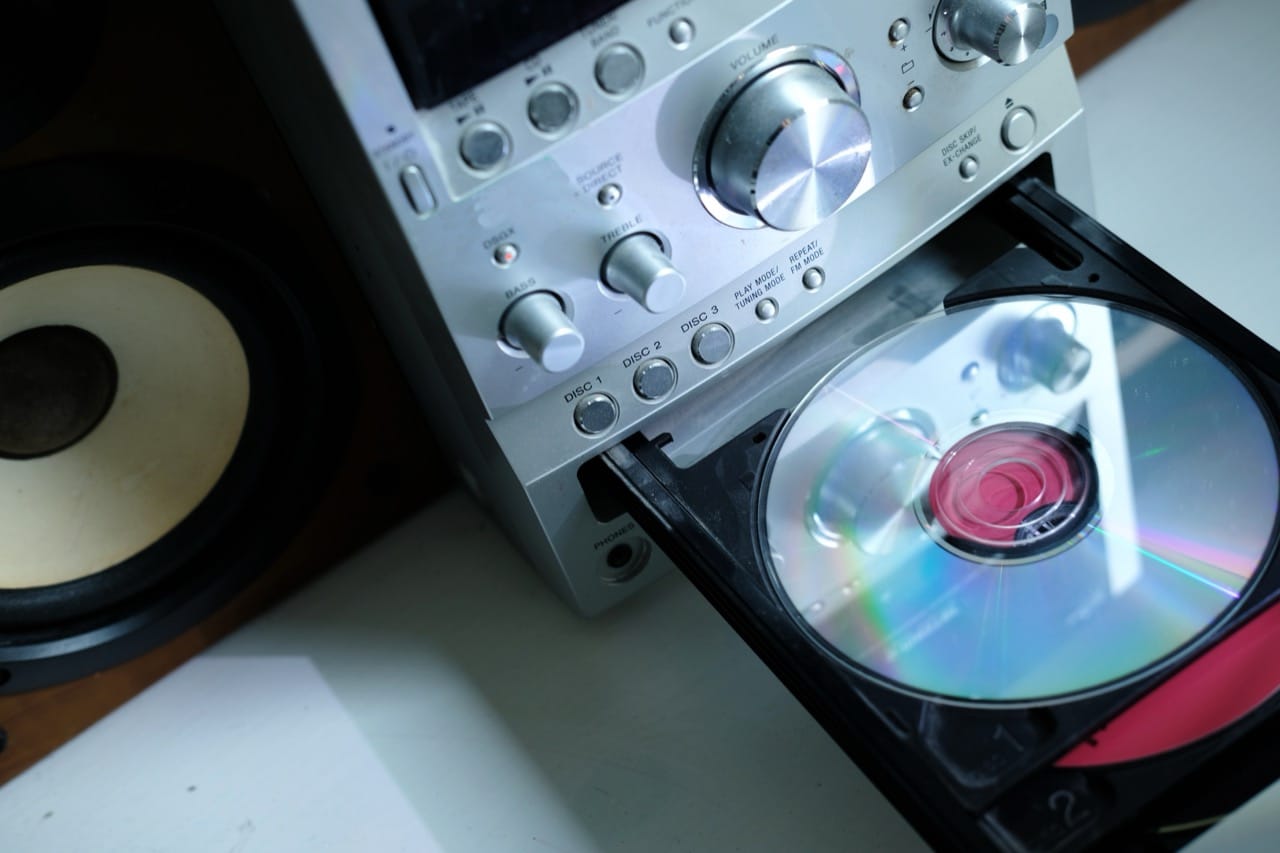
One of the most important shifts was the rise of the CD single. Compared with vinyl and cassette singles, CDs could hold multiple versions of a song, making the “single” feel like a mini release. Labels leaned into this by adding radio edits, extended club mixes, instrumental versions, and bonus tracks. That packaging helped normalize the idea that a song could have many official forms, and it gave producers and remixers a mainstream platform. In the 90s, a well-timed remix could do more than extend a song’s life; it could redefine it. Dance remixes moved between clubs and radio, and some artists found new audiences when a track was rebuilt with a different beat, tempo, or feature.
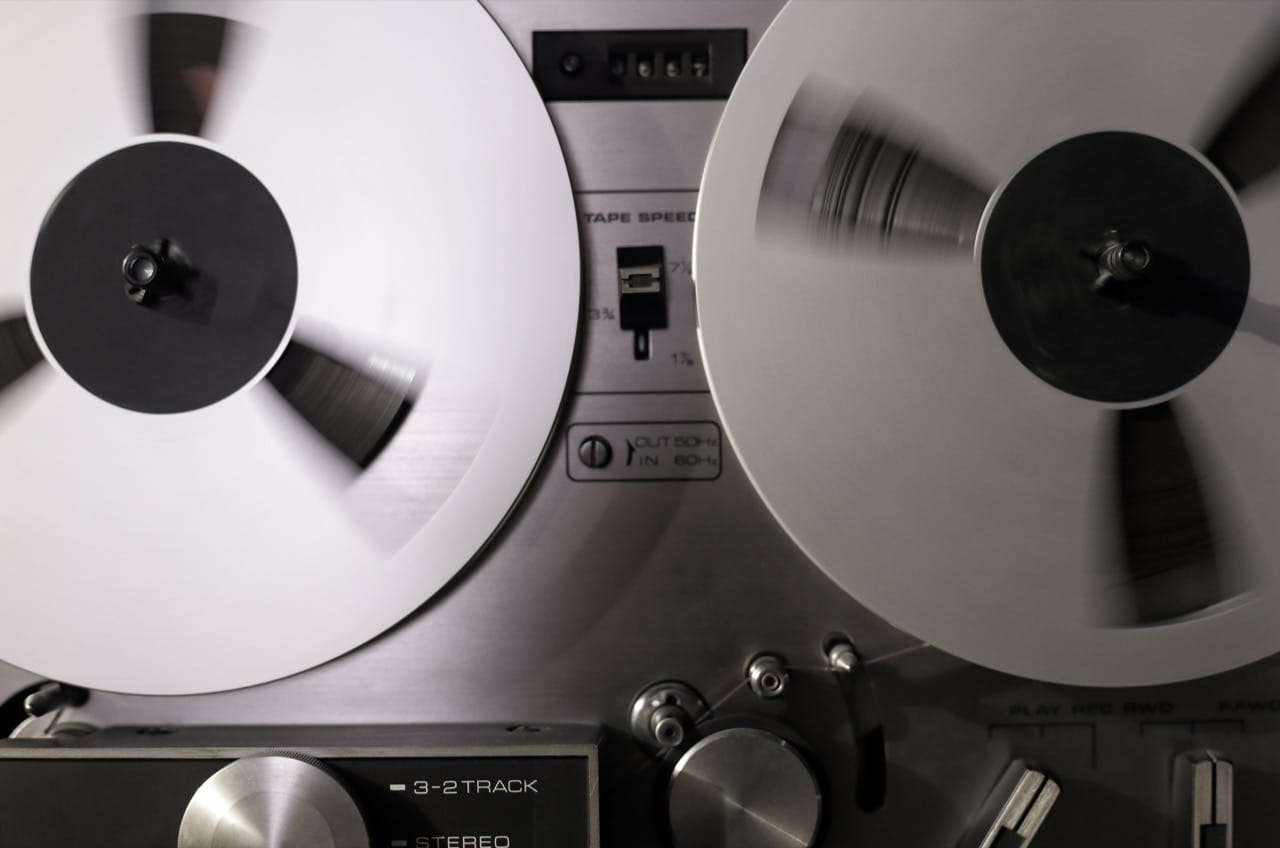
Behind the scenes, recording technology was changing just as fast. Digital recording and editing spread through professional studios, gradually replacing or supplementing analog tape. Digital audio workstations made it easier to cut, copy, and rearrange performances with precision. Instead of recording full takes until everything was perfect, producers could assemble the perfect take from many pieces. This encouraged tightly layered vocals, punchy drums, and arrangements that could be revised late in the process. It also helped fuel the polished sound of teen pop and contemporary R&B, where stacked harmonies and meticulously timed backing vocals became part of the signature.
Sampling and loop-based production also became central to the decade’s texture. While sampling had already reshaped hip-hop, 90s pop absorbed the technique into the mainstream. Producers lifted drum breaks, orchestral hits, and recognizable hooks, then chopped and recontextualized them into something new. The legal and creative stakes rose when a sample was obvious, but the payoff could be huge: familiarity plus novelty in the same three minutes. Even when producers avoided direct samples, they often worked with sample libraries and drum machine sounds that became widely shared sonic building blocks across genres.
No 90s studio innovation is more famous than Auto-Tune. Introduced near the end of the decade, it was designed as a subtle pitch-correction tool, but it quickly became a creative effect when pushed hard. The robotic, sliding vocal sound signaled a new era: the studio could be an instrument, not just a place to capture a performance. Even before Auto-Tune became a household term, producers used other pitch and timing tricks, plus heavy compression and EQ, to make vocals sit perfectly in dense mixes.
The decade also planted the seeds for how music would be distributed and discovered. Early MP3 players hinted that songs could live on devices rather than shelves. Then file sharing arrived, and Napster’s late-90s explosion made the industry confront a future where access could matter more than ownership. That shift didn’t just change business; it changed listening habits, pushing songs and singles to the center of attention.
Taken together, these studio firsts and format revolutions explain why 90s pop still feels like a turning point. It was the moment when the tools of production, the culture of remixing, and the first waves of digital distribution began steering pop toward the modern world.