Velvet Vocals 90s R and B Recall



Quiz Complete!
Velvet Vocals and Big Hooks: Remembering 90s R and B
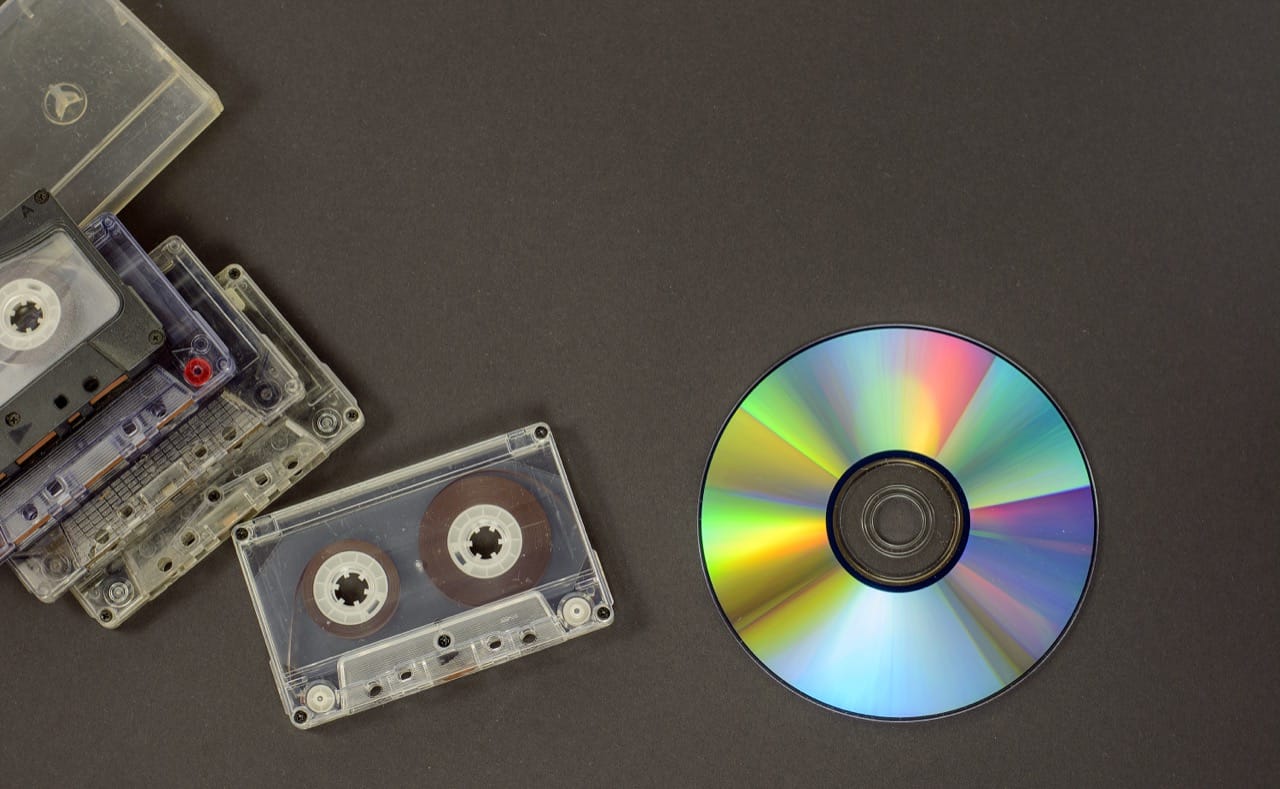
In the 1990s, R and B became the sound of everyday life, drifting out of car stereos, mall speakers, and late-night radio dedications. The decade balanced silky romance with club-ready energy, and it did so with a level of vocal star power that still feels unmatched. Big belting choruses and whispery verses often lived in the same song, and producers learned how to make drums hit hard without crowding the melody. If you remember rewinding a cassette to catch a run, or flipping open a CD booklet to see who wrote that bridge, you already know how much the details mattered.
A major reason the era feels so distinct is how quickly R and B absorbed new technology and new regional sounds. New jack swing, which rose at the turn of the decade, fused R and B vocals with hip-hop’s punch and dance-floor urgency, helping artists cross over to pop audiences. As the 90s moved on, the sound grew sleeker and moodier. Producers began using crisp drum machines, layered synth pads, and sampled grooves that left plenty of space for voices to glide. By the late 90s, the approach often felt futuristic, with stuttering rhythms, digital textures, and intricate vocal stacking that made headphones a new kind of front-row seat.
The decade also turned collaborations into events. A featured rap verse became a common way to add edge or momentum, and it created memorable pairings that helped both sides reach wider audiences. It was also an era when remixes could rival, or even eclipse, the original version. Labels and radio teams understood that a well-timed remix could refresh a single for clubs, urban radio, and pop stations all at once. Listening closely to these versions is part of the fun: different ad-libs, alternate verses, subtle changes in the drum pattern, and sometimes an entirely new emotional tone.
Behind the scenes, a handful of label powerhouses and producer circles shaped the decade’s identity. Songwriting camps and tight-knit studio teams could craft a recognizable sound across multiple artists, from tender ballads to danceable mid-tempo hits. This was the golden age of the liner note deep dive, where fans learned to spot recurring names and connect them to a signature style. It also helped build long careers for writers and producers who weren’t always onstage but were essential to the era’s sound.
Culturally, 90s R and B was not just music but a whole aesthetic. Music videos turned songs into fashion statements, with coordinated outfits, sleek choreography, and cinematic storytelling that made MTV countdowns feel like a nightly premiere. Movie soundtracks amplified the impact, placing love songs and slow jams into scenes that became permanent memory triggers. School dances, roller rinks, and house parties all had their own unofficial set lists, and certain tracks could instantly shift a room from casual conversation to sing-along devotion.
What keeps the decade so replayable is the emotional clarity. Even when production trends changed, the core themes stayed relatable: longing, confidence, heartbreak, and the thrill of new romance. Many of today’s artists borrow the same ingredients, from stacked harmonies to diary-like lyrics, and streaming has made it easy for new listeners to discover deep cuts alongside the biggest hits. A quiz about 90s R and B is really a quiz about listening closely, remembering who collaborated with whom, and recognizing the moments when a single hook could define an entire season of your life.