Beige Boxes and Dial Up Brain Teasers


Quiz Complete!
Life Inside the Beige Box: Weird and Wonderful Facts from 1990s Home Computing
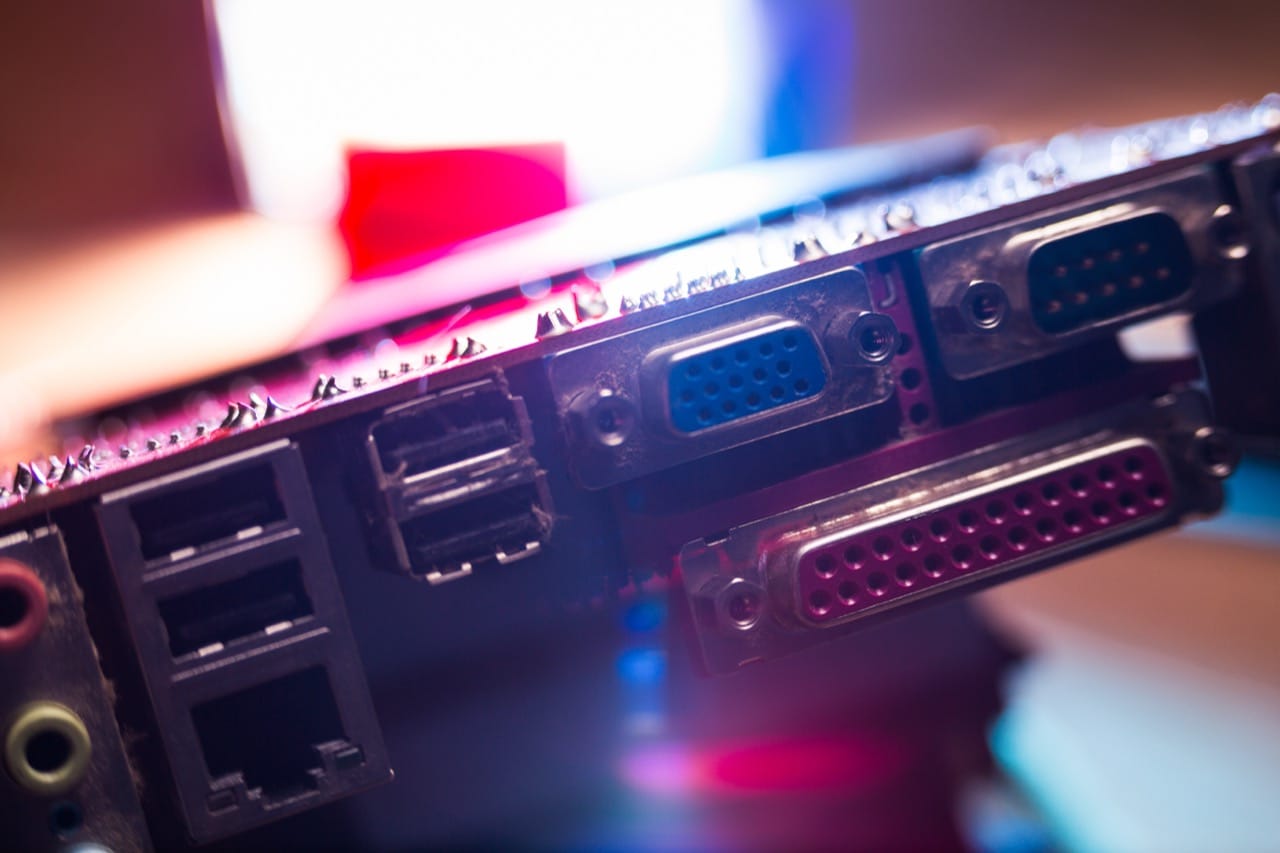
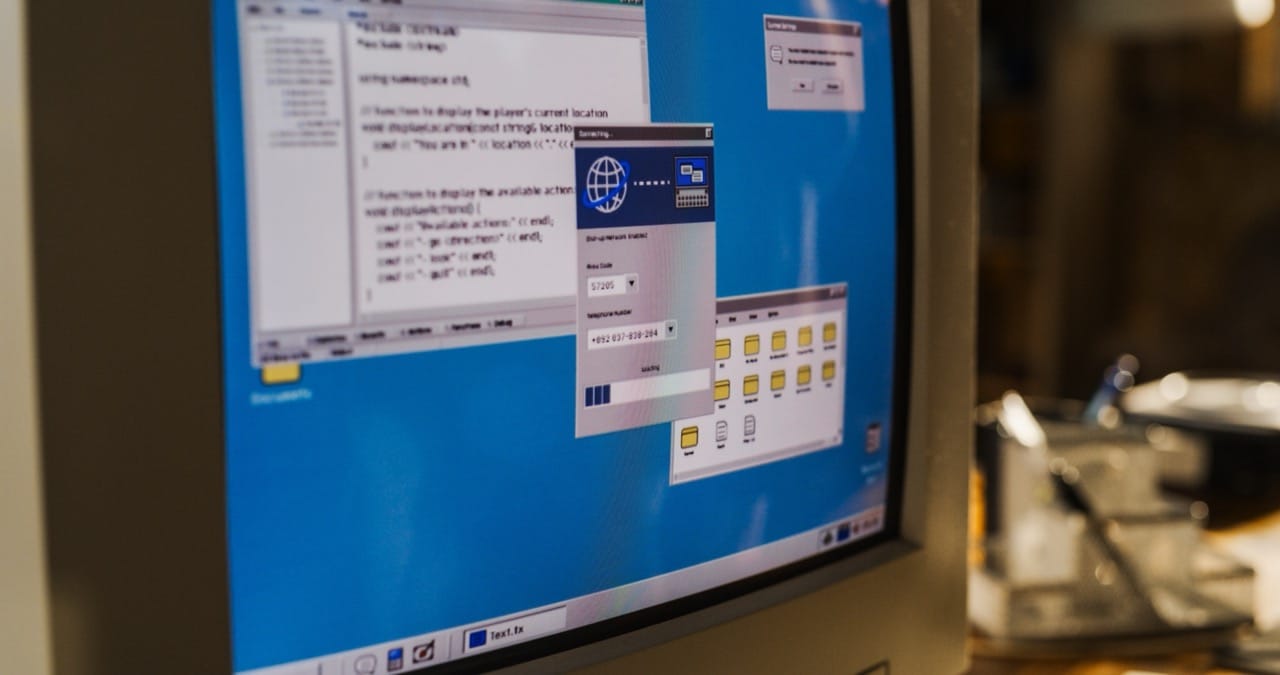
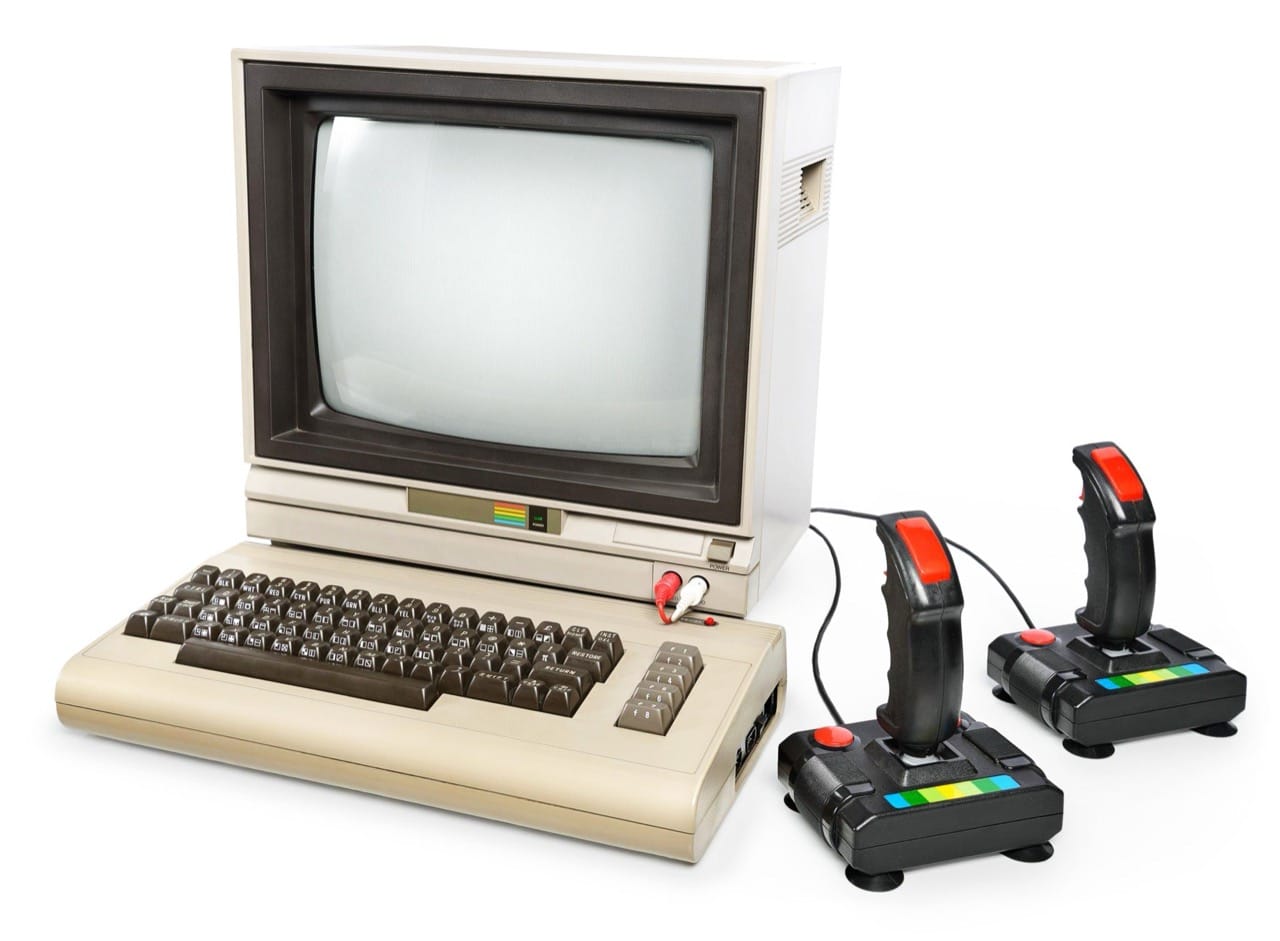
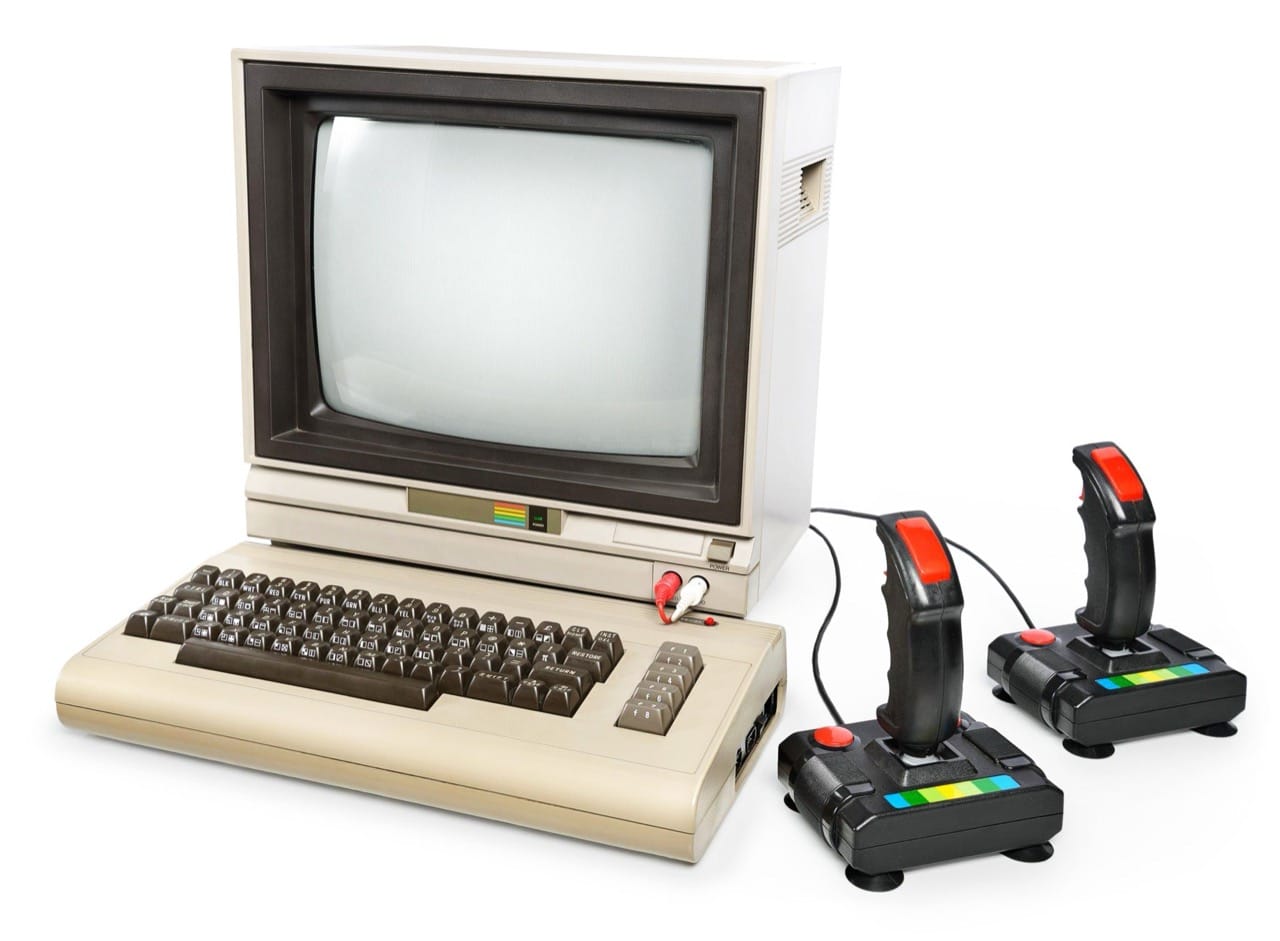
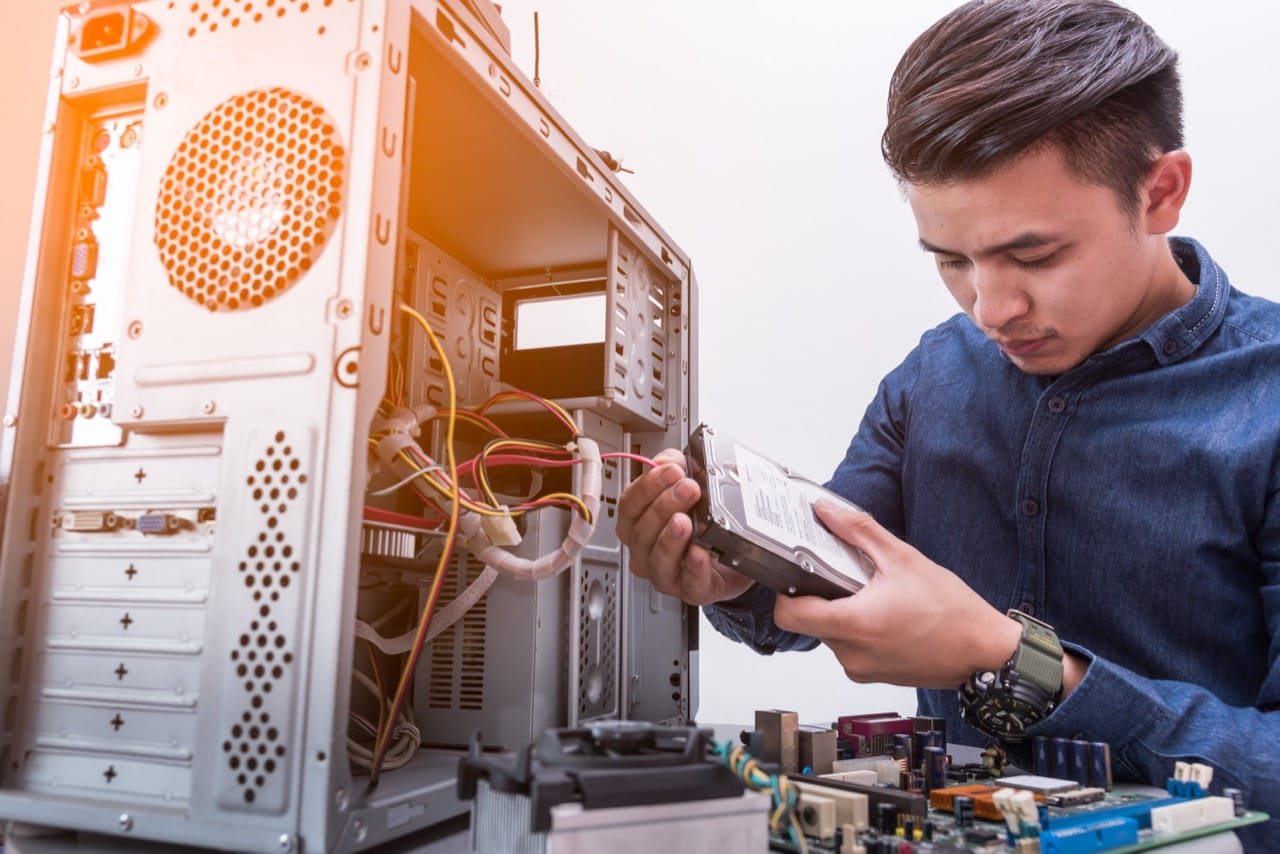
In the 1990s, the home computer was often a beige plastic tower that felt more like an appliance than a sleek gadget. It sat under a desk, collected dust, and somehow became the center of homework, games, and a brand new kind of curiosity: the internet. Booting up was a ritual. You listened to the hard drive chatter, watched a logo appear, and hoped nothing would complain about missing files. Even the desktop could feel like a puzzle, filled with icons whose purpose wasn’t always clear, especially when a family computer accumulated years of shortcuts, toolbars, and mystery utilities.
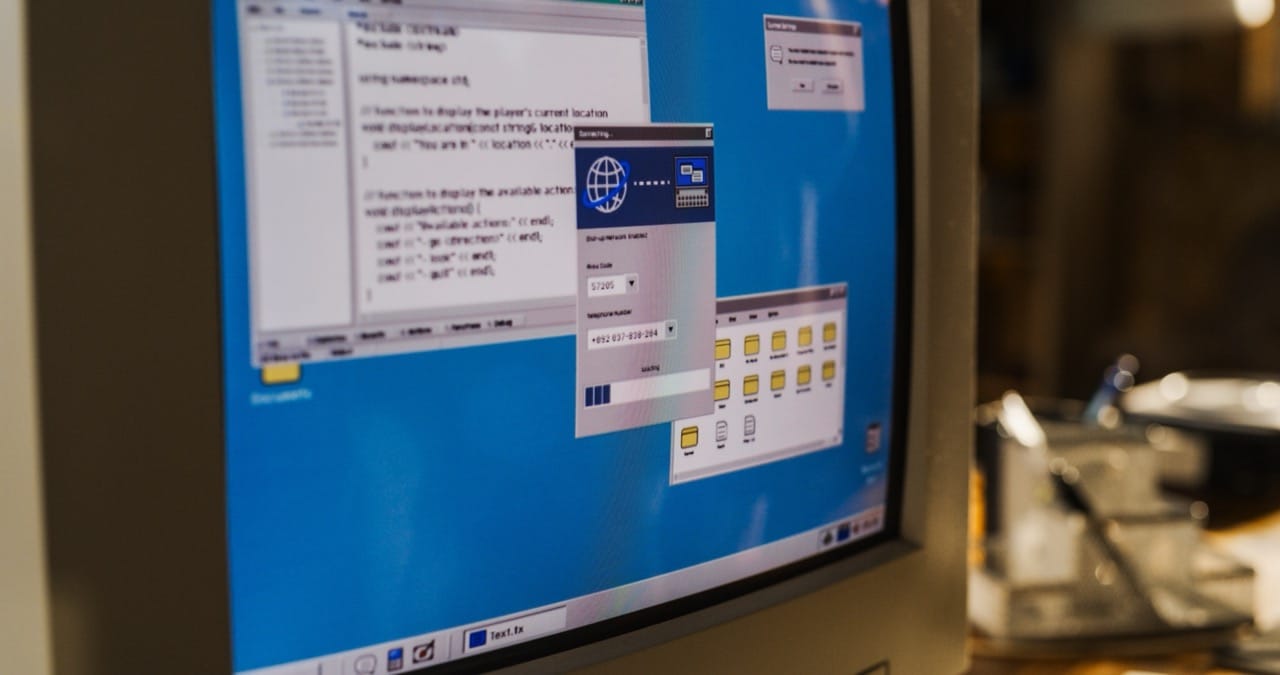
Before broadband, getting online was an event with sound effects. Dial up modems didn’t just connect quietly; they negotiated with the phone line using a sequence of chirps and screeches called a handshake. That noise was real data being exchanged as the modem agreed on a speed and error correction. It also meant the household phone line was tied up, leading to the classic moment when someone picked up the receiver and instantly kicked you offline. Speeds like 14.4, 28.8, and 56 kilobits per second were milestones, but even at the high end, downloading a single song could take a long time.
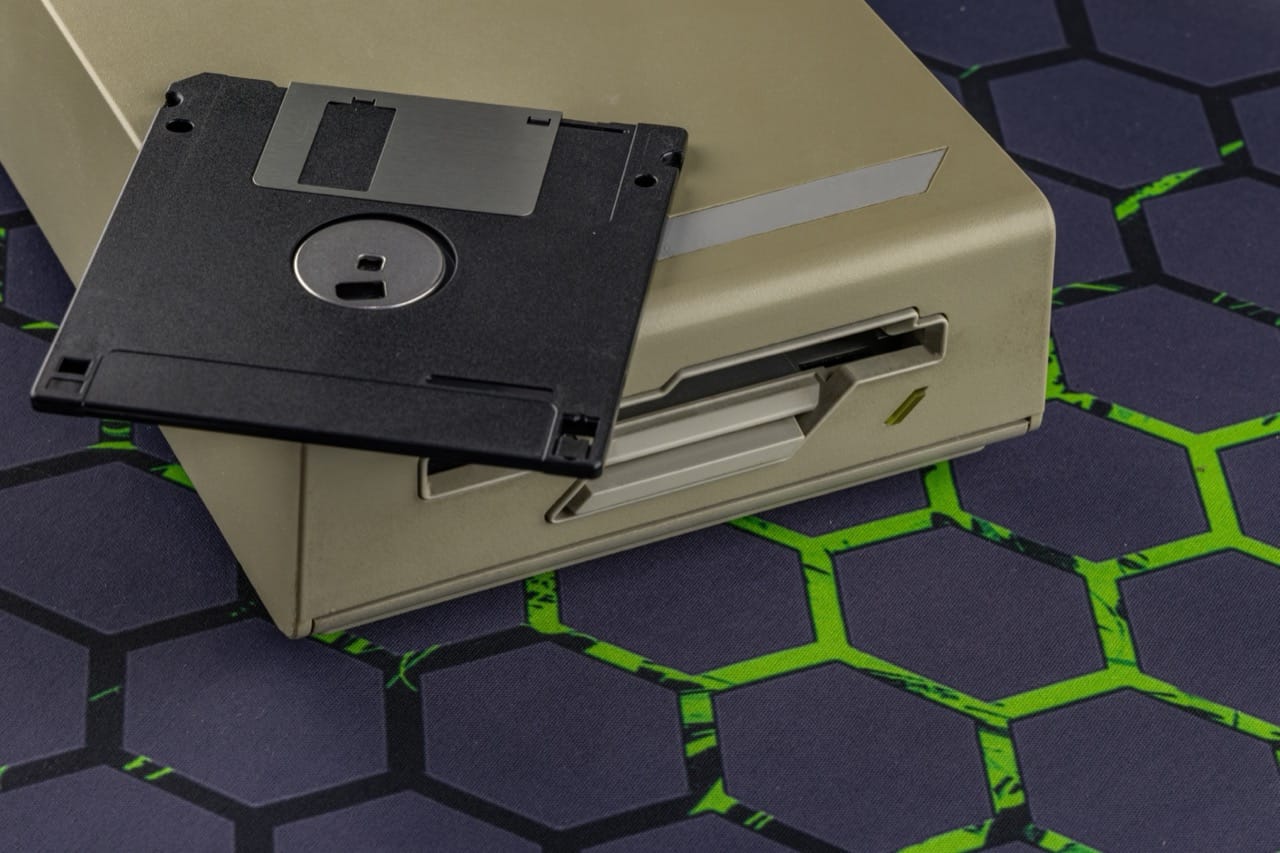
Saving work had its own drama. Floppy disks were the everyday portable storage, first the bendy 5.25 inch kind and later the sturdier 3.5 inch disks with their satisfying metal shutter. They held shockingly little: the common 3.5 inch high density disk stored 1.44 megabytes, which is barely enough for a single photo today. People learned the hard way that floppies could fail, magnets were enemies, and a disk could become unreadable right before a deadline. As files grew, many households graduated to Zip drives, which felt magical with 100 megabytes per disk, until the infamous click of death made some users fear for their data.
Software often arrived as a physical stack. Big games and productivity suites could require multiple disks, and installation was a test of patience and luck. One scratched disk could ruin everything, sometimes after you’d watched a progress bar crawl to 98 percent. CD ROMs improved the situation by holding hundreds of megabytes, but early CD drives could be picky, and the idea of needing to keep the disc in the drive to play a game became normal.
The operating system wars were part of everyday culture. Windows 95 turned the Start menu and taskbar into icons of the era, while Windows 98 tried to smooth out hardware support and internet integration. On the other side, Macintosh computers offered a different philosophy, with a strong focus on consistent interface design and creative software. Meanwhile, the invisible layer underneath mattered too: DOS commands, device drivers, and IRQ conflicts were common vocabulary for anyone who installed a sound card or tried to make a new printer behave.
The early web felt like exploring a library that was still being built. Search engines competed fiercely, and many people started with directories curated by humans rather than algorithms. Browser rivalries shaped how pages looked, and some sites worked in one browser but broke in another. Email became mainstream, instant messaging took off, and chat rooms created new social spaces with their own etiquette and risks.
Then came MP3s, a format that made music portable in a new way by compressing audio into small files. This helped fuel the rise of digital music players and file sharing, and it changed what people expected from computers: not just tools for documents and games, but hubs for media. Looking back, the quirks of 1990s computing are more than nostalgia. They explain why certain habits formed, why tech support became a family role, and why the sound of a modem can still trigger a vivid memory of the moment the future arrived, one noisy connection at a time.