Mouse Trails and Modem Myths of the 90s


Quiz Complete!
Mouse Trails and Modem Myths of the 90s: How Everyday PC Moments Shaped the Modern Web

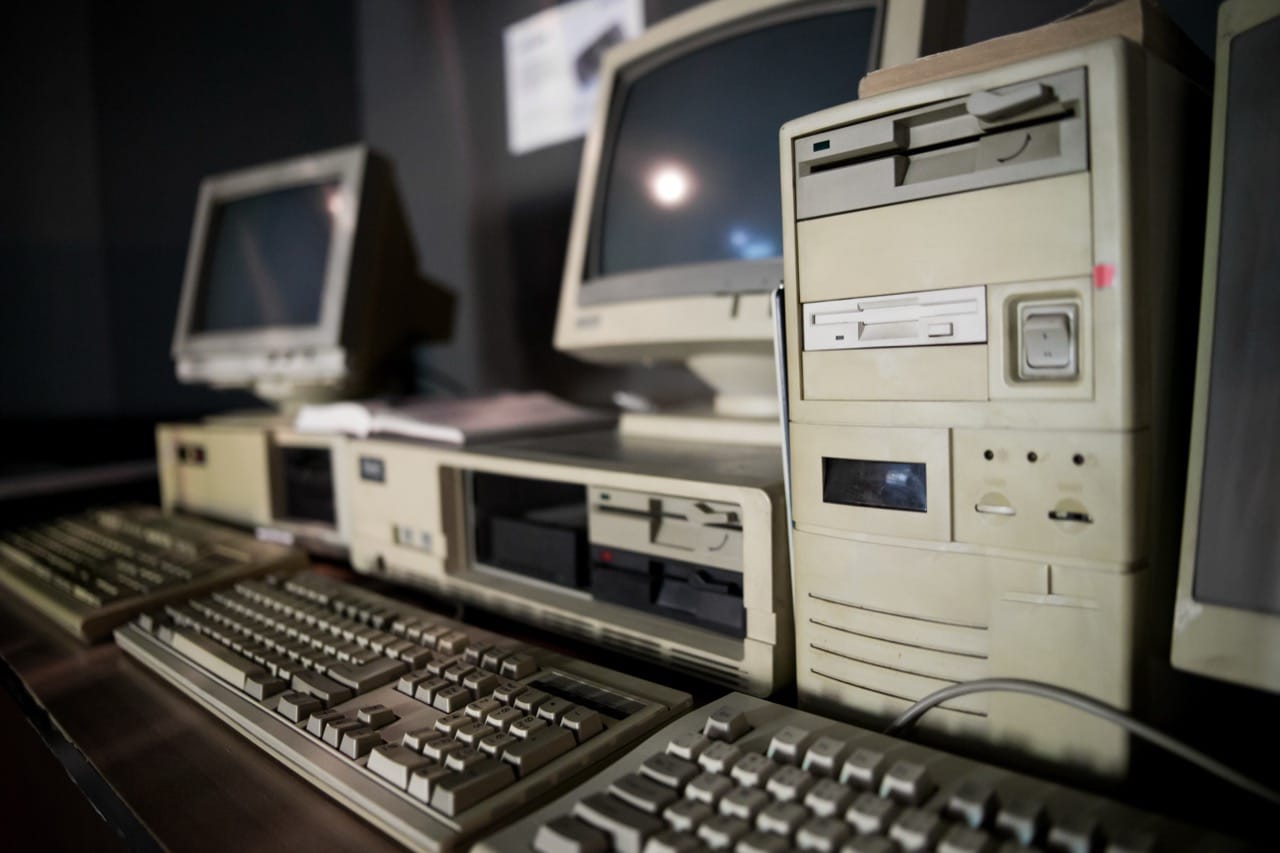
The 1990s were the decade when personal computing stopped feeling like a hobby for specialists and started becoming everyday life. A lot of that shift came from small, almost silly details that people still remember: the way mouse pointers left trails across the screen, the hypnotic glow of a screen saver bouncing in a dark room, and the unmistakable screech of a dial up modem negotiating its way onto the internet. Those details were not just nostalgia. They were clues that computers were becoming more visual, more connected, and more central to how people worked and played.
On the desktop, operating systems and office software formed a kind of partnership that defined how millions learned to use computers. Windows 95 made the Start button and taskbar feel like common sense, and it pushed the idea that a PC was a place where you could do many things at once, even if multitasking still felt like a magic trick. At the same time, office suites turned into the default toolkit for school and work. Word processors, spreadsheets, and presentation tools standardized how documents looked and how information was shared. File formats became a quiet kind of power. If your classmates or coworkers used one suite, you probably did too, because compatibility mattered more than features.
Visual flair was everywhere, and it often doubled as a performance test. Screen savers were originally practical, meant to prevent burn in on older monitors, but they became personality statements. The flying toasters, 3D pipes, and endless starfields were early examples of software that existed mostly to delight. They also hinted at the growing importance of graphics acceleration. As games moved from simple sprites to richer 3D worlds, graphics cards became the upgrade everyone talked about. In the 90s, a new GPU could change what games you could run, how smooth they felt, and whether you could turn on the fancy effects that screenshots were suddenly showing off. The rise of dedicated 3D accelerators helped shape modern gaming culture, where hardware specs are part of the conversation.
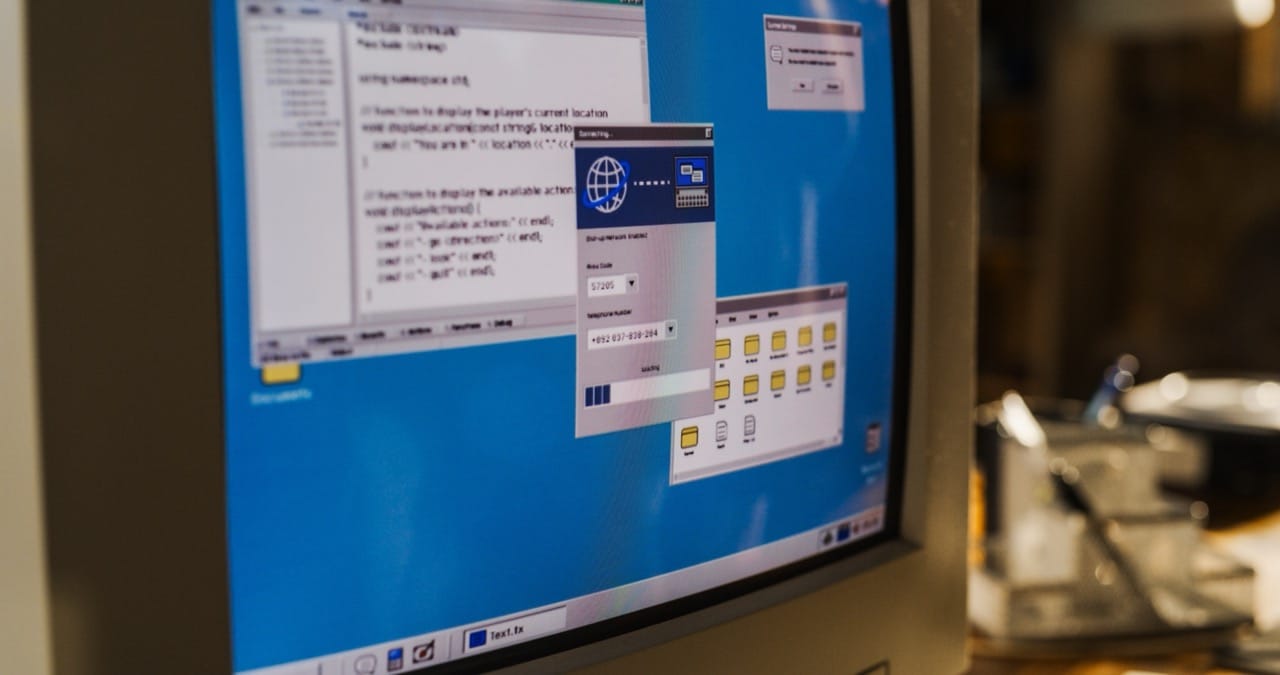
If there is one sound that sums up the decade, it is dial up. Getting online was a ritual: tying up the phone line, waiting for the handshake, and hoping nobody picked up the receiver. That limitation shaped behavior. People wrote emails offline and then connected briefly to send them. Web pages were designed to load fast, which is why simple layouts and tiny images were common. Even so, early online life felt huge. Chat rooms, message boards, and instant messaging gave people new identities and new communities. The famous You have got mail moment was not just marketing. It captured the thrill of receiving something from the wider world through a home computer.
The web itself could change overnight because of a single browser release. In the 90s, browsers were not just windows into the internet. They were platforms that decided which features became normal. When one browser gained dominance, web designers built for it first, and that influenced everything from page layout to scripting. Some of the messy rules of today, including compatibility quirks and the need for standards, grew out of that era of rapid competition.
The decade also taught people to live with software distribution in transition. Shareware let you try programs before paying, often spreading through bulletin boards, magazine cover disks, or a friend with a stack of floppies. CD ROM encyclopedias promised the world in a shiny disc, and for a while they were the most impressive reference tools a household could own. Those discs, along with early multimedia games, made computers feel like entertainment machines, not just work tools.
Looking back, the 90s were full of myths and misunderstandings, like the idea that more RAM always solved everything or that the internet was a passing fad. But the real story is how quickly ordinary habits formed around new technology. Mouse trails, screen savers, dial up tones, and browser battles were not side notes. They were the texture of a decade that quietly built the expectations we still carry every time we connect, click, play, and share.