Silicon Superlatives The 1990s Record Book Lightning Round

Quiz Complete!
Silicon Superlatives: The 1990s Record Book of Computing
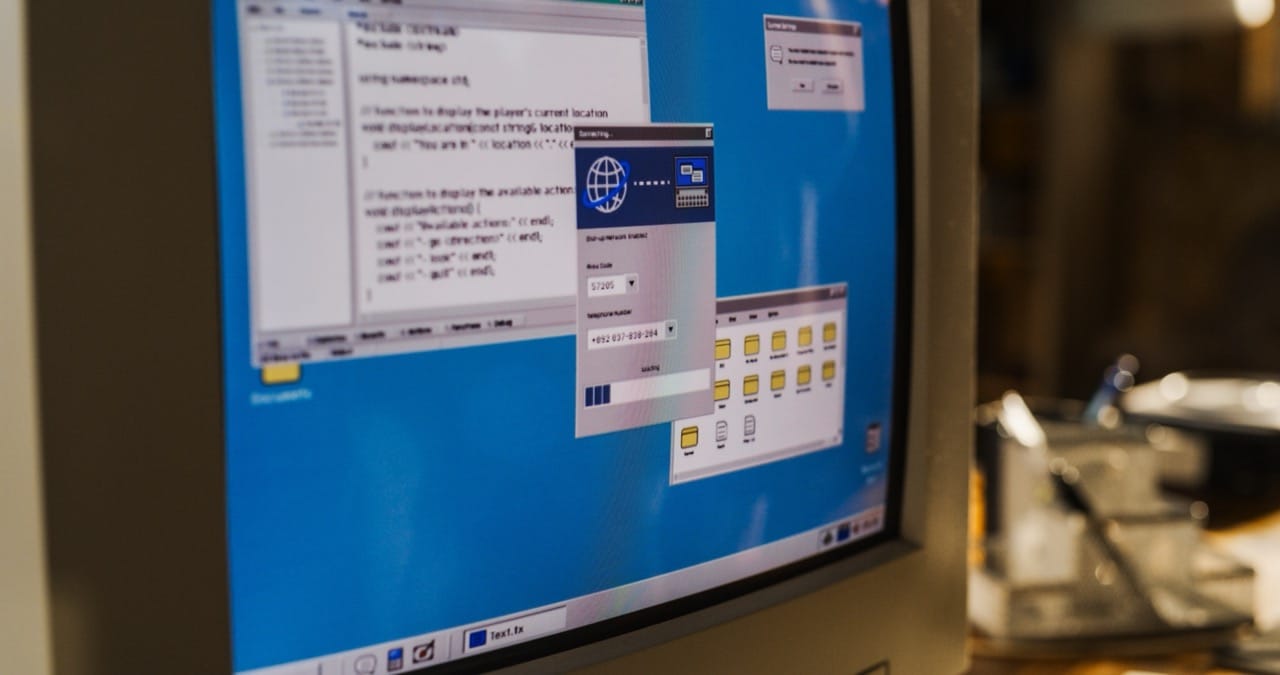
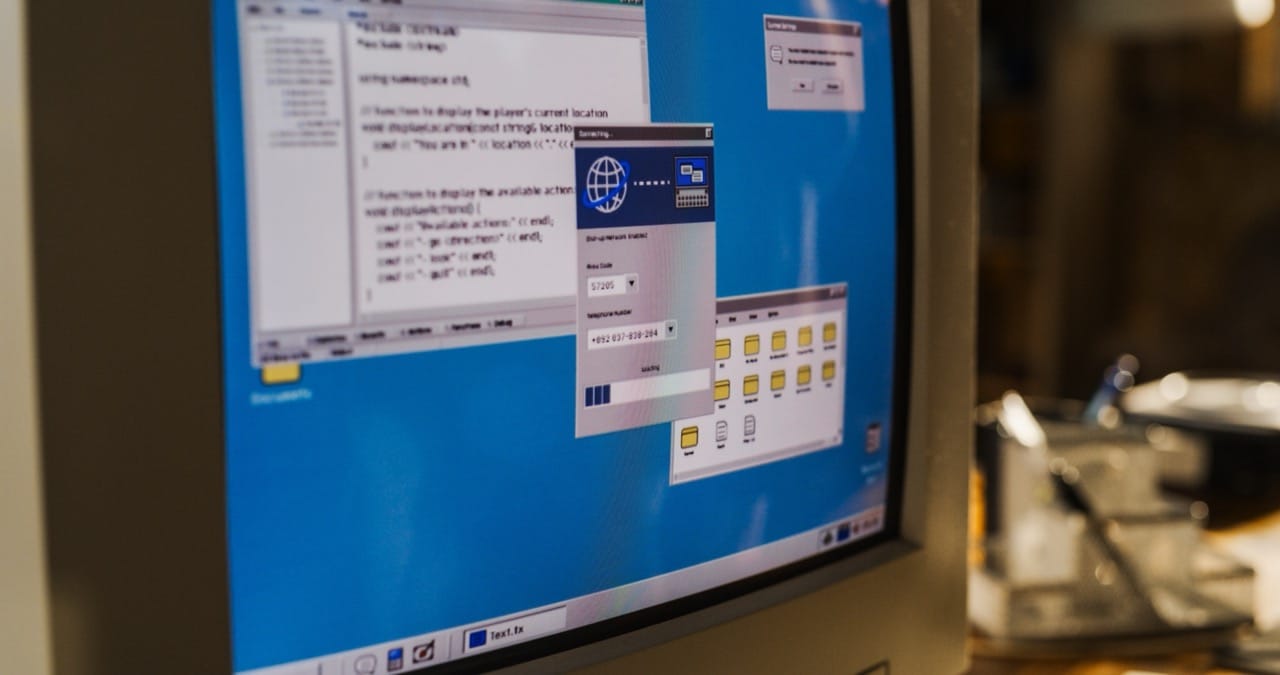
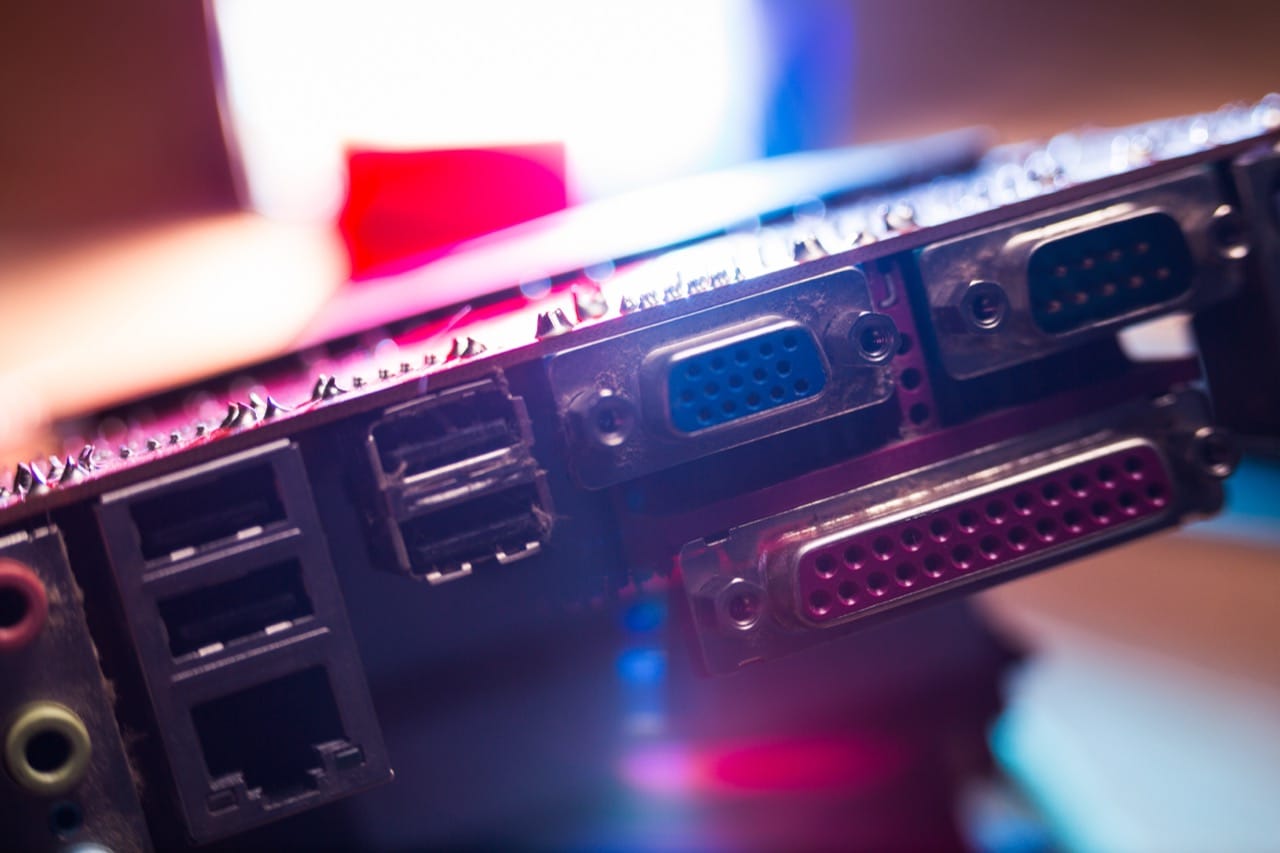
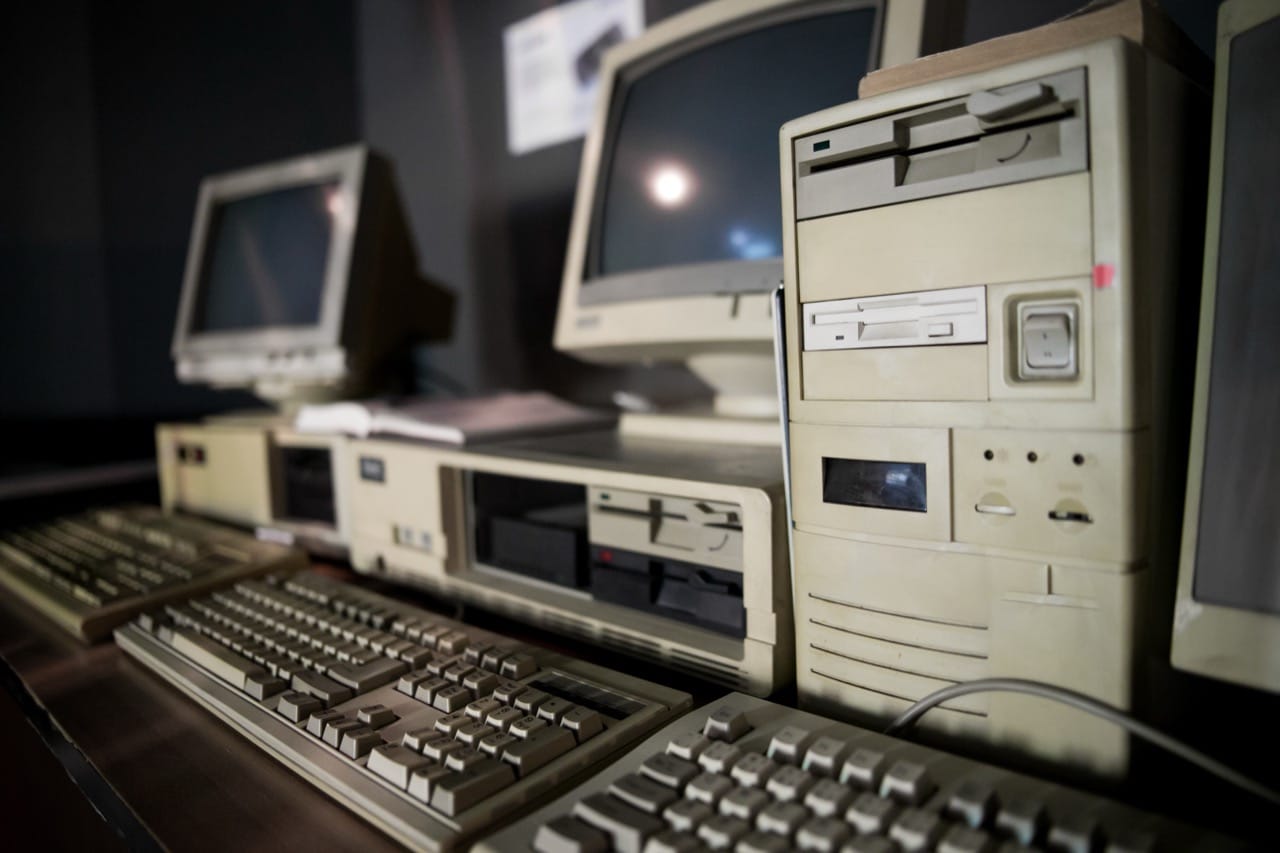
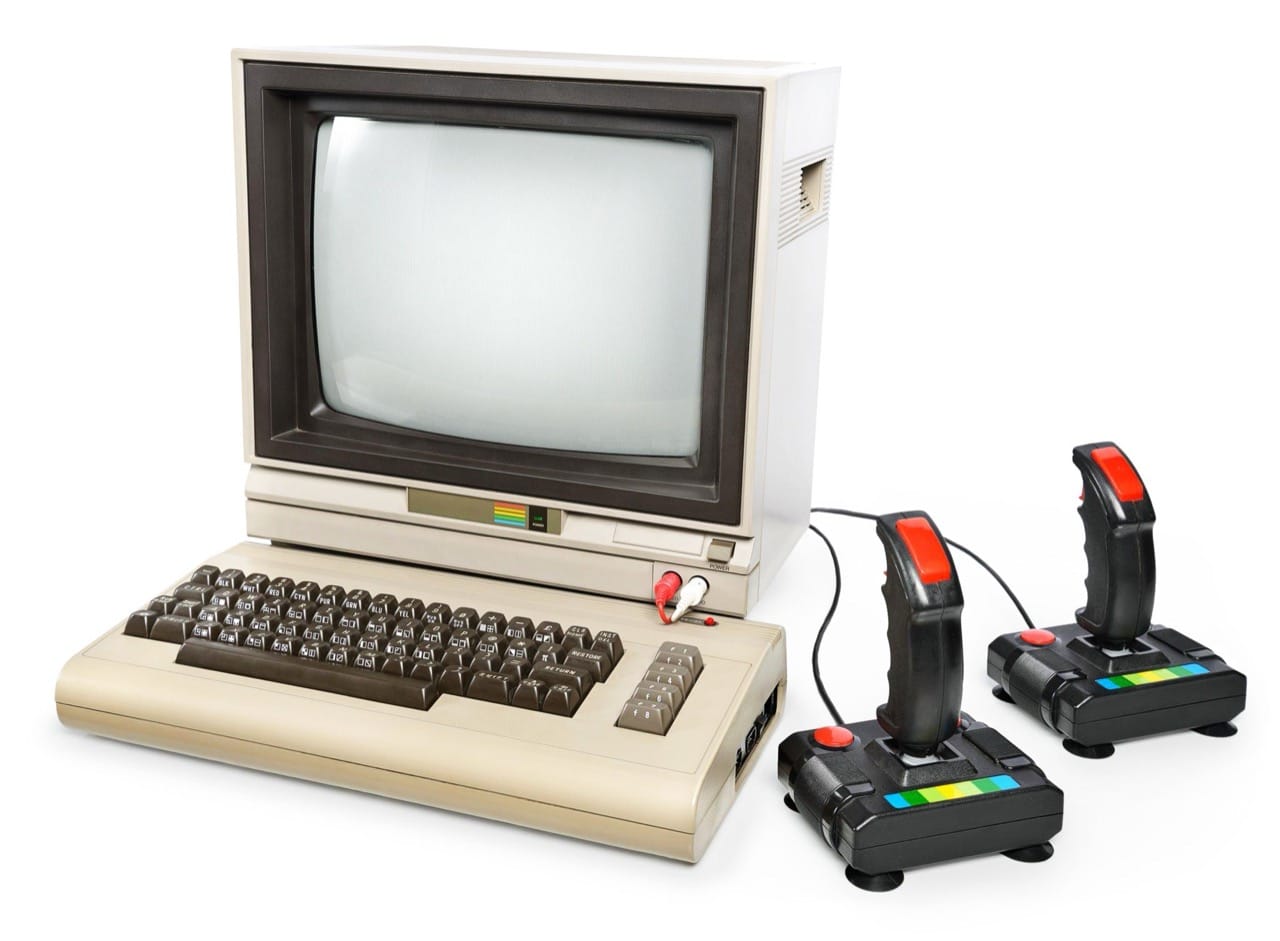
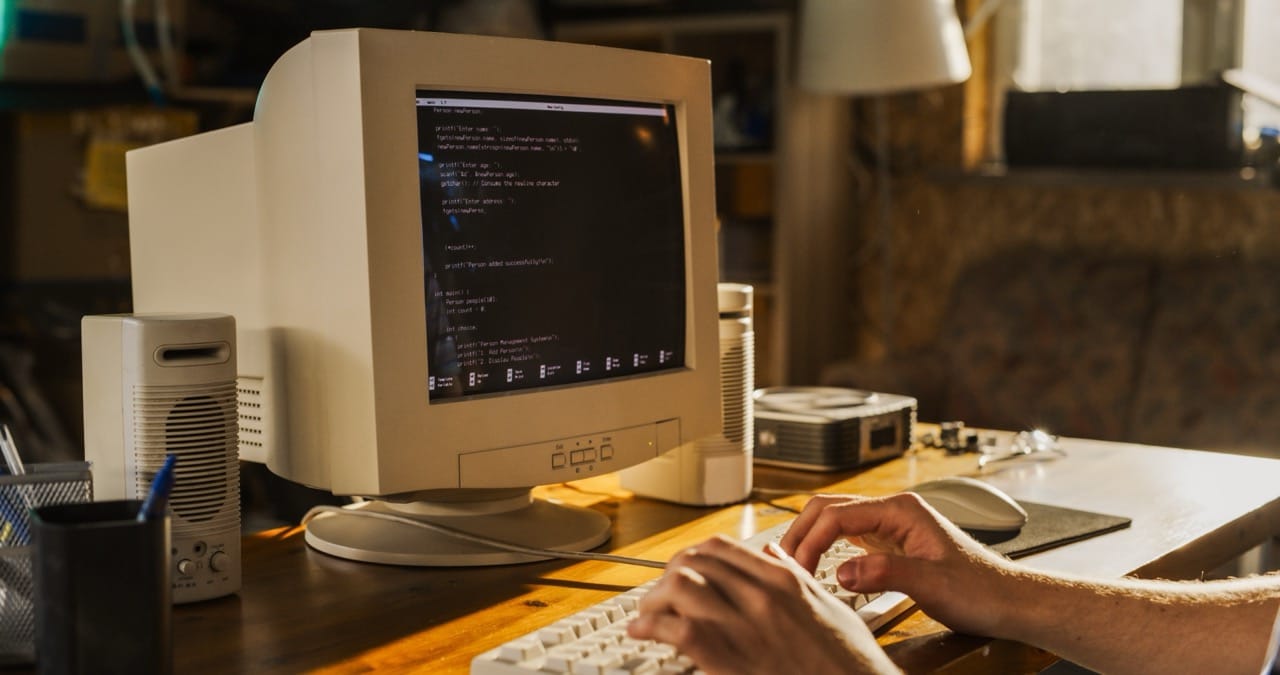
The 1990s compressed decades of computing change into ten restless years, and much of the fun is remembering how quickly yesterday’s miracle became today’s baseline. Early in the decade, plenty of people still saved schoolwork to floppy disks, waited for dot matrix printers, and memorized the sounds of dial up modems negotiating a connection. By the end, home PCs routinely shipped with gigabyte hard drives, 3D graphics cards, USB ports, and an expectation that the internet would simply be there.
On the bleeding edge, supercomputers became headline machines, often measured in brag worthy superlatives. In 1997, IBM’s Deep Blue beat world chess champion Garry Kasparov in a match, a cultural moment that made specialized hardware feel almost uncanny. Deep Blue was not a general purpose thinker, but it demonstrated what massive parallelism and careful engineering could do when pointed at a single problem. Meanwhile, the race for speed in scientific computing kept pushing toward the trillion calculations per second barrier. By 1997, Intel’s ASCI Red system at Sandia National Laboratories became the first to surpass one teraflop on a recognized benchmark, a milestone that sounded like science fiction to anyone still upgrading from a 486.
Consumer CPUs also leapt forward. Intel’s Pentium brand arrived in 1993, and its floating point performance and later refinements helped power everything from spreadsheets to early 3D games. Not every milestone was comfortable: the famous Pentium FDIV bug, revealed in 1994, showed how even tiny errors in chip design could become global news. Competition intensified as AMD pushed alternatives that eventually made high performance PCs cheaper and more accessible. Clock speeds rose, but so did the importance of architectural tricks like pipelines, caches, and later instruction set extensions aimed at multimedia.
Storage tells its own record book story. The humble floppy disk, long the symbol of personal computing, started the decade as a daily tool and ended it as a stubborn holdout. The real shift was optical media. CD ROM drives became common in the mid 90s, enabling encyclopedias, games, and shareware collections that would have taken stacks of floppies. Then CD R and CD RW made it possible for ordinary people to burn their own discs, a thrill that felt like having a tiny publishing house inside the PC. Hard drives ballooned in capacity while prices fell, turning megabytes into gigabytes and making room for digital photos, MP3 collections, and ever larger software installs.
The internet’s turning points were equally dramatic. The World Wide Web existed before the 90s, but it became a public phenomenon after graphical browsers made it approachable. Mosaic in 1993, and Netscape soon after, helped transform the web from a niche for academics into something people explored at home. Search engines, web directories, and the first wave of online commerce followed. The decade also saw the rise of Wi Fi standards, early instant messaging, and the sense that being online was shifting from a hobby to an everyday expectation.
Graphics and games provided some of the most visible superlatives. The move from 2D sprites to real time 3D accelerated mid decade, helped by dedicated 3D accelerator cards and APIs like OpenGL and Direct3D. Suddenly, smooth texture mapped worlds and hardware accelerated effects were selling points, and PC upgrades were justified by frame rates. Alongside this came new extremes in software size and complexity, as operating systems and applications expanded to take advantage of better hardware.
What makes 90s computing so quiz friendly is the pace of the milestones. A single decade contains the first web browsing habits, the first teraflop bragging rights, the first consumer CD burning excitement, and the first mainstream 3D graphics arms race. It was an era when the biggest and fastest changed so quickly that even people who lived through it still find themselves saying, wait, that happened in the 90s?