Gigahertz Dreams and Dot Com Records



Quiz Complete!
Gigahertz Dreams and Dot Com Records: The Superlatives That Shaped 1990s Computing
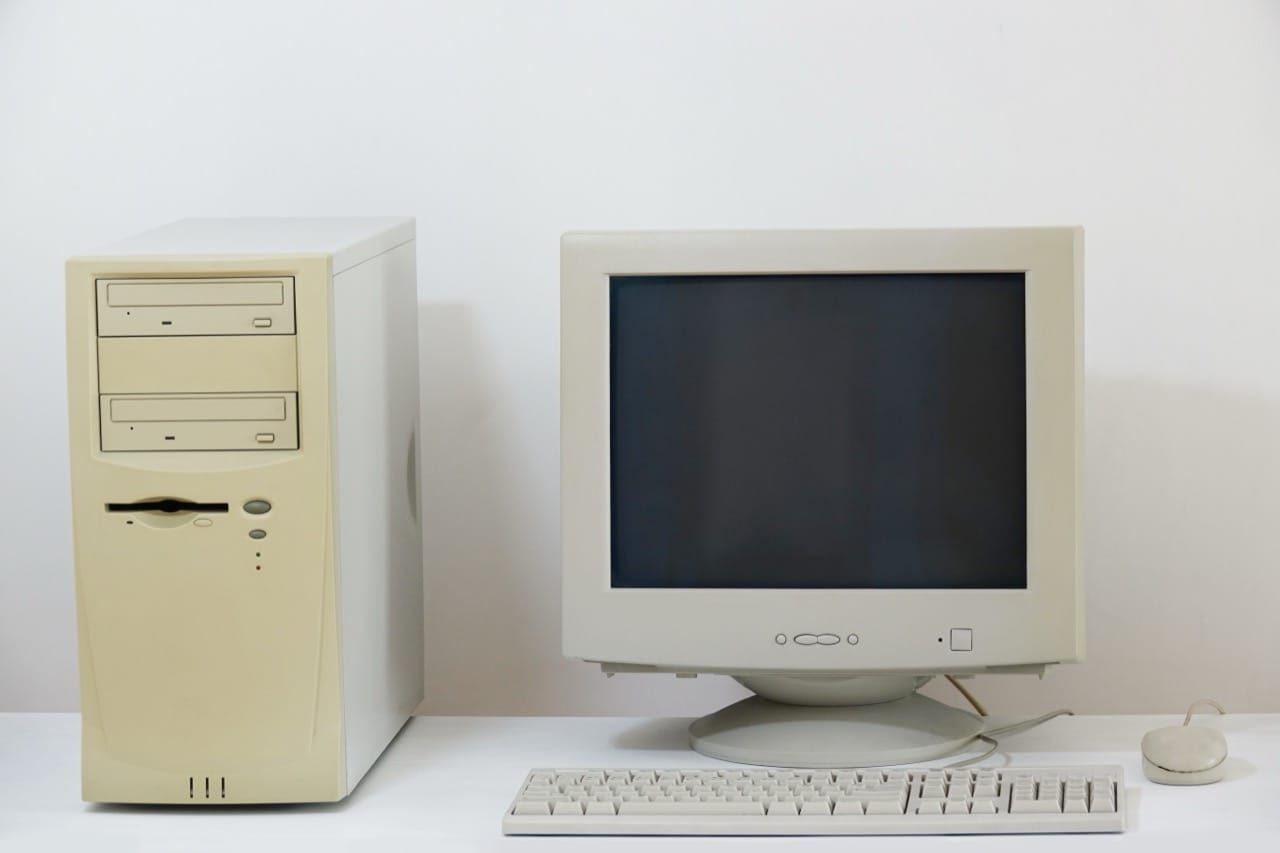
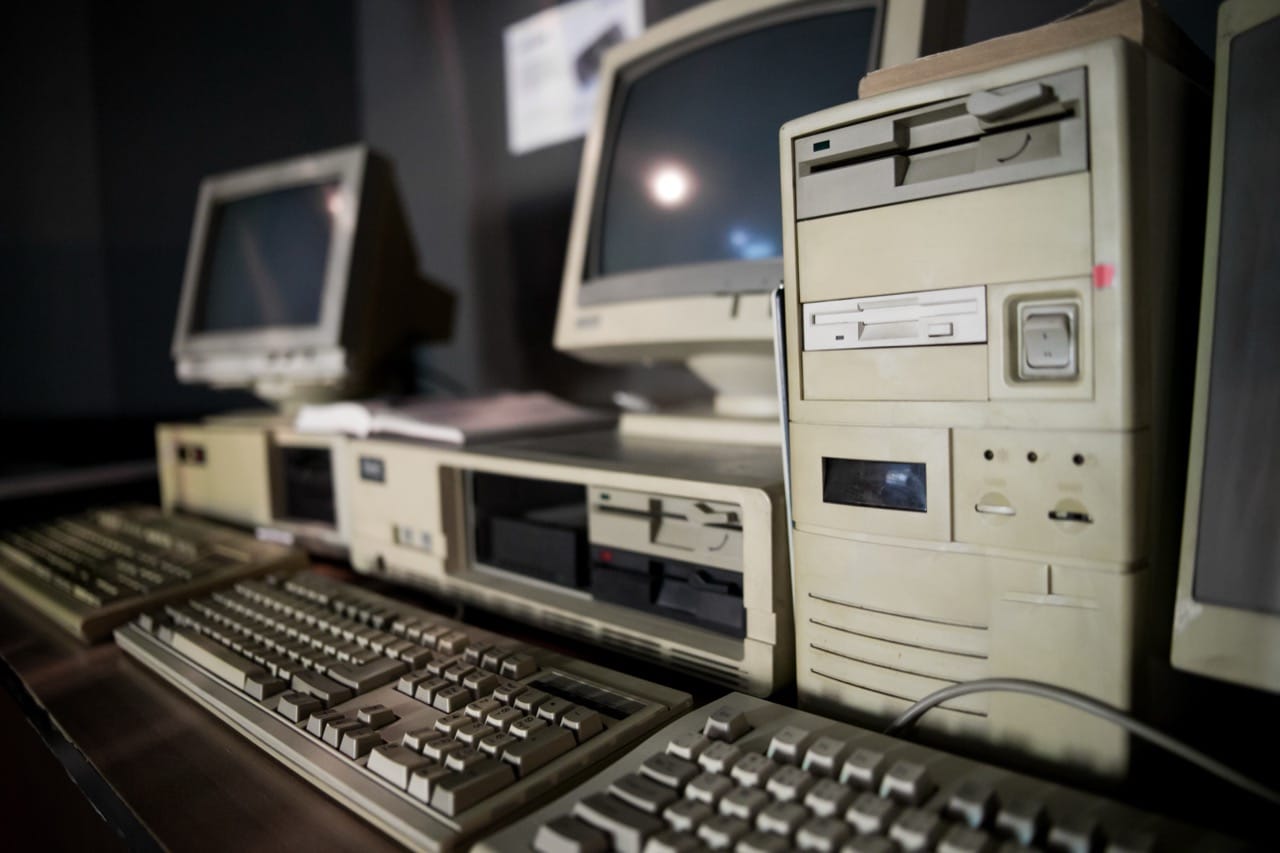
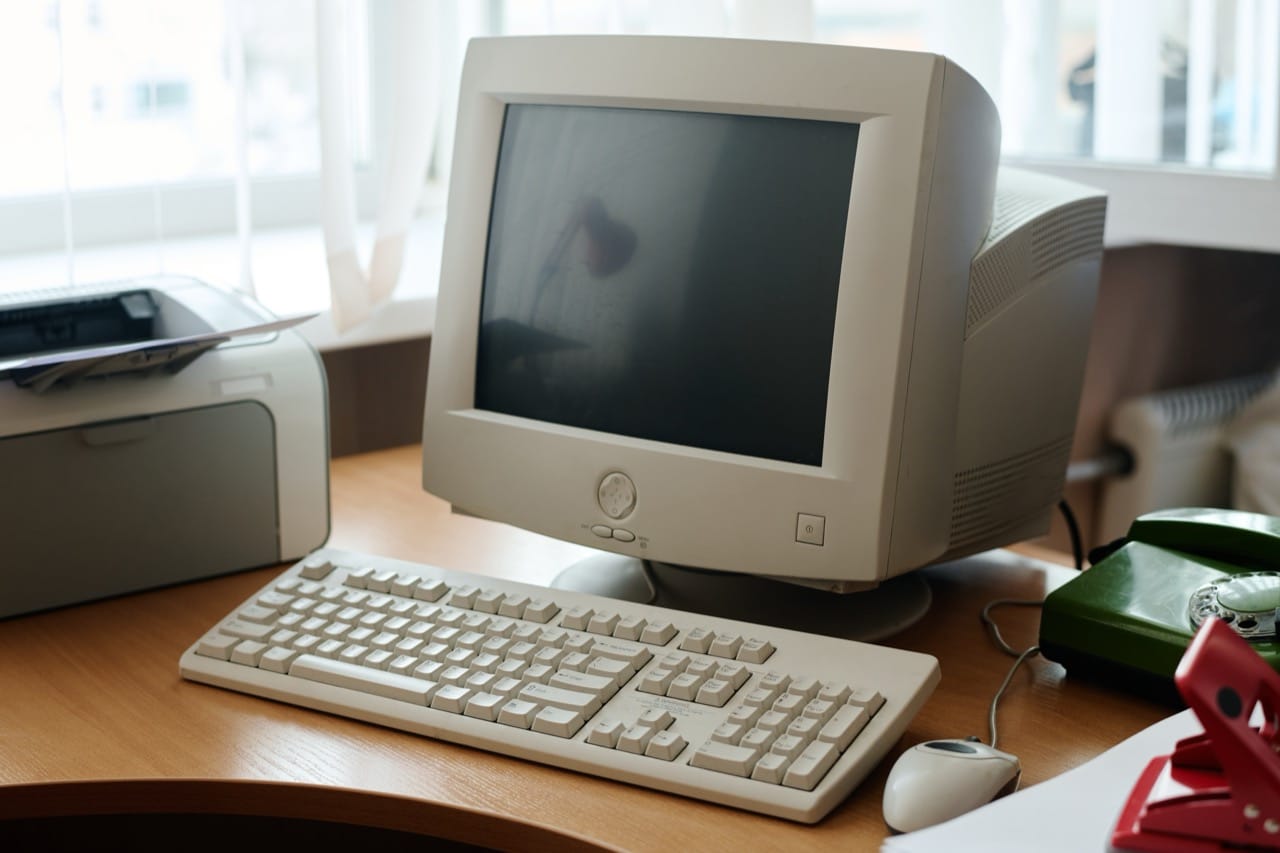
The 1990s were a decade when computer bragging rights moved from niche hobby circles into everyday conversation. In the early years, many homes still relied on machines that booted into DOS prompts or simple graphical shells, and by the end of the decade people expected a full desktop, sound, color, and internet access as standard. The fun of the era was how quickly the “best” specification changed. A processor that seemed untouchable one year could feel outdated the next, and computer magazines were packed with charts tracking who had the fastest clock speed, the biggest hard drive, or the newest operating system.
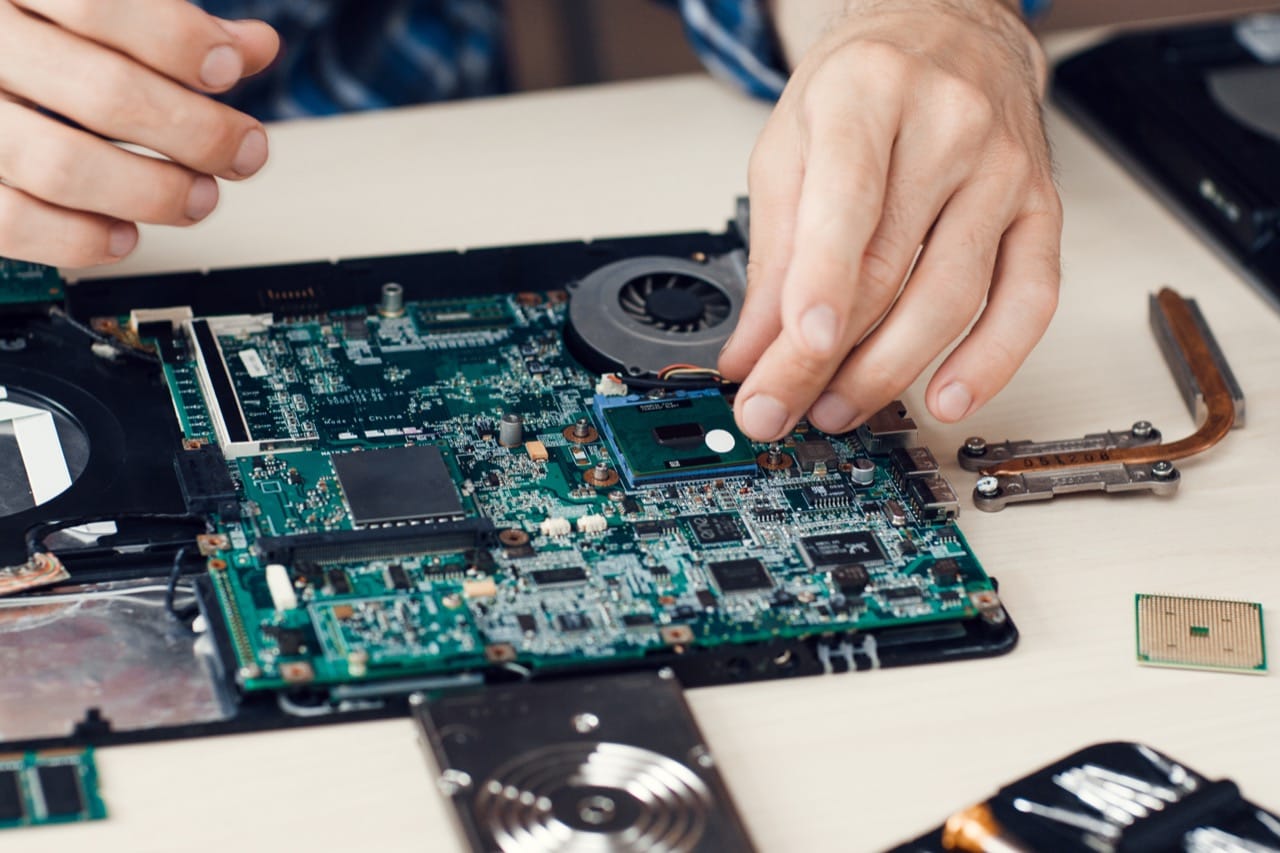
Processor milestones became a kind of spectator sport. Intel’s 486 line carried over from the late 1980s, but the Pentium brand in the mid 1990s made performance feel like a new category, especially as multimedia and 3D games took off. Rivalry wasn’t only about raw speed. The Pentium’s early floating point division bug became infamous because it showed that tiny technical flaws could become front page news. Meanwhile, competitors like AMD and Cyrix pushed alternatives that often offered strong value, helping turn CPU shopping into a debate about price versus prestige.
Nothing captured 90s ambition like the race to 1 gigahertz. For years, hitting 100 MHz had already felt impressive, and then clock speeds climbed through the hundreds. The gigahertz threshold became a symbolic finish line, heavily marketed because it was easy to understand even if it did not tell the whole performance story. Around the end of the decade, the first commercial systems advertising gigahertz class processors appeared, and even people who did not build PCs knew it was a big deal.
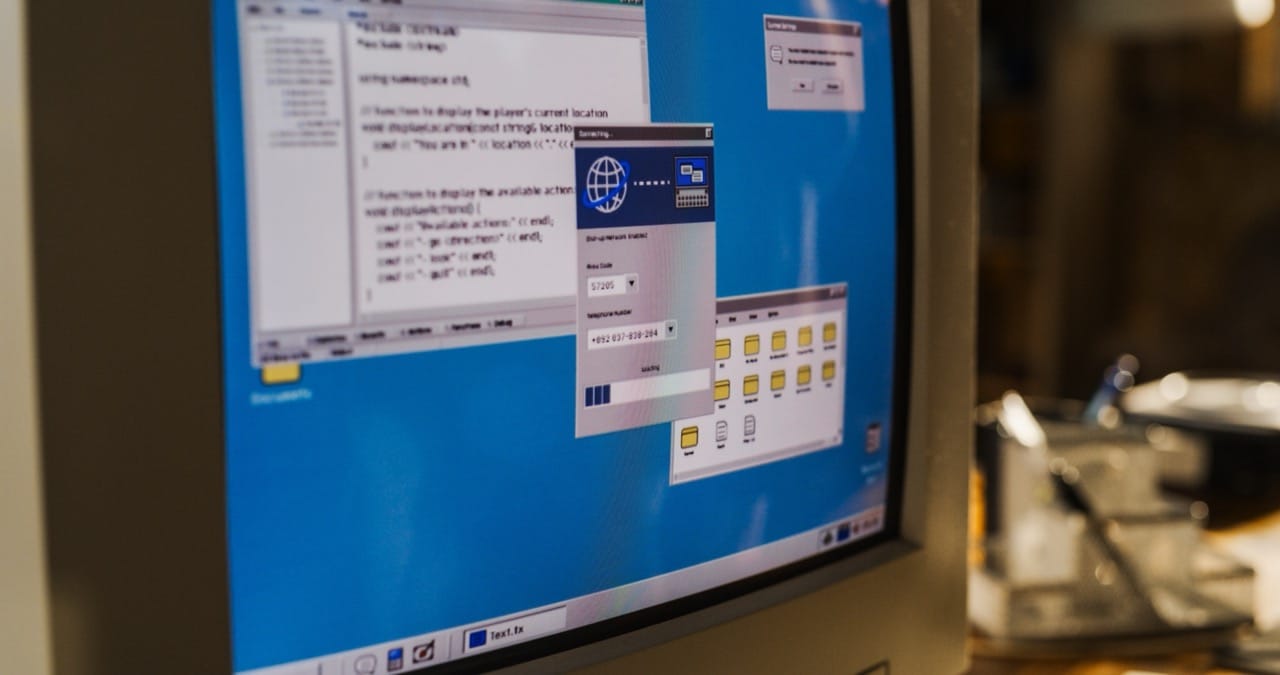
Operating systems delivered their own record setting moments. Windows 95 was more than a product launch; it was a cultural event, bringing the Start menu and taskbar to millions and making “plug and play” a mainstream promise, even if it did not always behave. Windows 98 followed with better device support and a stronger push toward the web. On the other side of the spectrum, Windows NT showed that a more robust, business oriented Windows could exist, laying groundwork for the stability people would later expect. At the same time, Linux grew from a curiosity into a serious option for servers and enthusiasts, powered by the internet’s ability to spread software and knowledge quickly.
The web’s superlatives were just as dramatic. Early browsing often meant listening to a modem handshake and watching images appear line by line, but the sense of discovery was unmatched. Netscape Navigator became the breakout browser that helped popularize the World Wide Web, and then Microsoft’s Internet Explorer ignited the browser wars, turning web standards and market share into headline material. Search engines evolved rapidly too, from directories and early crawlers to the late decade arrival of Google, which impressed users by returning cleaner results when the web was already getting crowded.
Storage and media gave people new ways to boast. In the early 90s, hard drives measured in tens or hundreds of megabytes; by the end, multi gigabyte drives were common in consumer PCs, changing what “a lot of space” meant. Floppy disks still lingered, but CD ROM drives became essential for software, games, and encyclopedias, and recordable CDs turned ordinary users into publishers of their own backups and music mixes. The late 90s also saw the rise of DVD, promising movie quality video and huge capacity compared with CDs.
Networking records were personal too. Many people remember their first leap from 14.4 kbps to 28.8 or 56 kbps dial up, celebrating each step as if it were a new sports car. Local area networks in schools and offices made file sharing and multiplayer games feel futuristic, while the spread of broadband near the decade’s end hinted that the web could become always on rather than an activity you scheduled.
All these extremes and firsts mattered because they changed expectations. The 1990s taught consumers to track specs, compare benchmarks, and anticipate the next big release. The decade’s record chasing spirit is exactly what makes it such a rich playground for quiz questions, where the right answer often depends on remembering not just what happened, but when it crossed a famous threshold.