Pentiums, Plug and Play, and Dial Up Days


Quiz Complete!
Pentiums, Plug and Play, and Dial Up Days: Everyday Computing in the 1990s
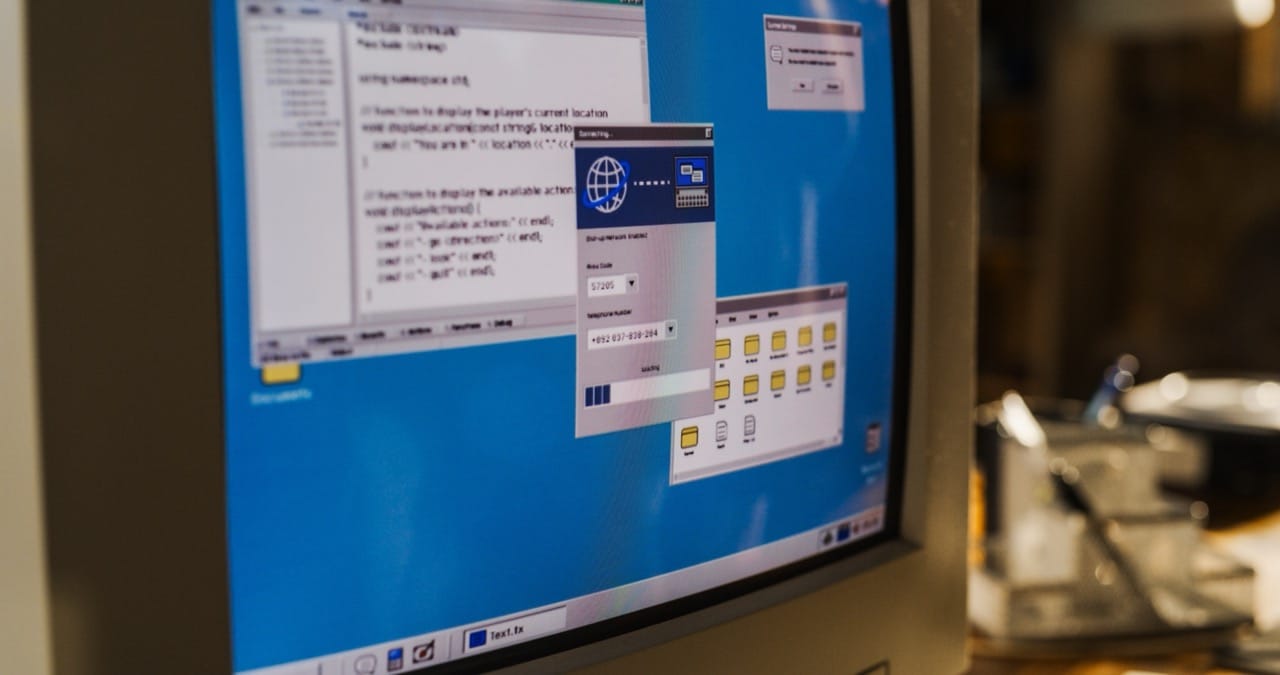
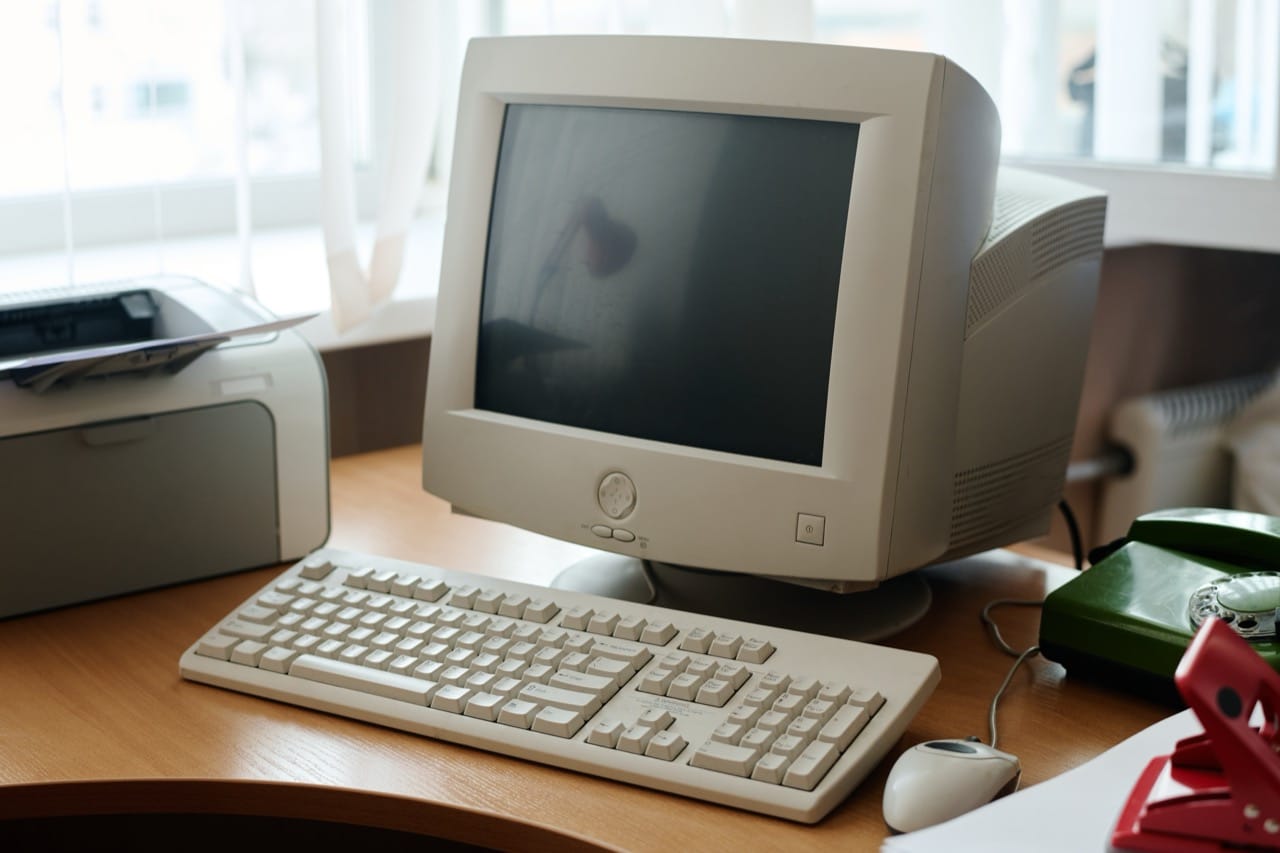
In the 1990s, personal computers stopped feeling like specialist machines and started becoming ordinary household tools, but the learning curve was still part of the experience. Many people began the decade booting into MS DOS, where memory managers, CONFIG.SYS, and AUTOEXEC.BAT could decide whether a game would run. By the middle years, Windows 95 made the desktop metaphor mainstream with the Start menu and taskbar, and Windows 98 refined the idea with better hardware support and a more web focused feel. Windows NT existed alongside these home versions as the sturdier option in offices, while the last echoes of earlier interfaces like Program Manager reminded users how quickly the decade was moving.
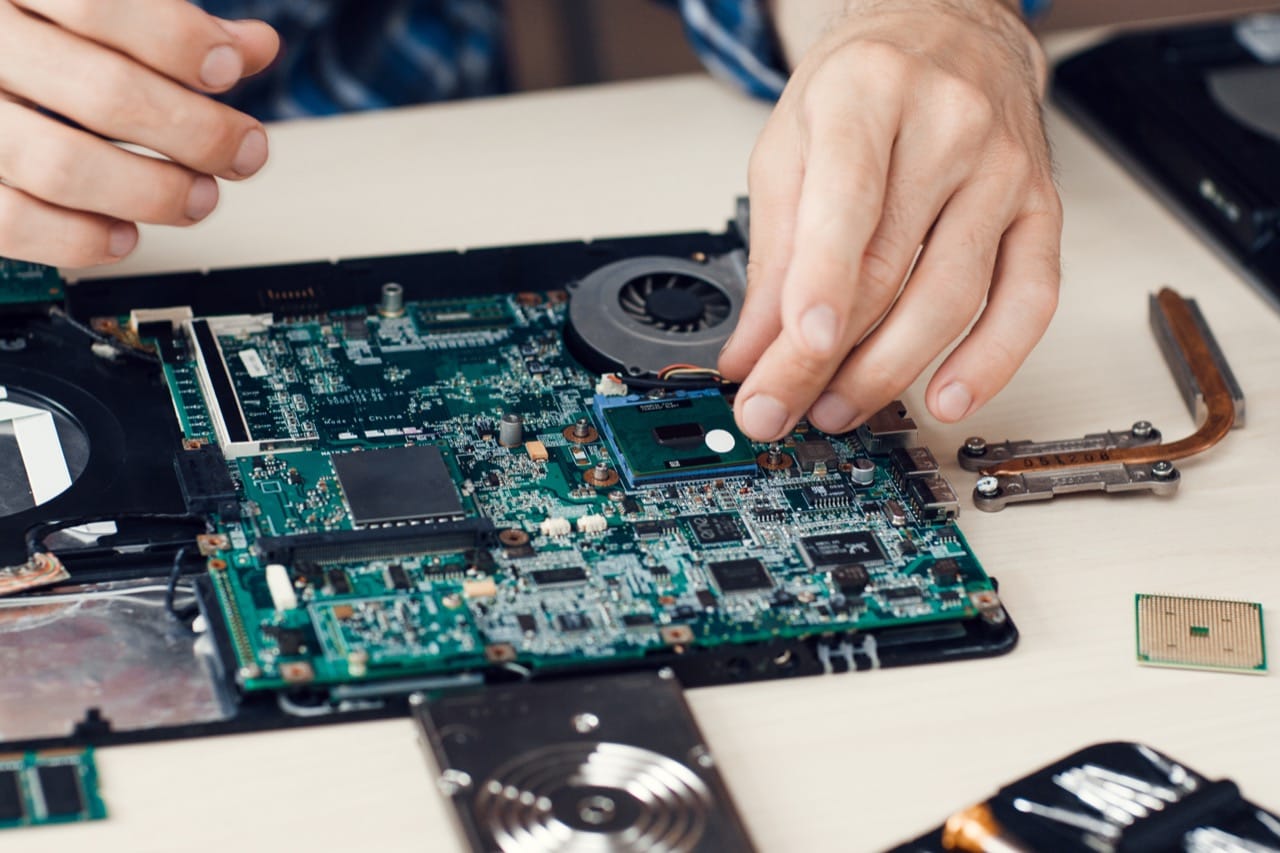
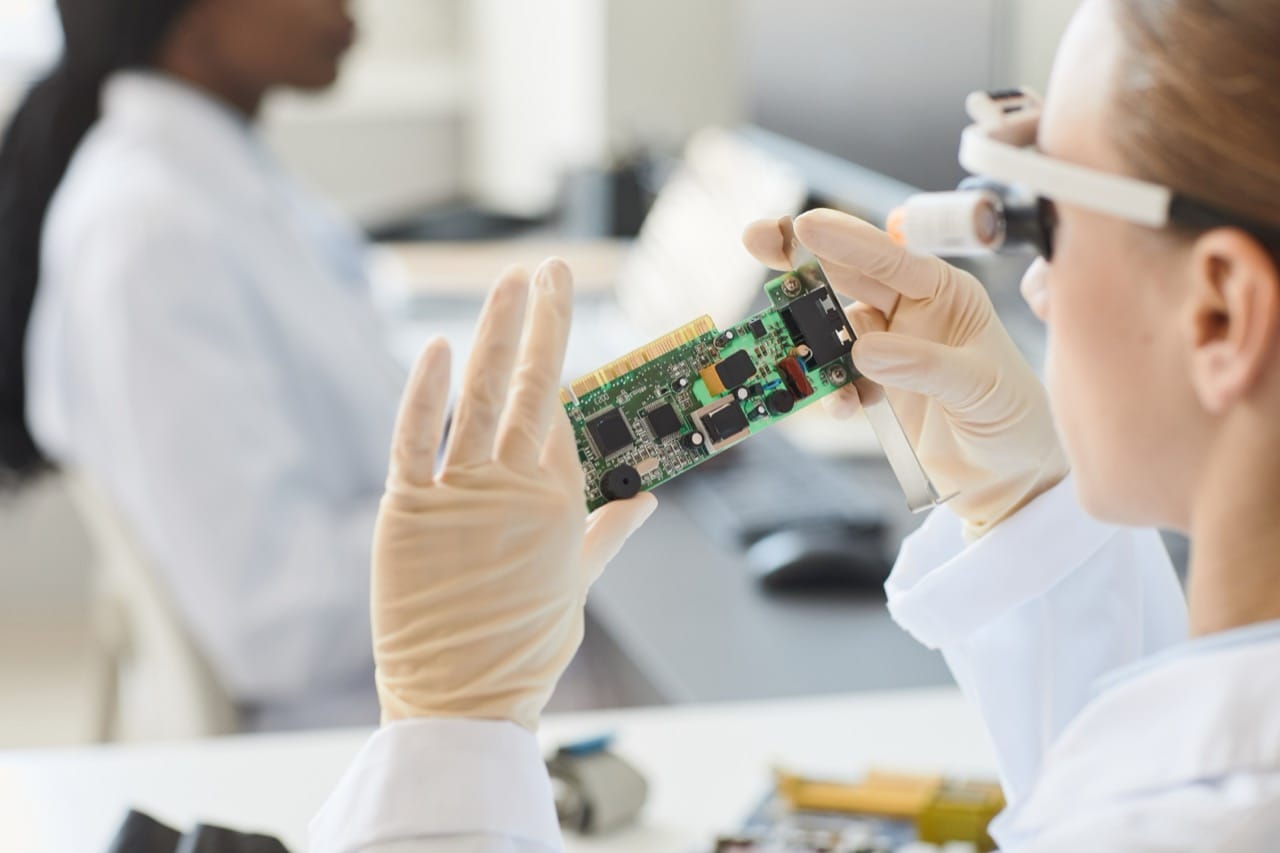
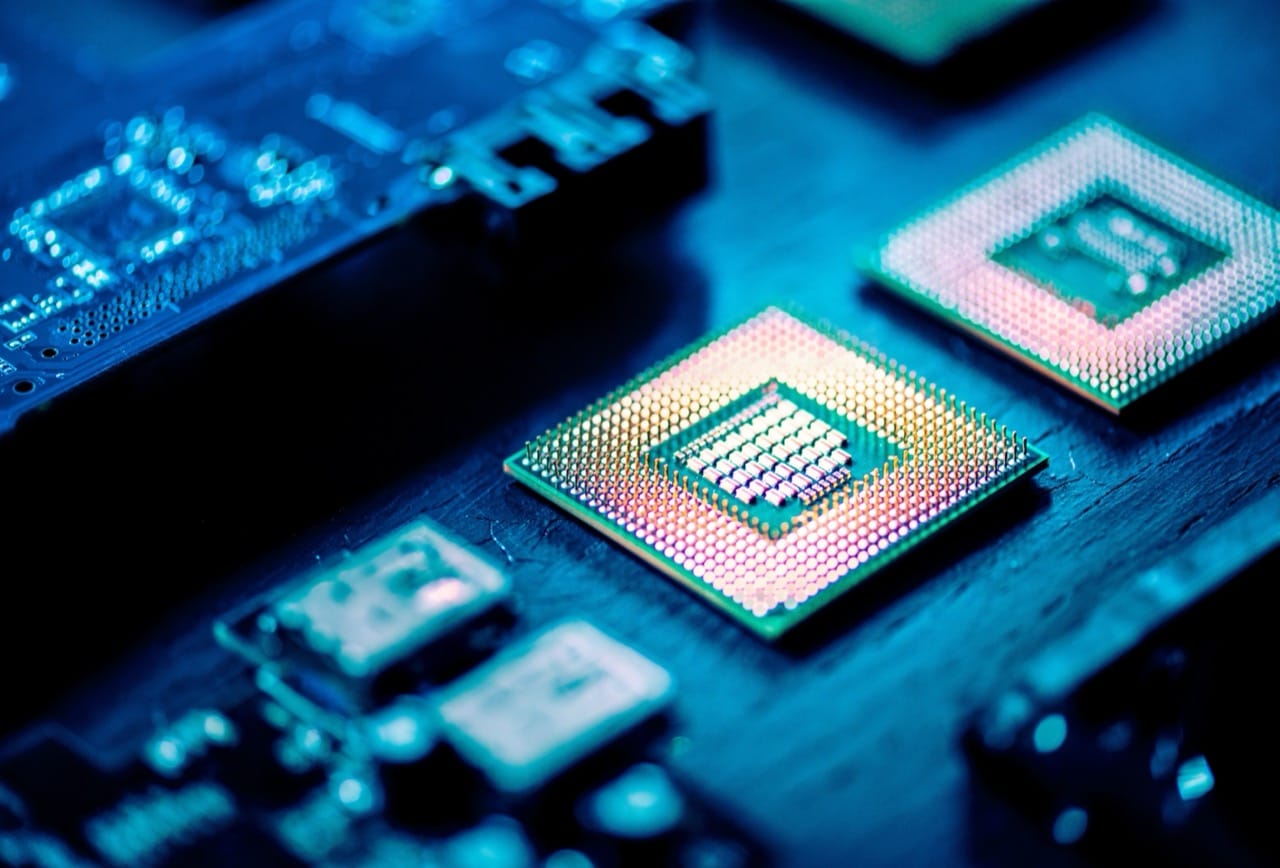
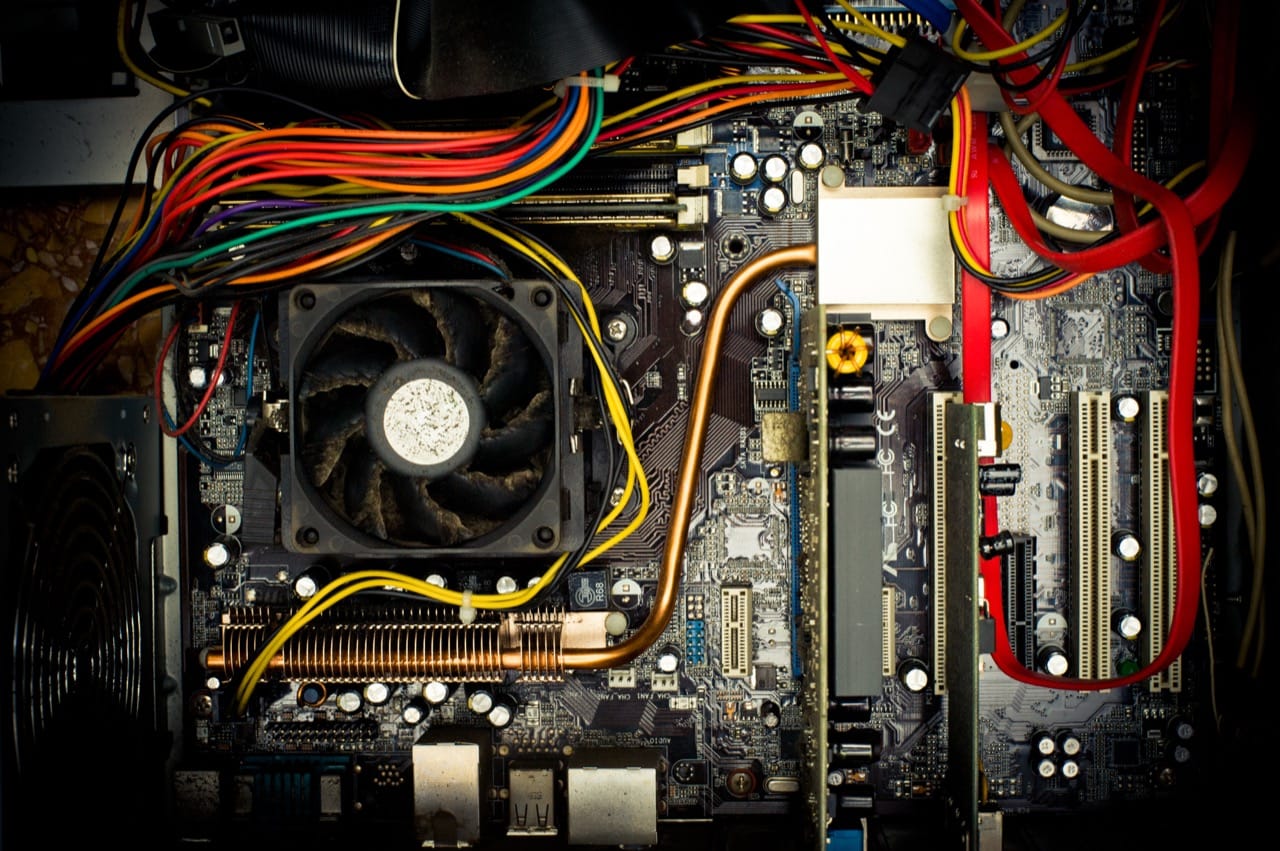
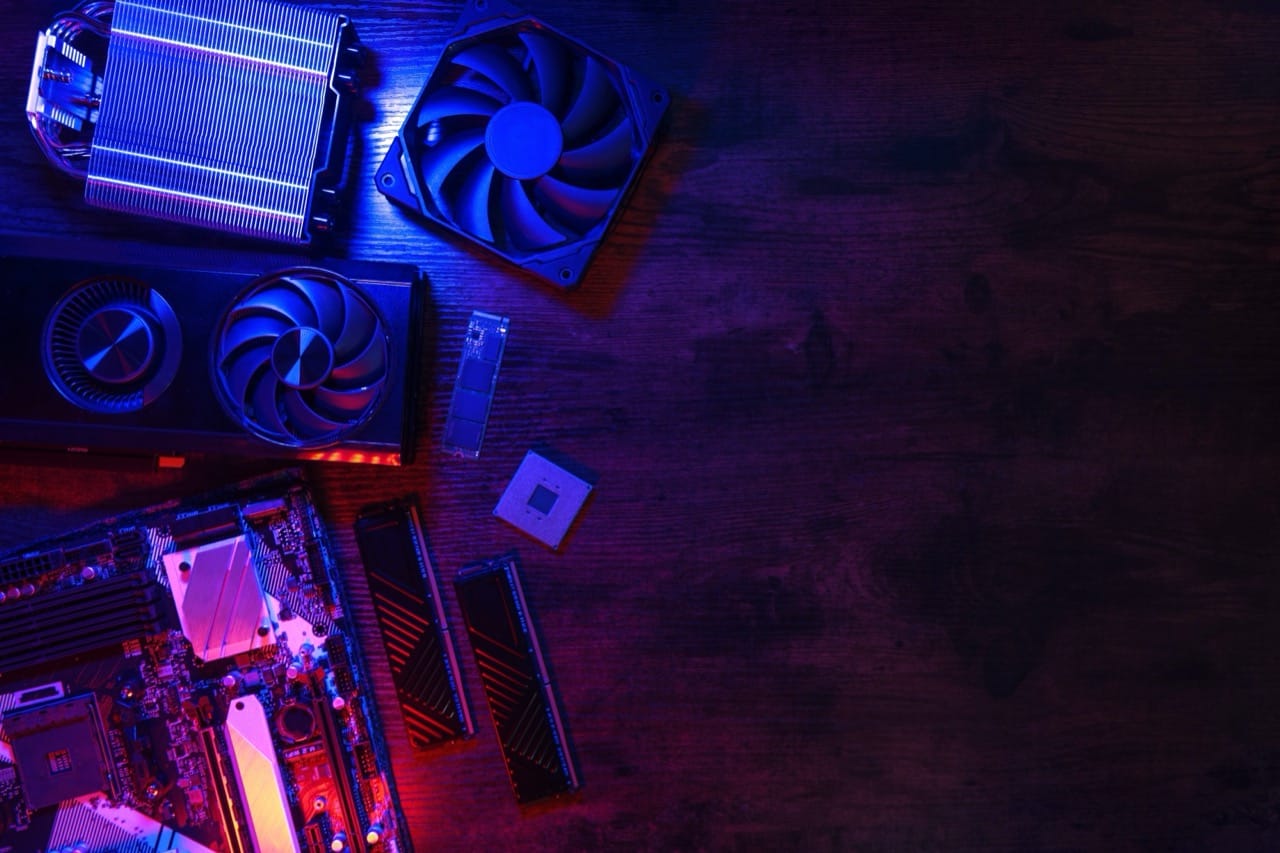
Hardware terms became part of everyday conversation. A new PC might proudly advertise a Pentium processor, a badge that signaled speed in an era when megahertz mattered and upgrades felt dramatic. RAM was measured in megabytes, hard drives in hundreds of megabytes or a few gigabytes, and the jump in capacity changed what people expected from software. Sound cards and video cards were often separate purchases, and getting them working could involve opening the case, choosing an IRQ, and hoping nothing conflicted. Plug and Play promised that devices would configure themselves, and while it often worked, many users remember the less flattering nickname that appeared when it did not.
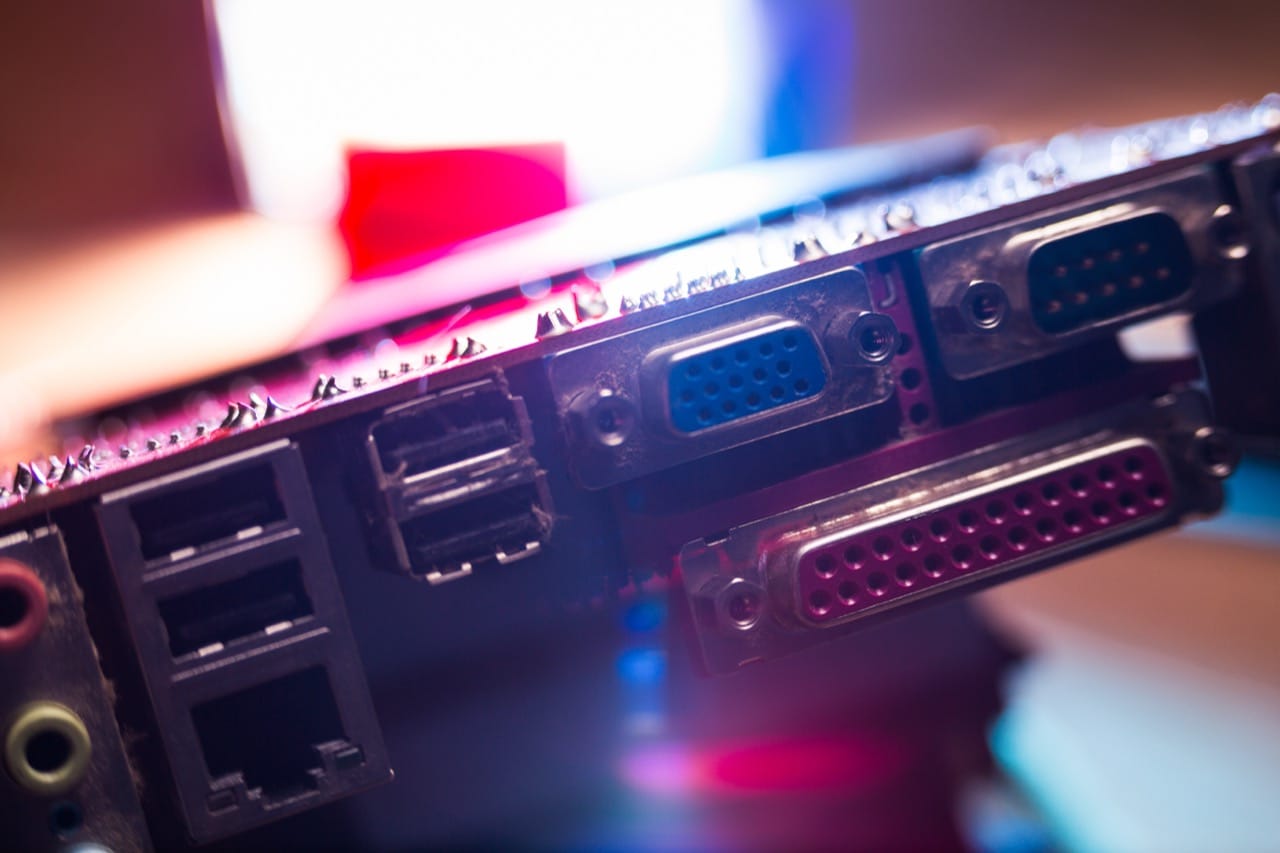
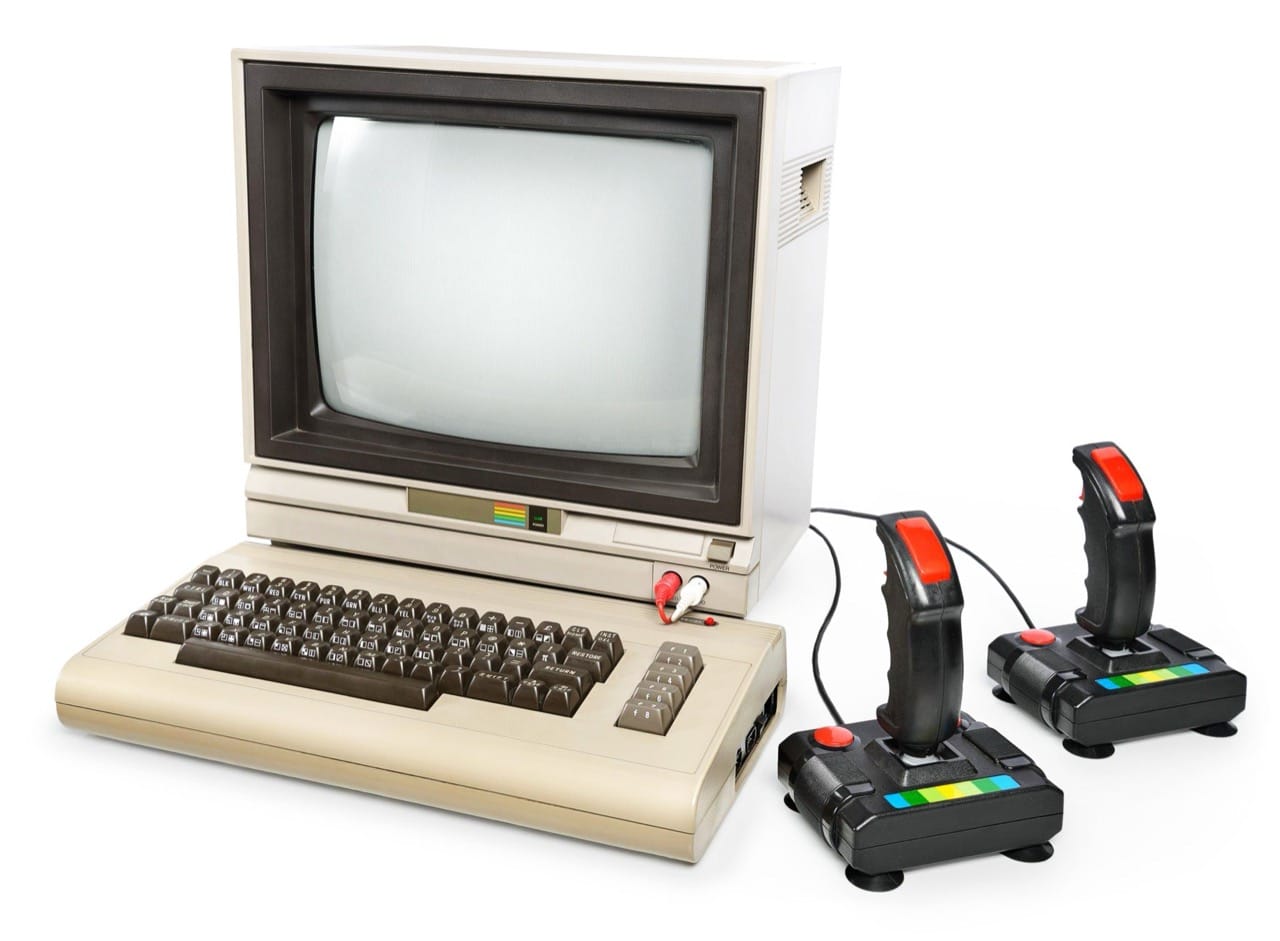
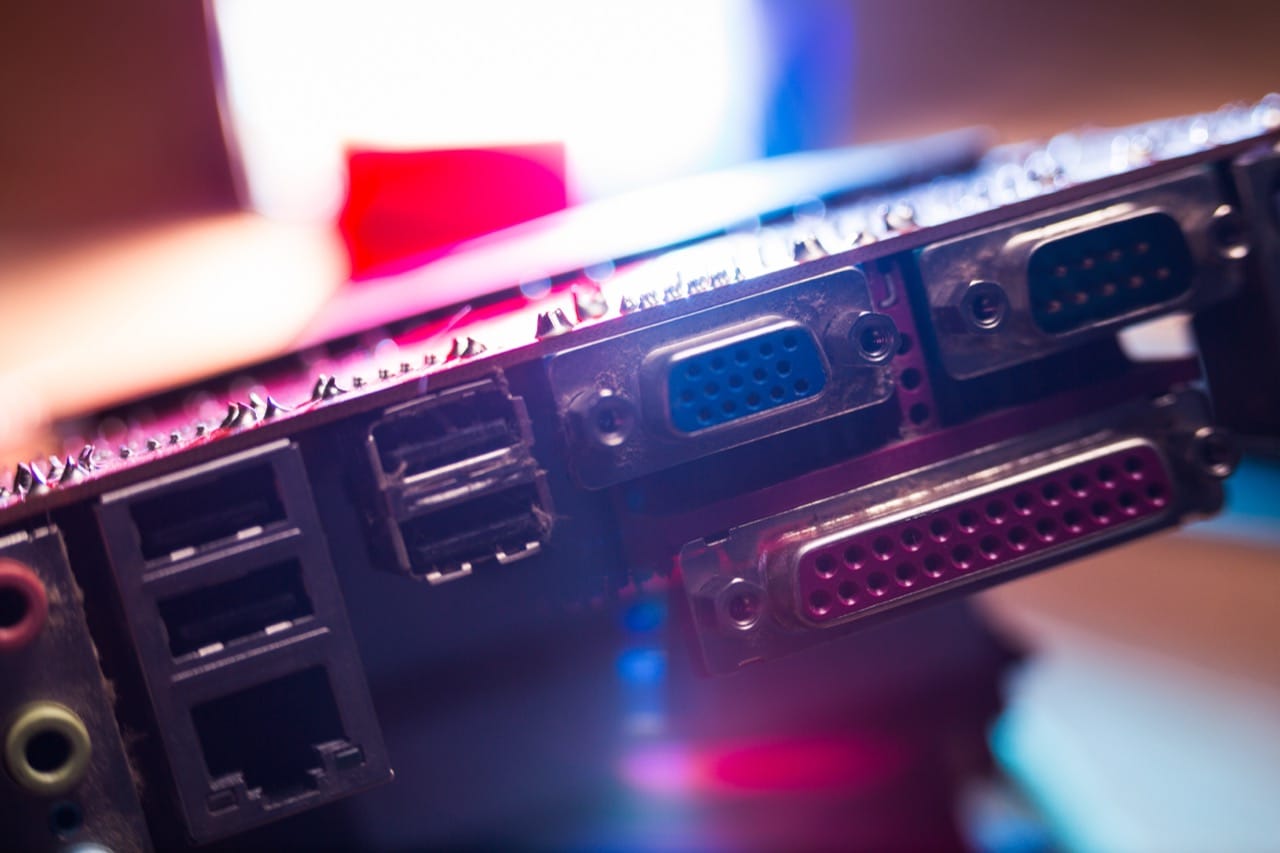
The back of a 90s computer was a museum of connectors. Serial ports powered external modems and some mice, parallel ports handled printers with thick cables and chunky plugs, and PS 2 ports gradually replaced older mouse and keyboard connections. Game ports were common for joysticks, and SCSI was the power user’s choice for scanners and faster drives, though it demanded careful setup. USB arrived late in the decade and slowly simplified everything, but early adopters still carried a mix of old and new cables.
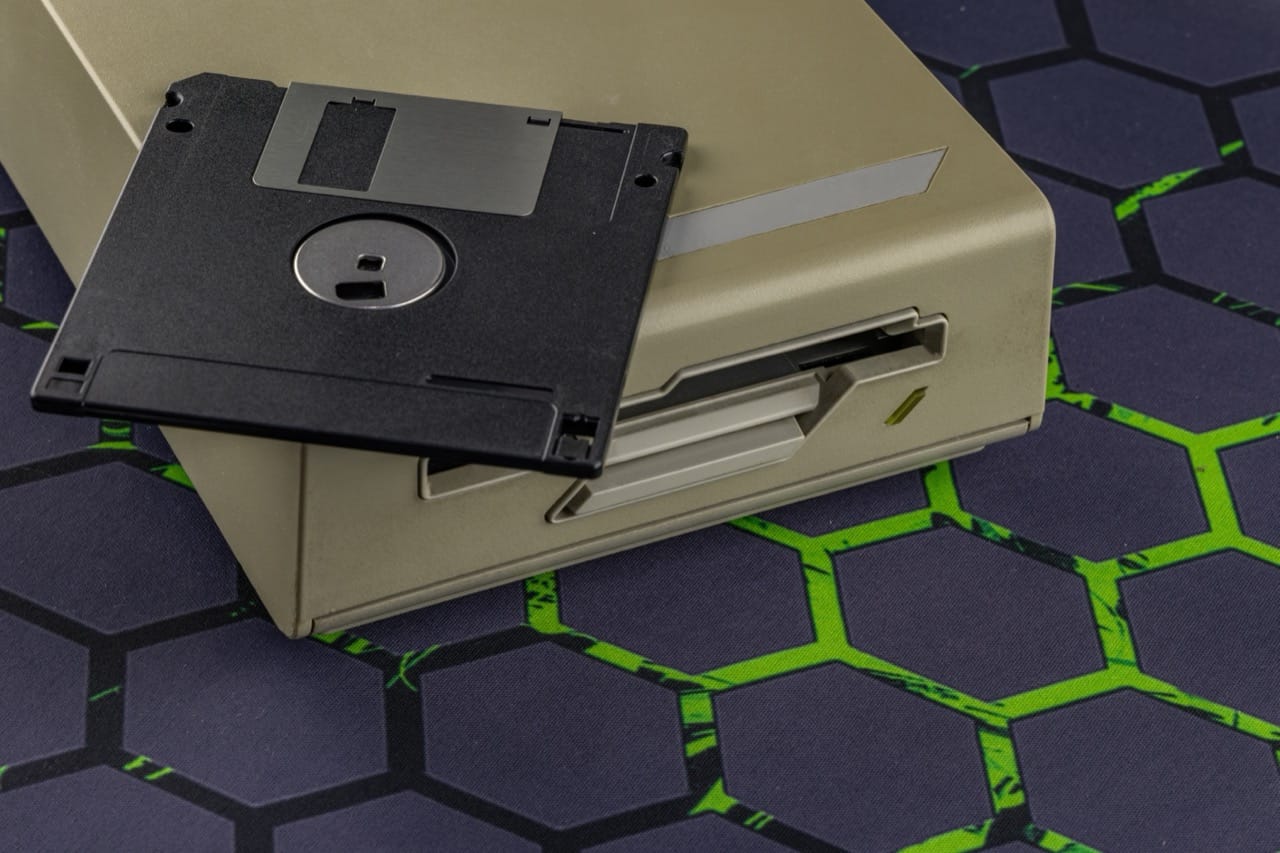
Storage tells another story of rapid change. Floppy disks were the original sneaker net, first in 5.25 inch form and then the familiar 3.5 inch disks that held 1.44 MB, enough for documents but not for modern sized media. CD ROM drives turned software installation into a one disc affair and made multimedia practical, while writable CDs became a way to back up files and share large projects. Zip drives briefly filled the gap with higher capacity removable disks, especially in schools and small offices.
The internet was the decade’s shared rite of passage. Dial up modems connected through the phone line, and their handshake sounds signaled a temporary takeover of the household telephone. Speeds like 14.4, 28.8, and 56k shaped behavior: images loaded line by line, downloads ran overnight, and web pages were designed to be lightweight. Email moved from novelty to necessity through programs like Eudora and Outlook Express, while browsers such as Netscape Navigator and Internet Explorer competed to define what the web would look like. Instant messaging, especially through services like ICQ and AOL Instant Messenger, made online life feel personal and immediate.
Software habits formed that still influence computing today. Microsoft Office became the standard toolkit for writing documents, making spreadsheets, and building presentations, while shareware culture encouraged people to try programs first and pay if they kept using them. Screensavers and desktop themes were small joys, and troubleshooting became a common skill: reinstalling drivers from a stack of floppies or a CD, freeing disk space, and learning which settings to tweak. The 1990s taught a generation not just how to use computers, but how to live with them, one upgrade, one connection, and one patiently awaited download at a time.