Screens, Sounds, and Surprises of 90s Computing

Quiz Complete!
Screens, Sounds, and Surprises of 90s Computing
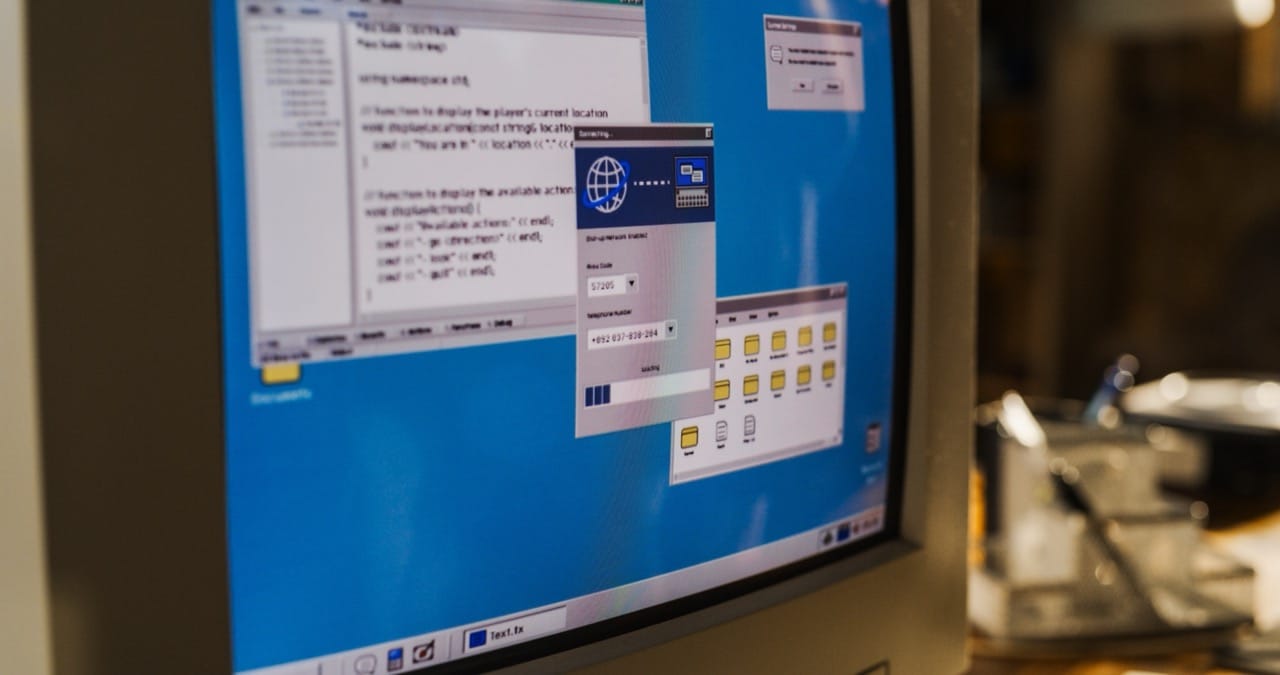
In the 1990s, computers stopped feeling like specialized machines and started behaving like everyday companions, and the change was loud, visual, and surprisingly cultural. Many people’s strongest memory of getting online is not a logo or a website but a sound: the dial-up modem’s sequence of clicks, hisses, and warbles as it negotiated a connection over a phone line. That audio handshake was a reminder that the internet was still borrowing older infrastructure, and it also shaped behavior. Being online tied up the family phone, time was metered for some users, and pages often arrived line by line, making patience part of the experience.
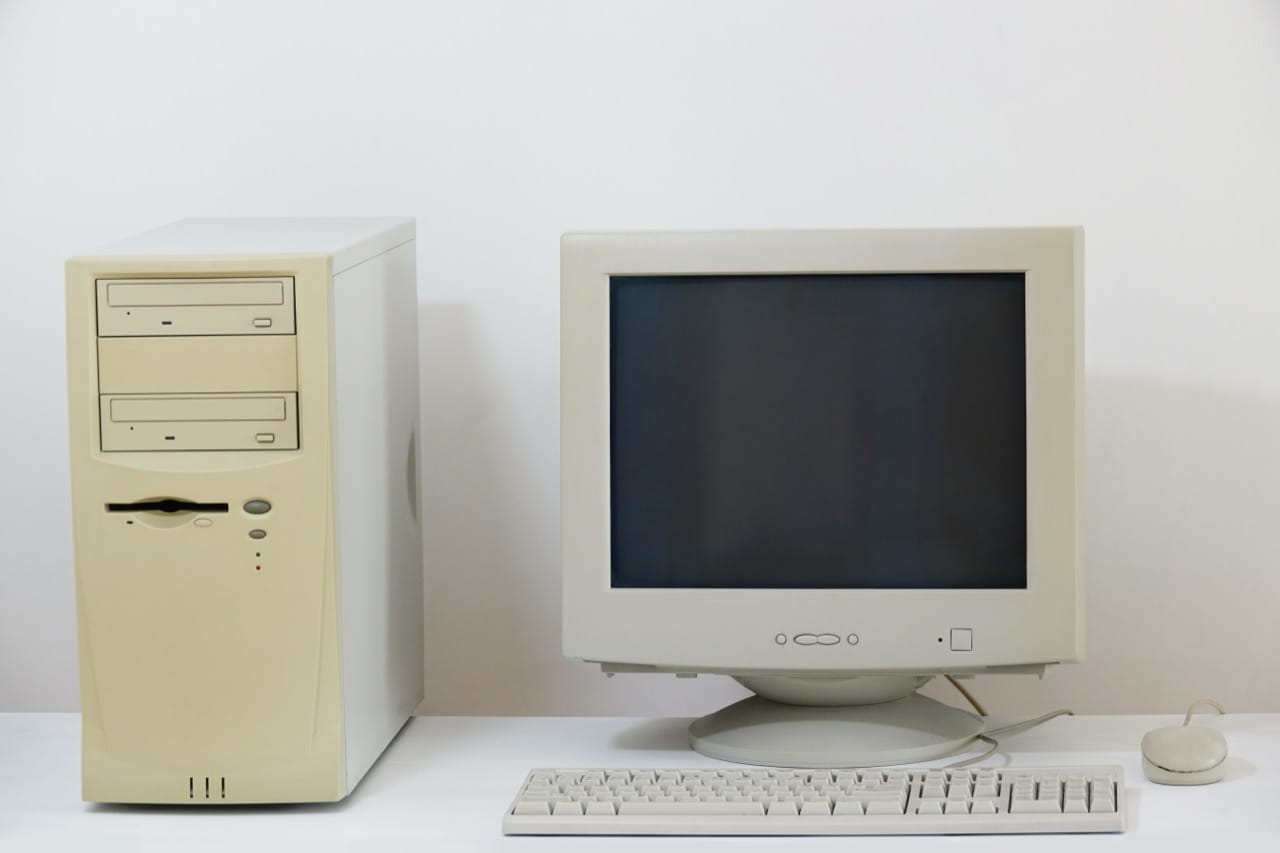
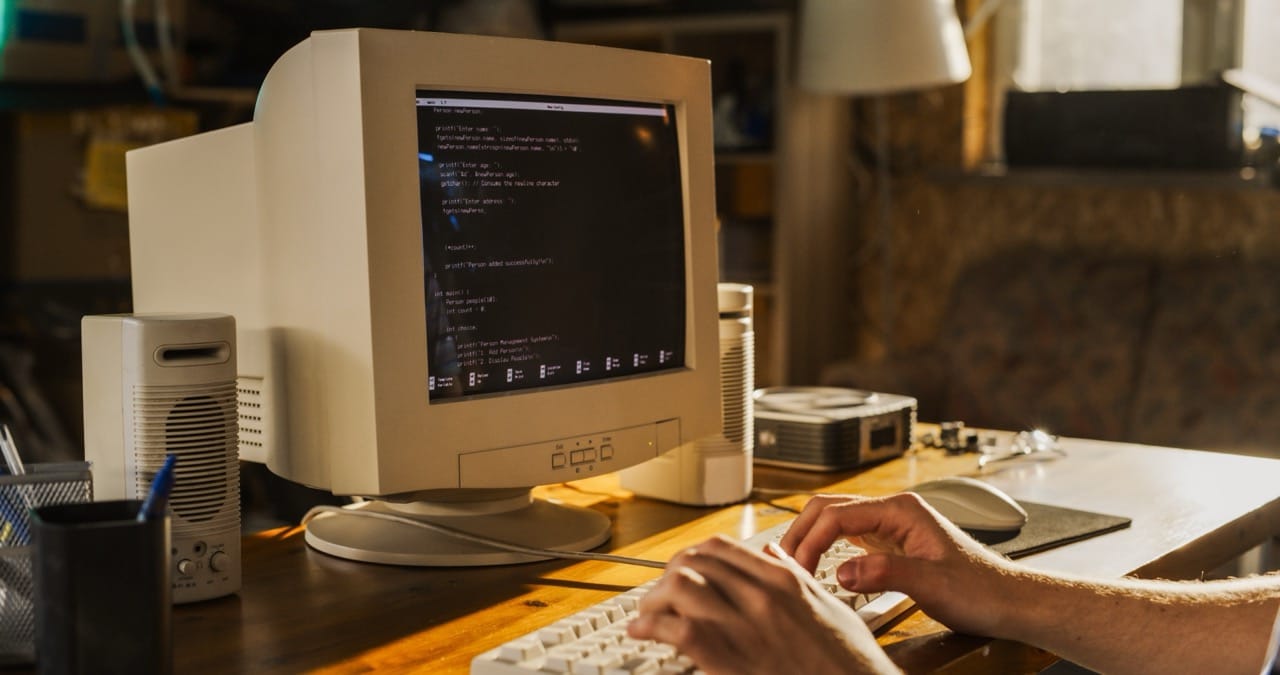
The decade’s biggest arguments often started at the desktop. Microsoft Windows became the default for many households as Windows 95 and Windows 98 made the graphical interface feel friendlier and more consistent, while also turning the Start menu, taskbar, and plug-and-play hardware into familiar concepts. At the same time, Apple kept a loyal following with the Macintosh, emphasizing design and ease of use, and later reignited attention with the colorful iMac in 1998. Under the surface, Unix and early Linux distributions were gaining momentum among enthusiasts and students, planting the seeds for today’s server and open-source world.
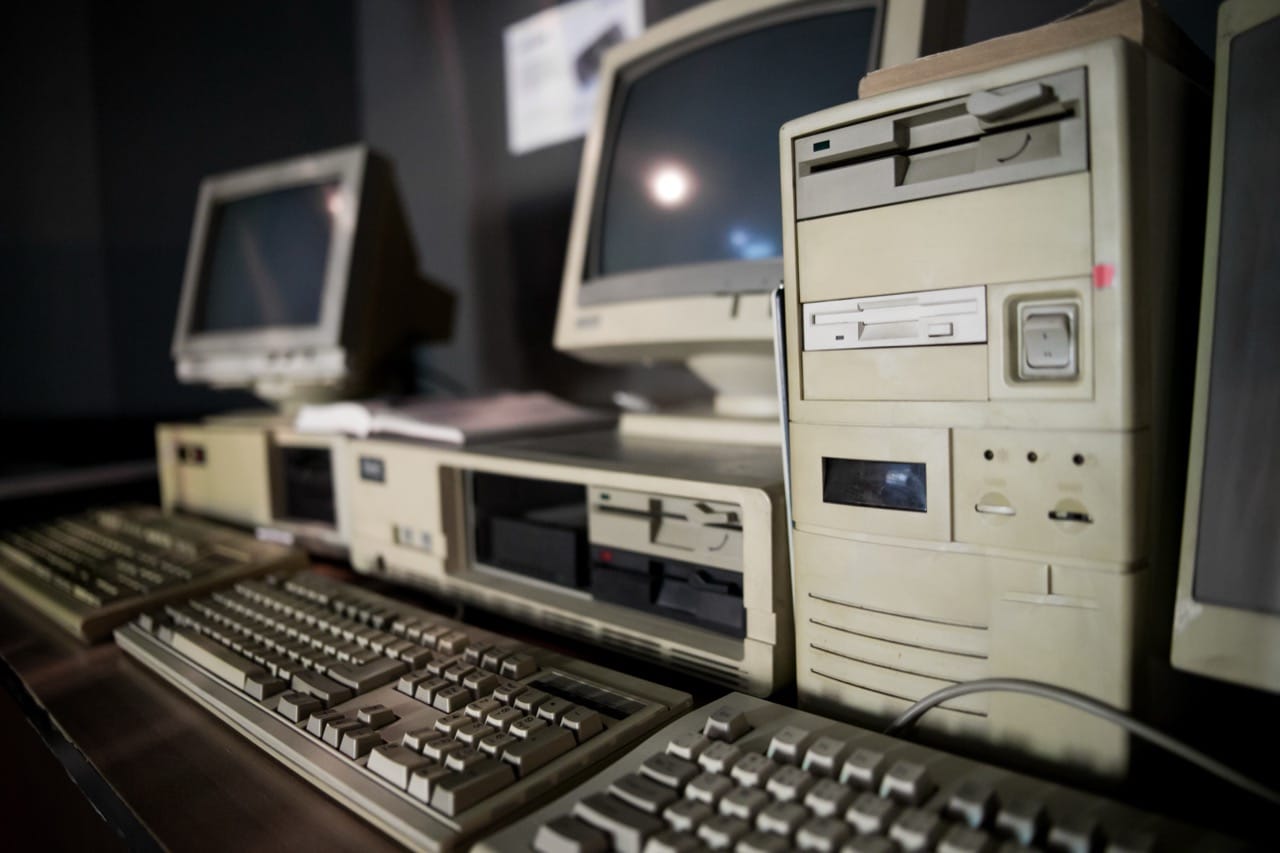
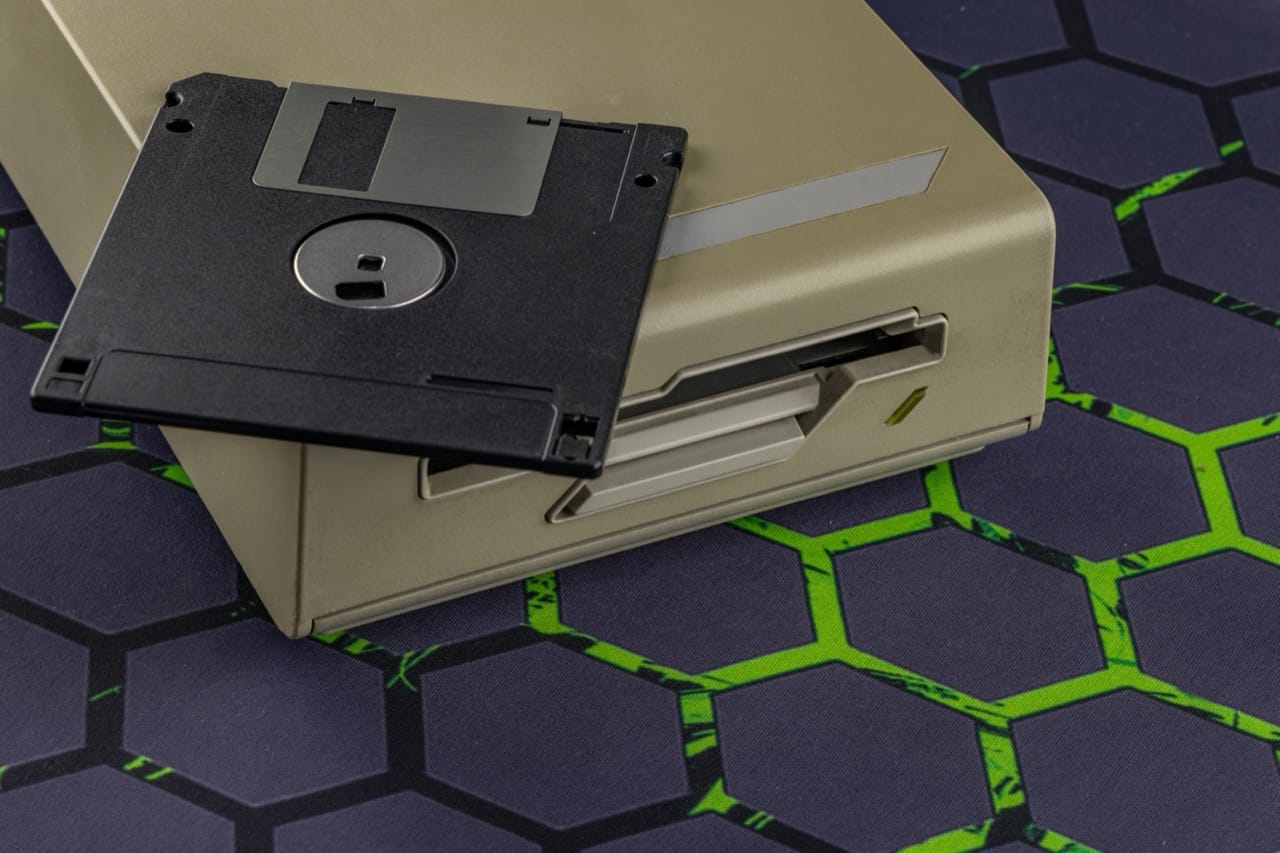
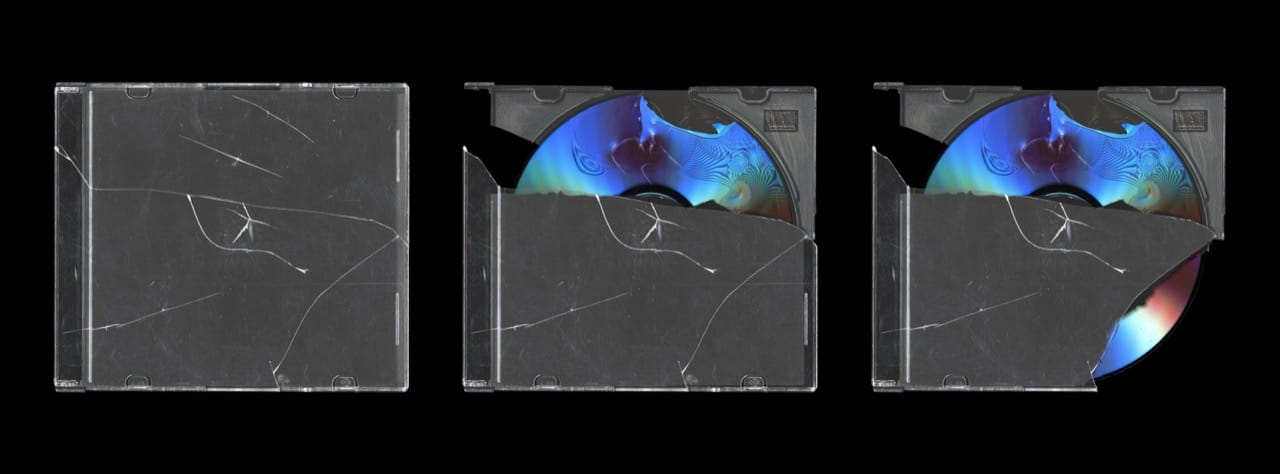
Storage and media were in constant transition. Floppy disks still traveled in backpacks and desk drawers, but they were increasingly cramped for the era’s growing files and games. The CD-ROM became the symbol of abundance, shipping encyclopedias, multimedia “edutainment,” and games packed with full-motion video. Installing software could take a while, and it wasn’t unusual to feed a computer a small stack of disks, then celebrate when the final progress bar completed. These physical formats also shaped how people shared: swapping shareware utilities, passing around driver disks, and trading saved games felt like a social network built from plastic cases.
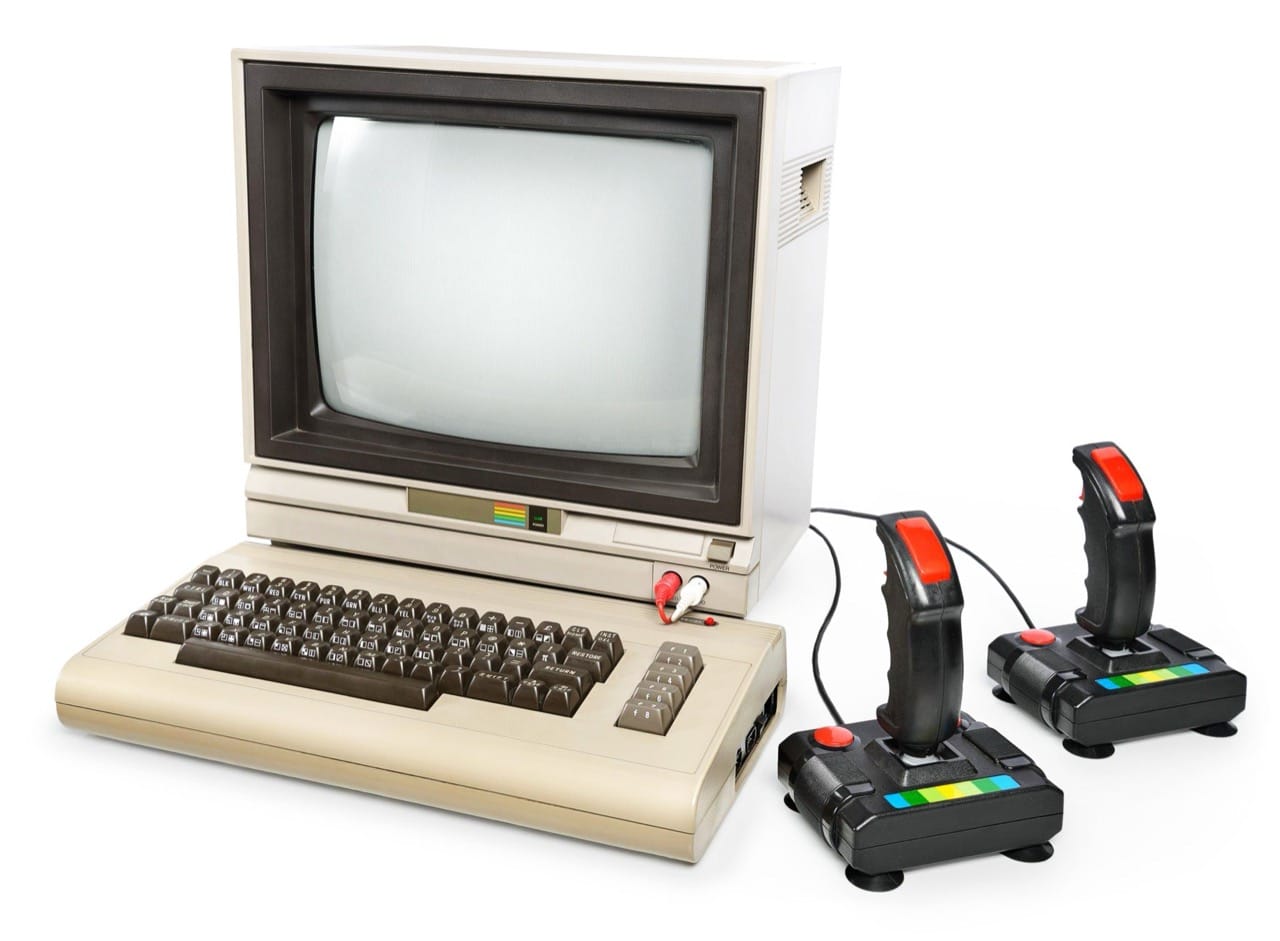
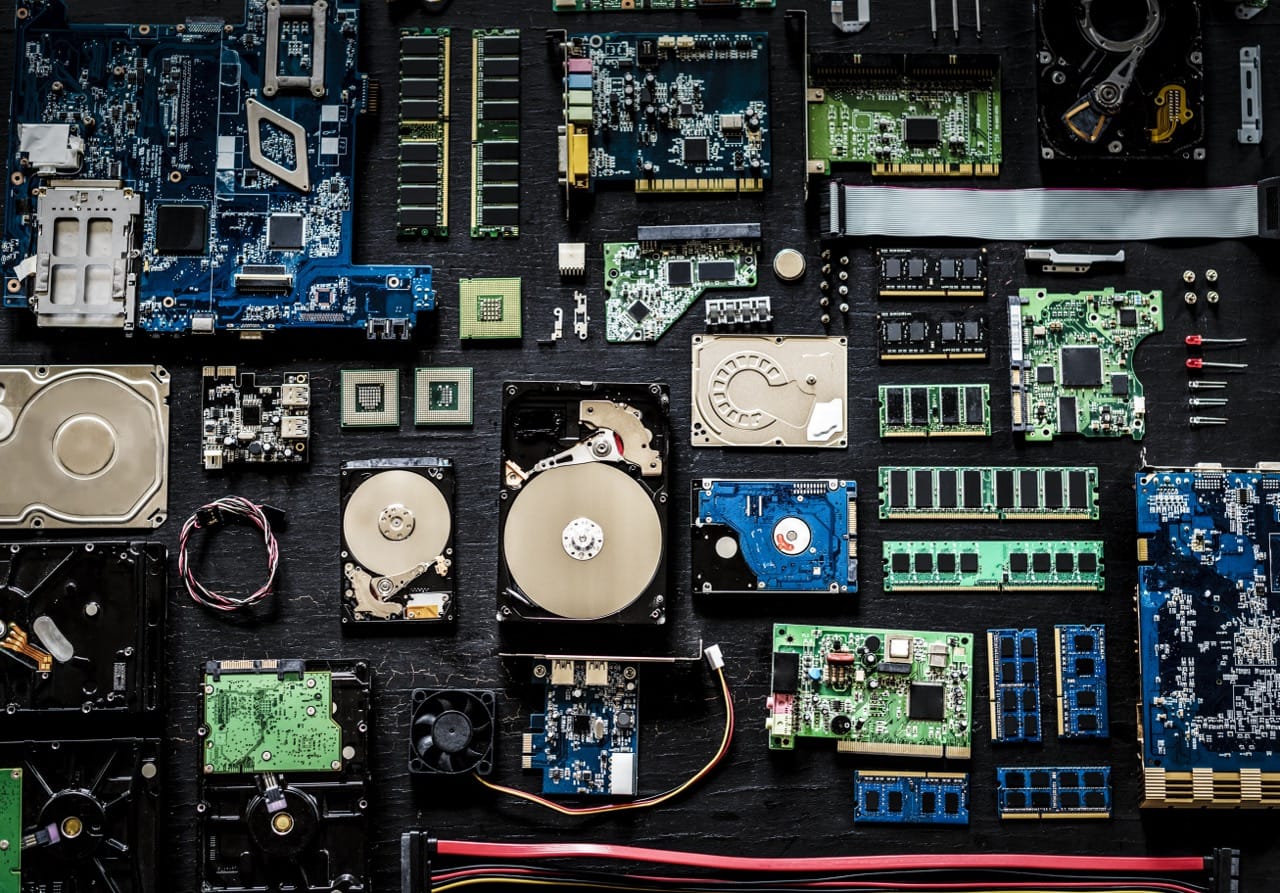
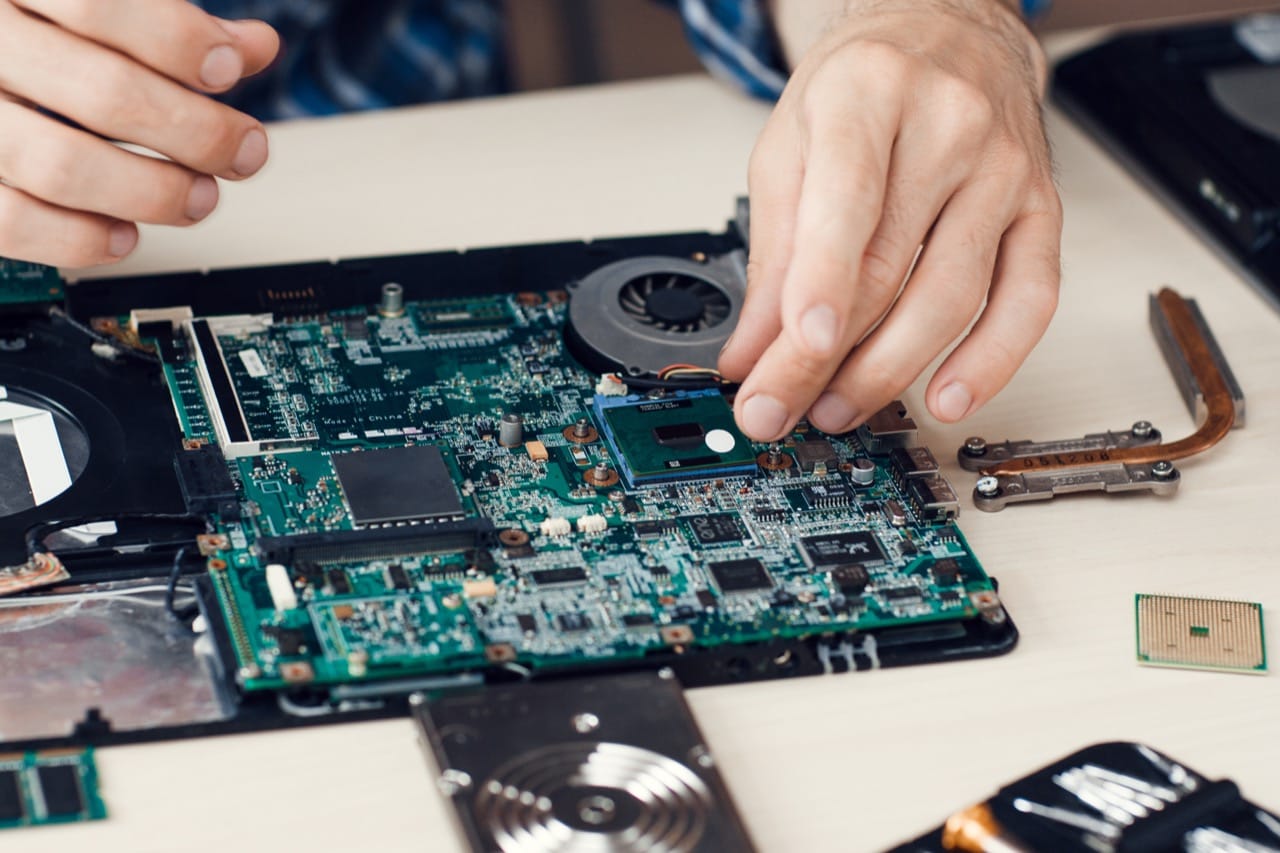
Gaming and computing crossed over more than ever. PCs pushed forward with genres that loved keyboards and mice, like real-time strategy and first-person shooters, while consoles borrowed from PC-style 3D graphics and storage ideas. The rise of dedicated 3D accelerator cards in PCs turned hardware specs into bragging rights, and “can it run” became a common question long before modern system requirements. LAN parties were a distinctly 90s ritual, with friends hauling bulky towers and CRT monitors to connect through Ethernet and play together in the same room, a workaround that felt magical when home broadband was rare.
Online services and early web culture created new habits. Before the open web fully took over, many users explored curated worlds like AOL, CompuServe, and Prodigy, complete with chat rooms, email, and downloadable content. Then browsers such as Netscape Navigator and Internet Explorer brought the wider web into view, and suddenly bookmarks, home pages, and search engines mattered. Web design in the 90s could be chaotic and charming, with animated GIFs, visitor counters, and pages optimized for tiny screen resolutions. Even so, the decade quietly standardized building blocks that still matter: HTML for structure, cookies for session tracking, and early e-commerce experiments that proved people would trust a screen with their money.
Computers also collided with music and movies in ways that reshaped industries. The MP3 format made digital audio easy to compress and share, and services like Napster at the decade’s end revealed both the power of peer-to-peer networks and the coming battles over digital rights. Movies began to depict hacking and cyberspace as mainstream drama, sometimes wildly inaccurate but culturally influential. Meanwhile, office software became a shared language: “spreadsheet,” “PowerPoint,” and “word processor” turned into verbs and expectations in schools and workplaces.
Looking back, 90s computing was defined by friction and wonder at the same time. Hardware was heavy, connections were slow, and compatibility could be a puzzle, yet each new install, startup chime, or successful download felt like a small breakthrough. Many of today’s assumptions about digital life, from graphical interfaces to online identity, were shaped in that era of screens, sounds, and surprises.