Boot Disks and Browser Wars True or False


Quiz Complete!
Boot Disks and Browser Wars: Everyday Computing in the 1990s
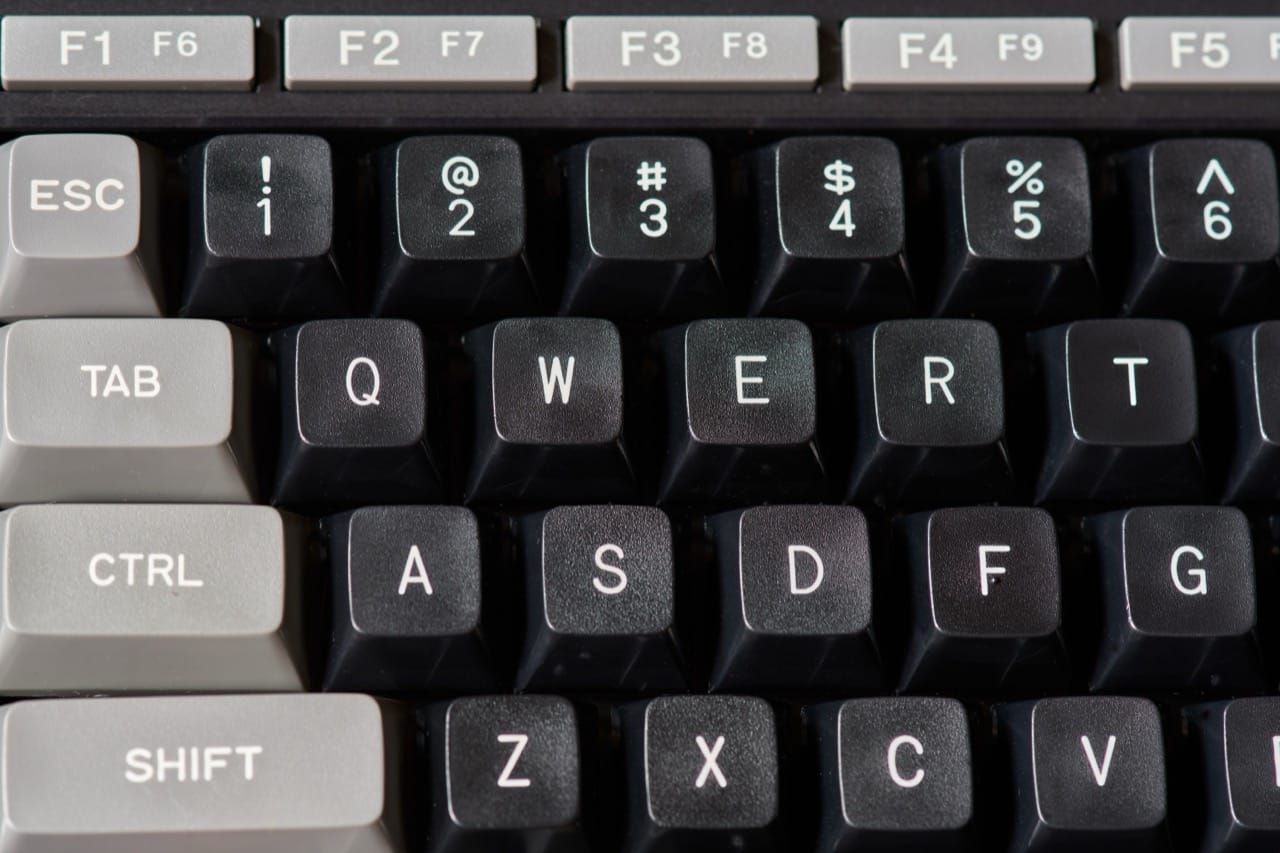
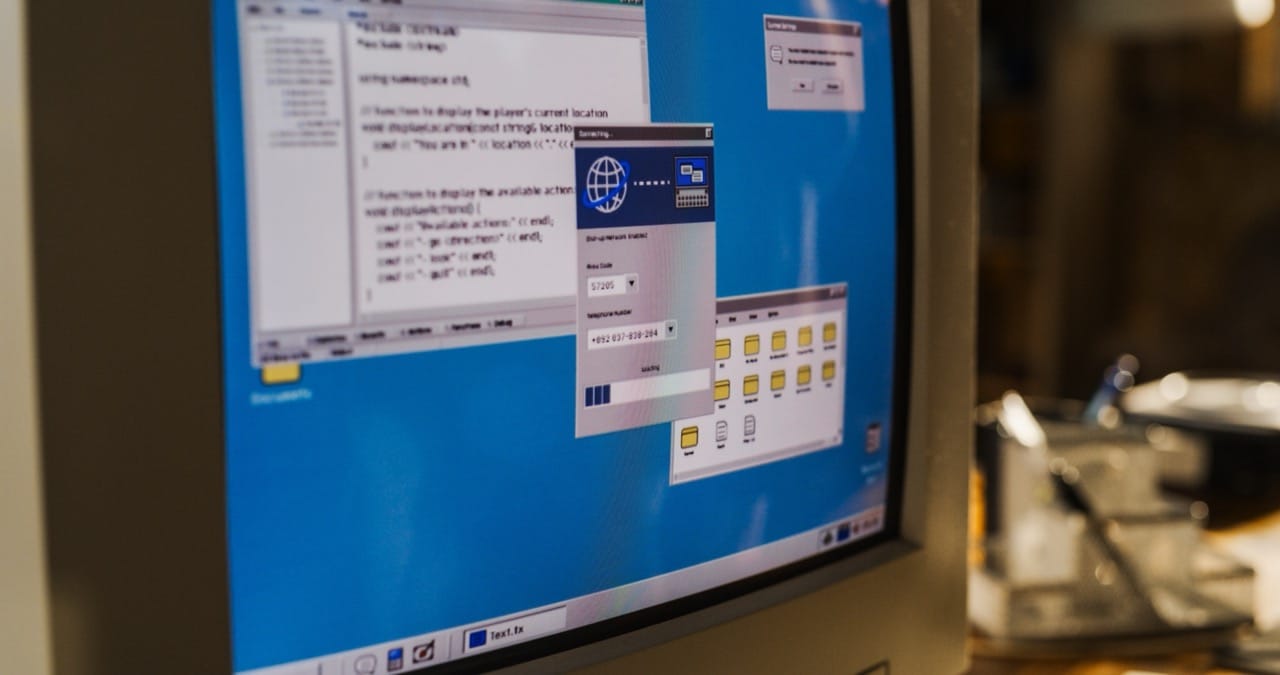
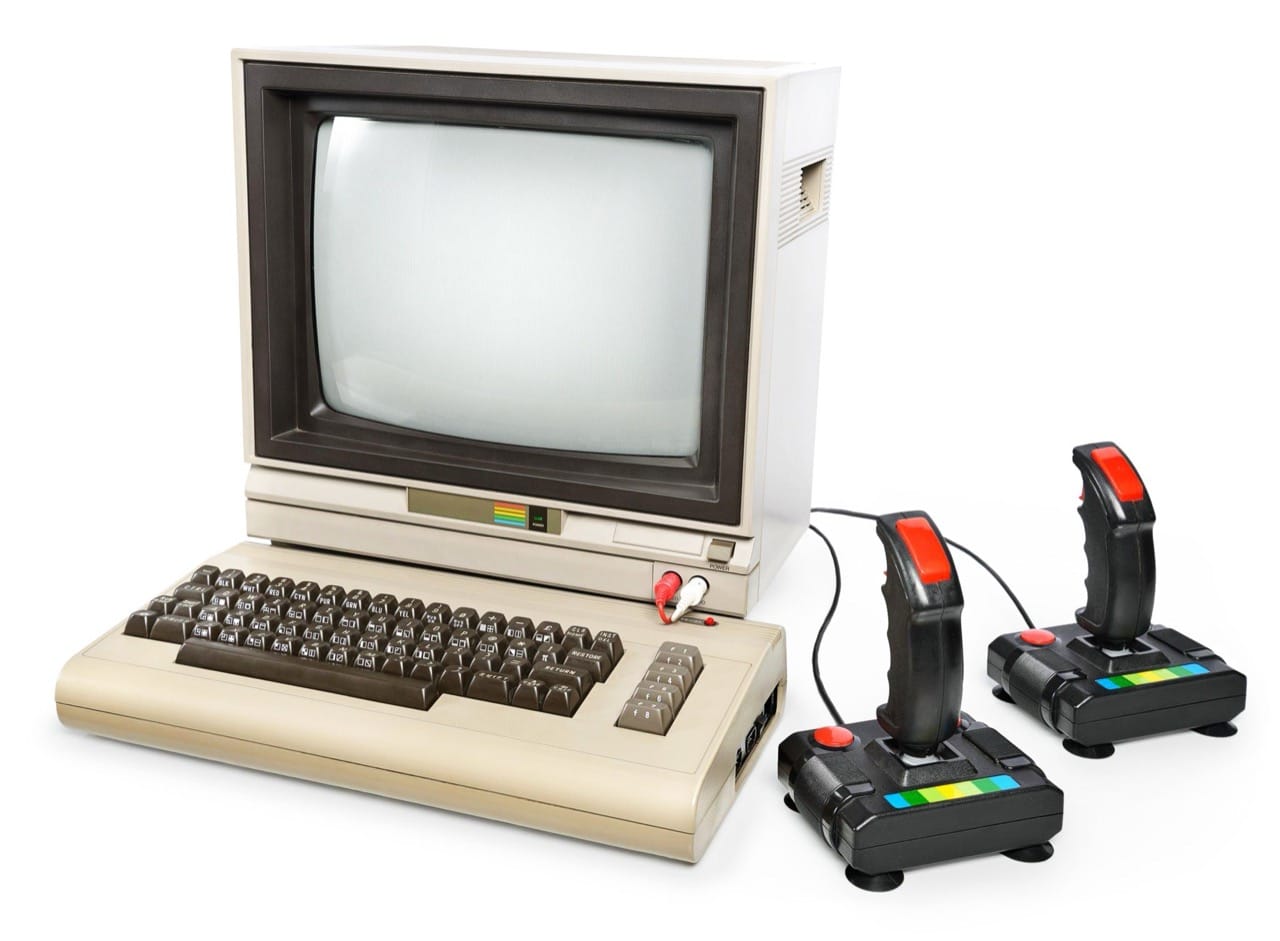
In the 1990s, personal computing stopped feeling like a hobby and started feeling like a household utility, even if it still required a little ritual and patience. Many PCs were beige towers paired with bulky CRT monitors, and the first thing you often learned was that computers did not always start the same way twice. A “boot disk” was a small, precious tool: a floppy containing just enough system files and utilities to get a machine running when the hard drive or operating system refused to cooperate. On DOS and early Windows systems, it could mean the difference between a quick fix and a long afternoon of troubleshooting. Even after Windows 95 made PCs friendlier, the idea of keeping emergency disks around remained common because drivers, memory managers, and finicky hardware could still derail startup.
Storage shaped how people worked. A 3.5-inch floppy disk held about 1.44 MB, which sounds tiny today but was enough for documents, small programs, and the era’s most important currency: homework. Larger files required creativity. People split archives across multiple floppies, used compression formats like ZIP, or carried data on stacks of disks in plastic cases. As the decade progressed, CD-ROM drives became standard and changed everything. Software arrived in large boxes with thick manuals and multiple discs. Installing a game or an office suite could take a while, and it was normal to be prompted to “insert Disc 2” mid-install. Recordable CDs later gave users a way to back up photos and music, but burning a disc was slow, and a single buffer hiccup could ruin it.
The operating system story is a parade of milestones. DOS still mattered early on, especially for games and utilities, while Windows 3.1 introduced many people to icons and Program Manager. Windows 95 brought the Start menu, taskbar, and right-click context menus into everyday life, and it also pushed “Plug and Play” hardware detection. In practice, Plug and Play sometimes felt more like “plug and pray,” particularly with sound cards, modems, and printers. Windows 98 improved USB support and stability for many users, while Windows NT existed in the background as a more robust line aimed at business, foreshadowing the more stable Windows versions that would later dominate.
Then came the internet, with its own sounds and customs. Dial-up modems negotiated connections with a chorus of screeches, and the phone line was often tied up while you were online. Speeds like 14.4, 28.8, and 56 kbps made patience a skill, and web pages were designed around small images, simple layouts, and careful use of bandwidth. Email and chat became daily habits, while early search engines and web directories helped people navigate a web that still felt like a frontier.
The browser wars defined how the web evolved. Netscape Navigator popularized the graphical web and became synonymous with browsing in the mid-1990s. Microsoft’s Internet Explorer, bundled with Windows, rapidly gained market share and pushed the competition into a fast cycle of new features. This era brought both innovation and headaches: sites sometimes worked best in one browser, and “best viewed in” badges were common. Under the hood, standards were still settling, so HTML, JavaScript, and plug-ins like Shockwave and Flash could behave unpredictably. The fight influenced everything from web design to legal debates about bundling software.
Looking back, 1990s computing was a mix of excitement and fragility. People learned to manage drivers, disks, and settings because they had to, and that hands-on experience made the decade memorable. A True or False quiz about boot disks and browser wars is really a quiz about how quickly everyday technology changed, and how much of that change happened right on kitchen desks and bedroom floors, one reboot at a time.