Boot Disks to Browsers 1990s Computer Trivia



Quiz Complete!
Boot Disks to Browsers: Everyday Computing in the 1990s
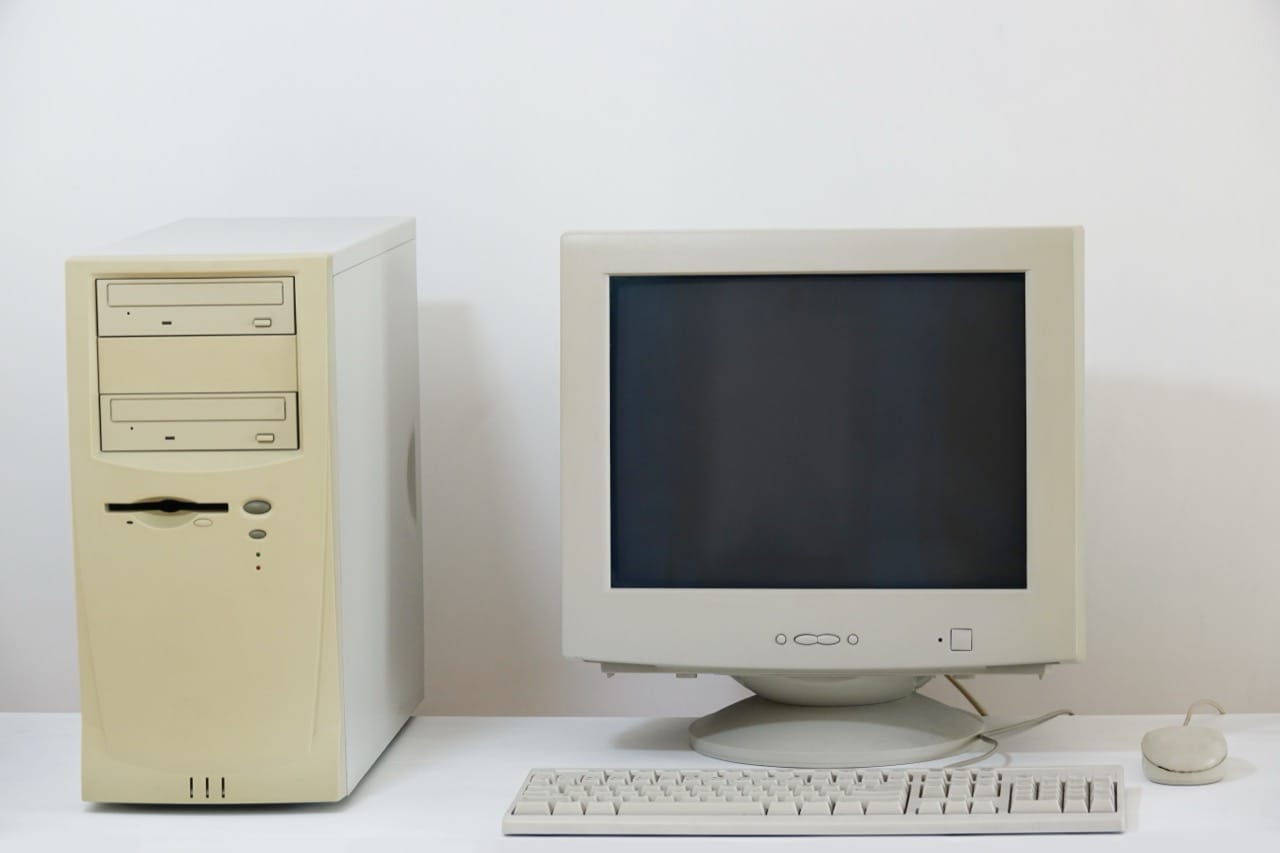
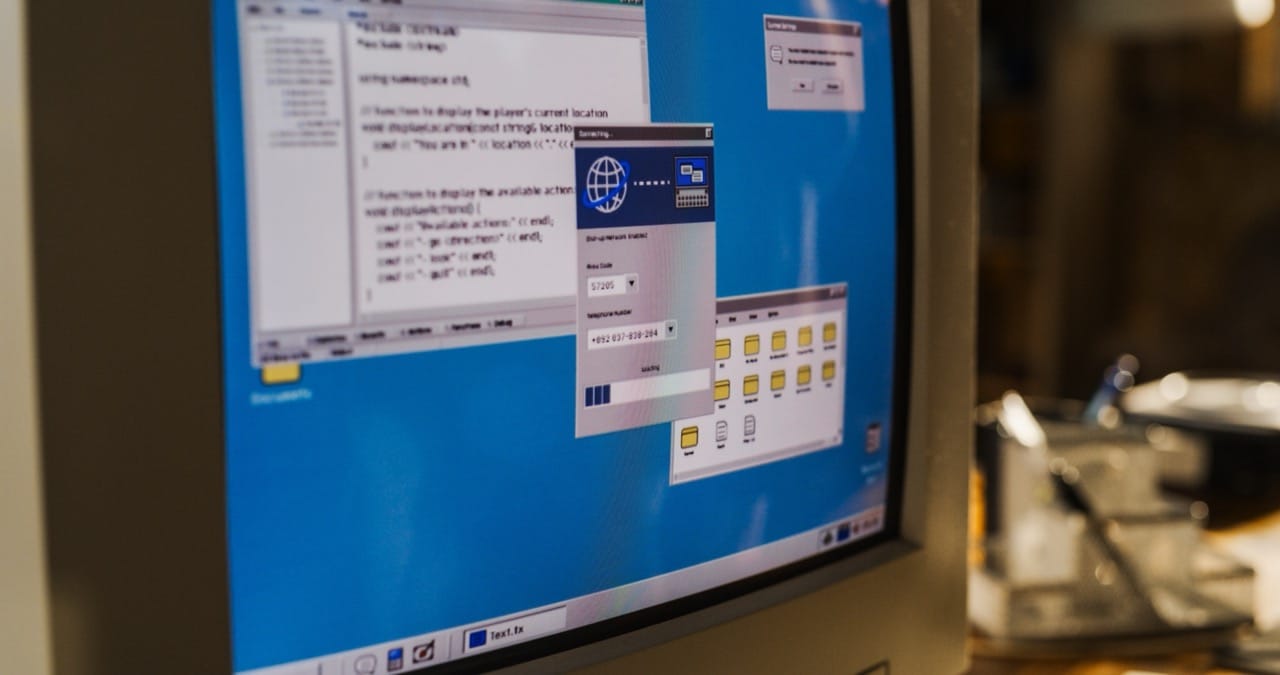
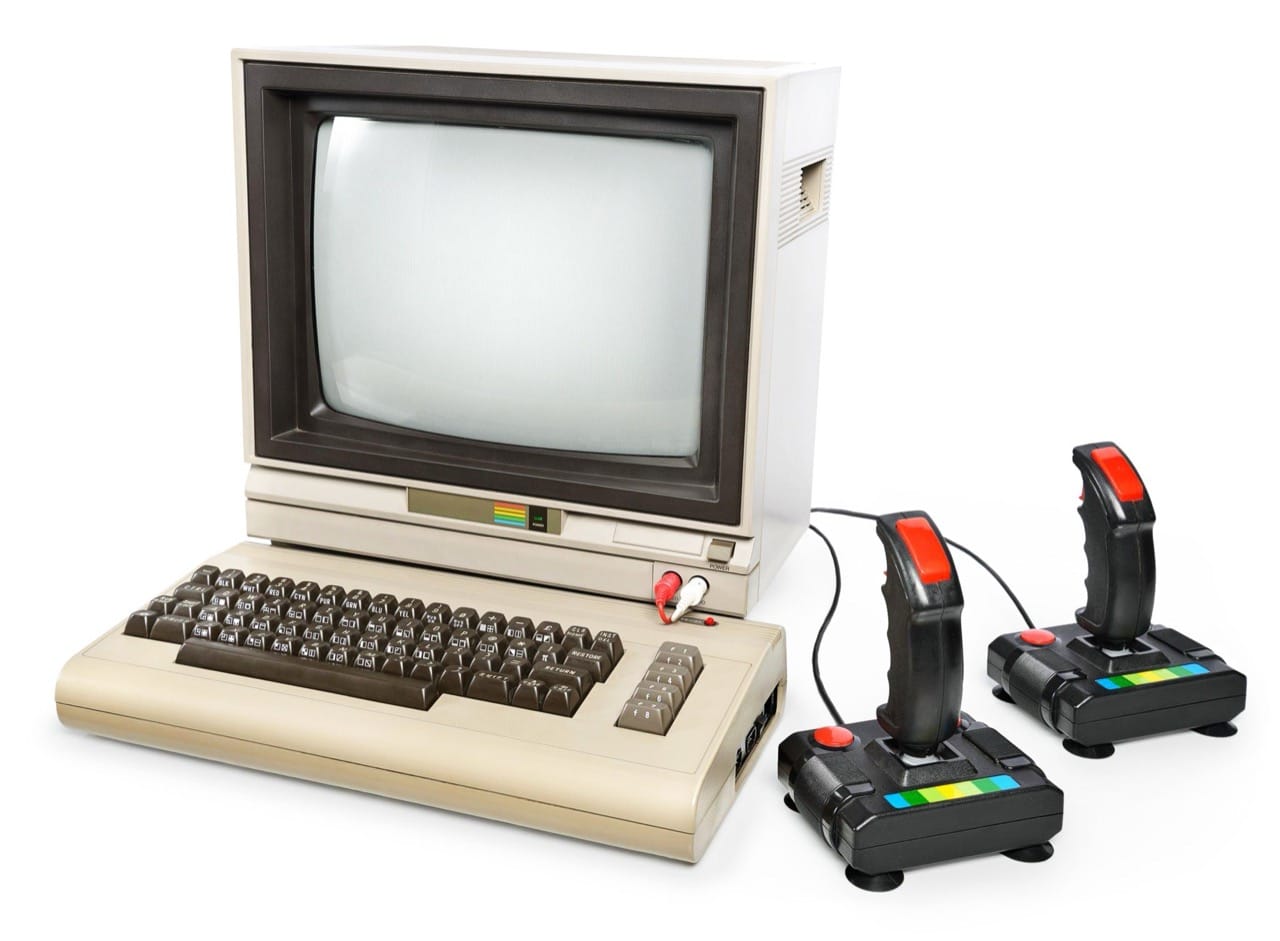
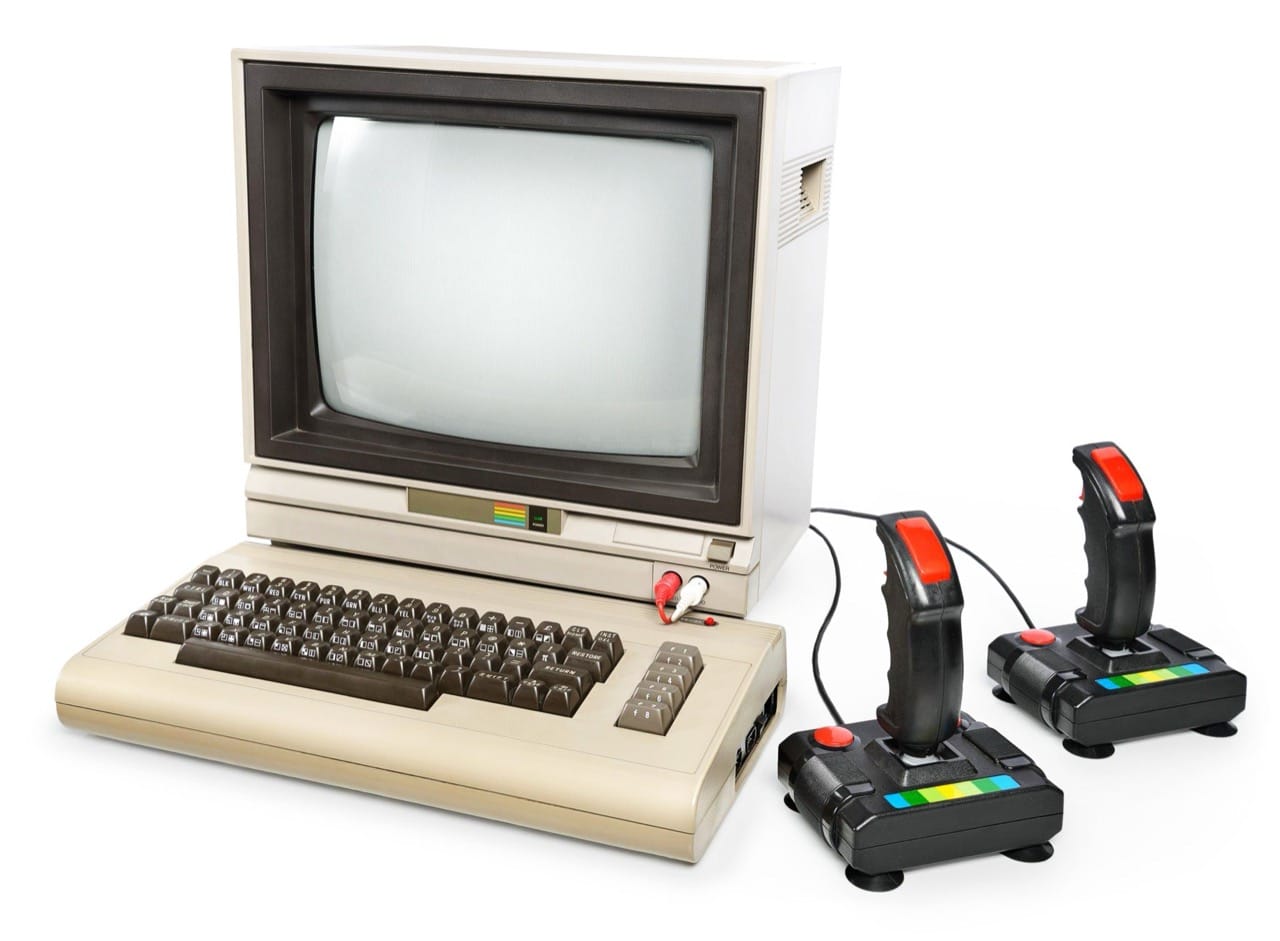
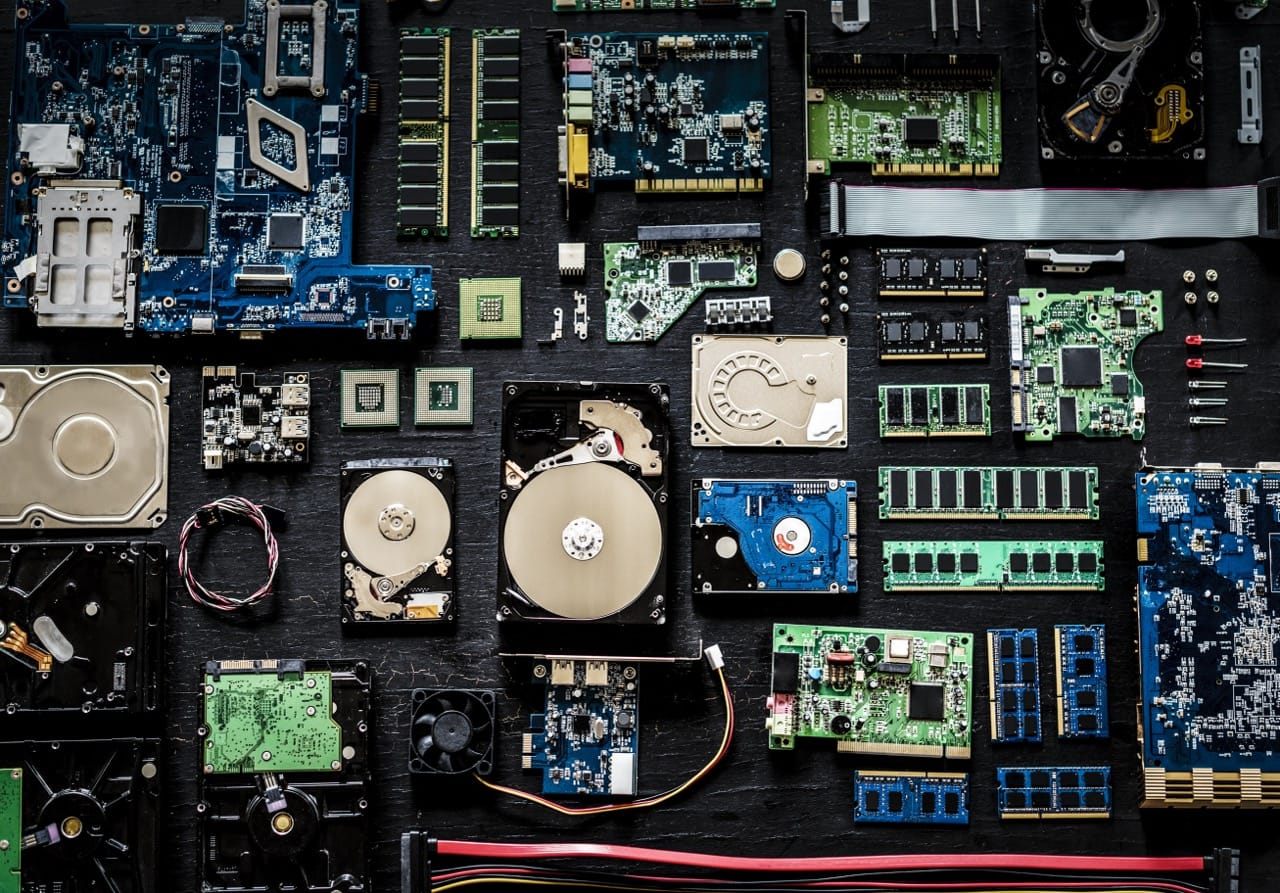
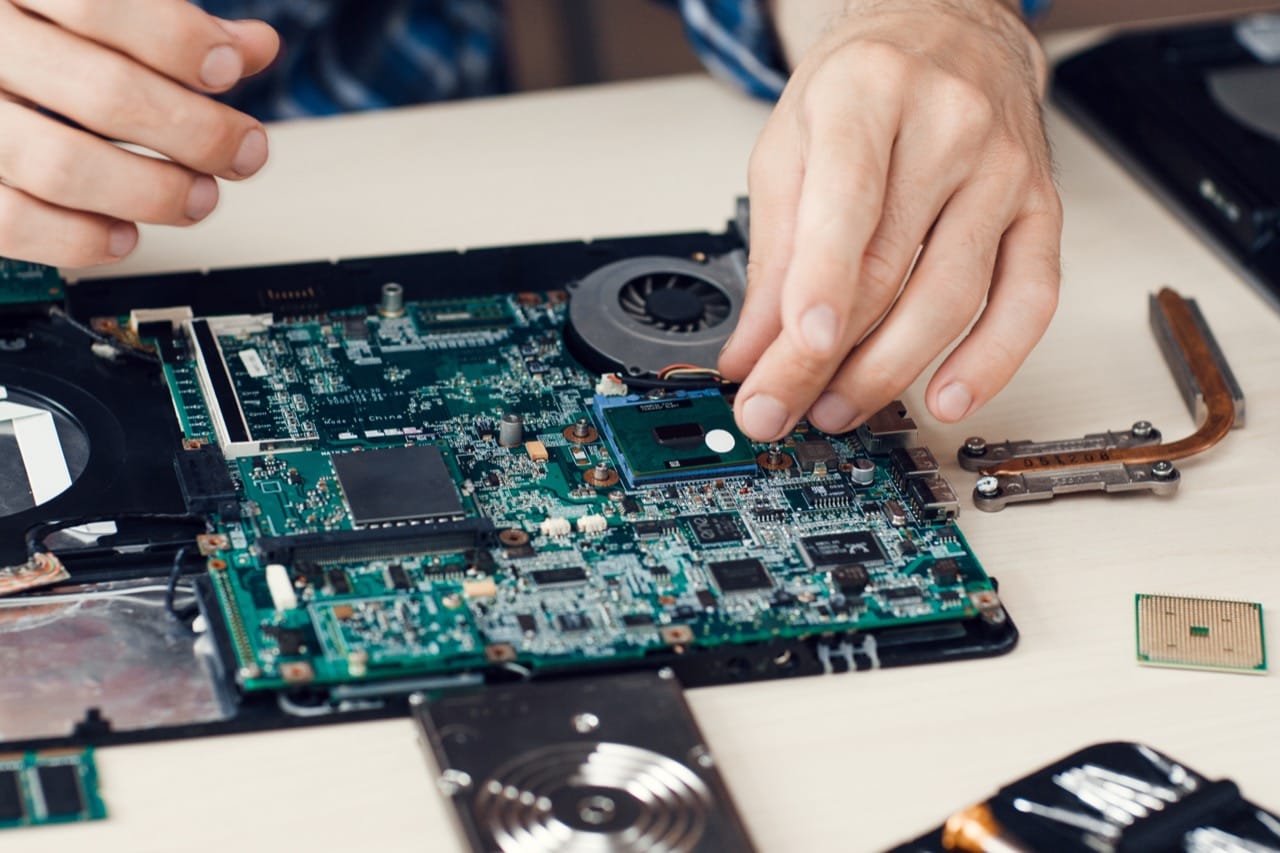
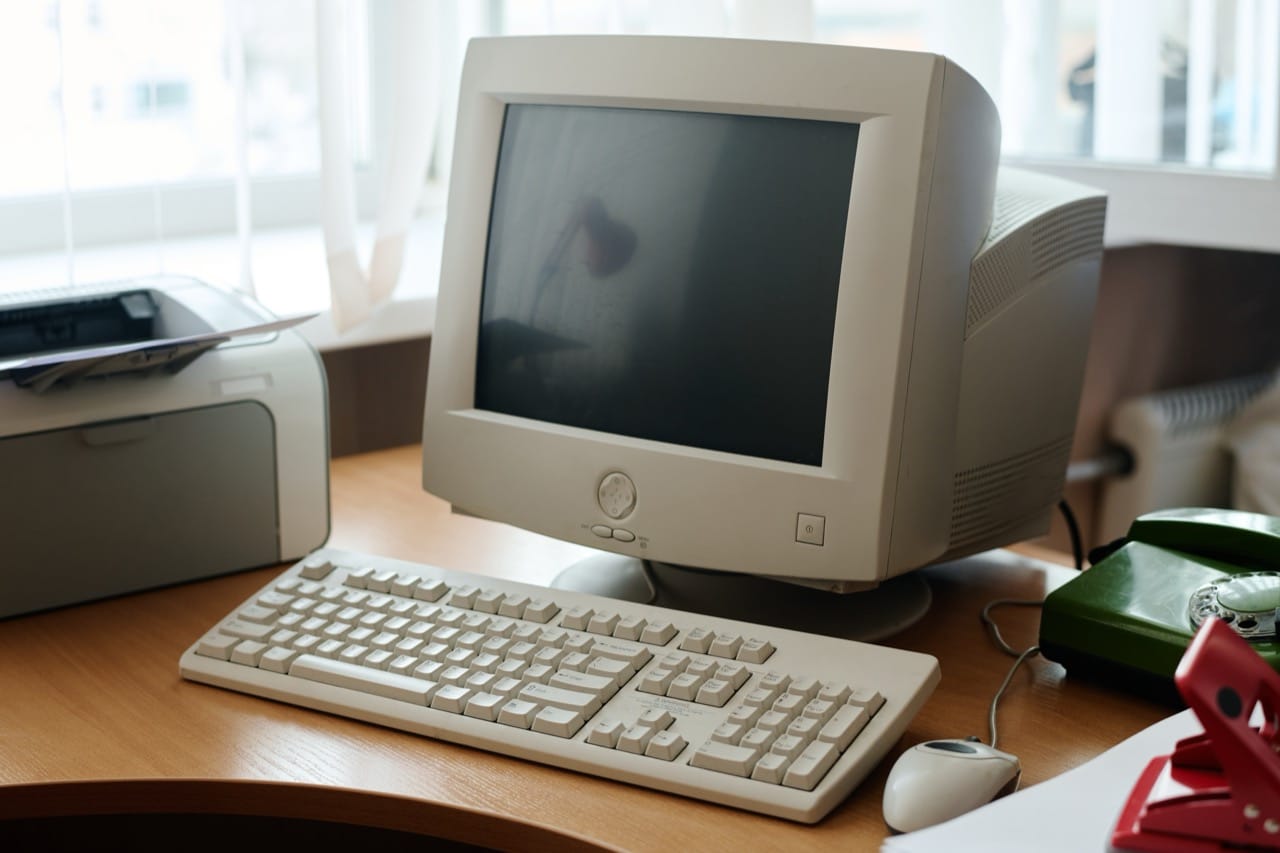
The 1990s were the decade when personal computing stopped feeling like a hobbyist niche and started becoming a daily utility. Many homes and schools had sturdy beige desktops with chunky CRT monitors, and turning a computer on could feel like a small ceremony. You might hear the hard drive spin up, watch lines of text appear, and sometimes reach for a boot disk if the system refused to cooperate. In the early part of the decade, MS-DOS still mattered, and even when Windows became more common, it often sat on top of DOS. That is why people learned practical commands, cared about CONFIG.SYS and AUTOEXEC.BAT, and knew the difference between conventional memory and the expanded or extended memory needed by larger programs.
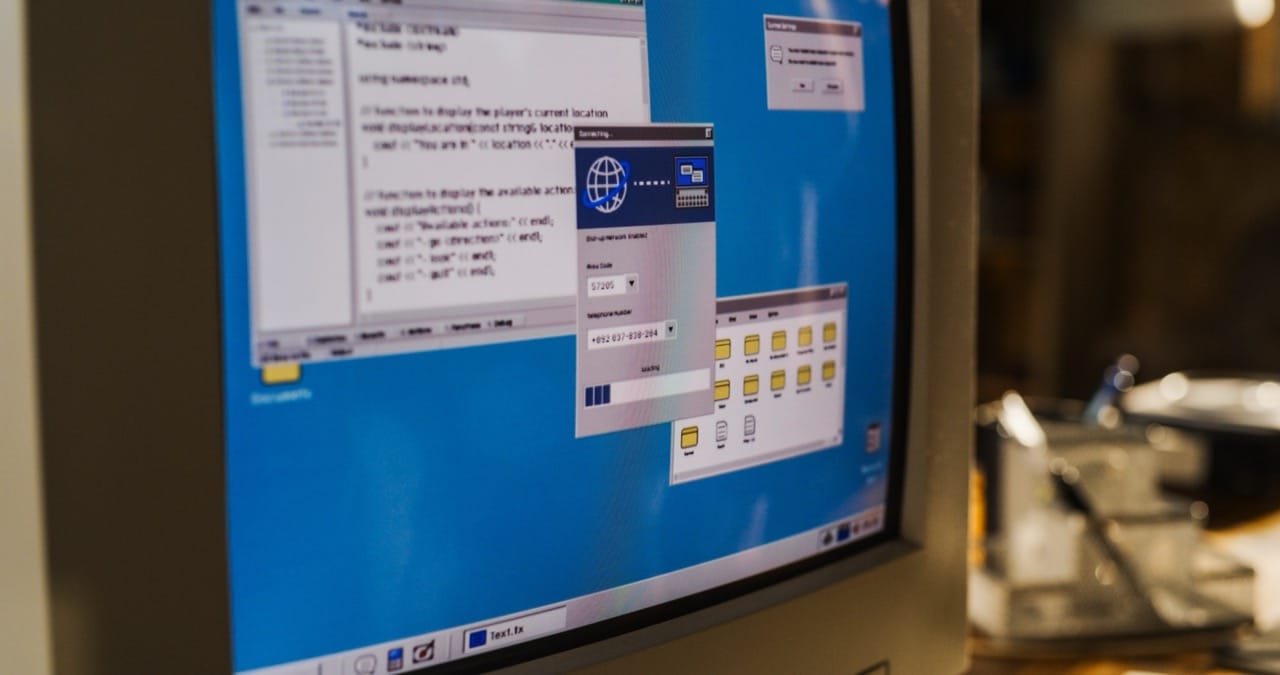
Microsoft’s Windows releases defined much of the era’s rhythm. Windows 3.1 made graphical computing feel more mainstream, but Windows 95 was the cultural earthquake, bringing the Start menu, taskbar, and a new sense that a PC could be navigated visually rather than memorized. Windows 98 polished that experience and leaned further into internet features, while Windows NT and later Windows 2000 (arriving at the edge of the decade) hinted at a more stable, business-ready future. Meanwhile, the Mac world had its own loyal following, and Linux began spreading beyond universities as curious users discovered that an operating system could be free, customizable, and community-driven.
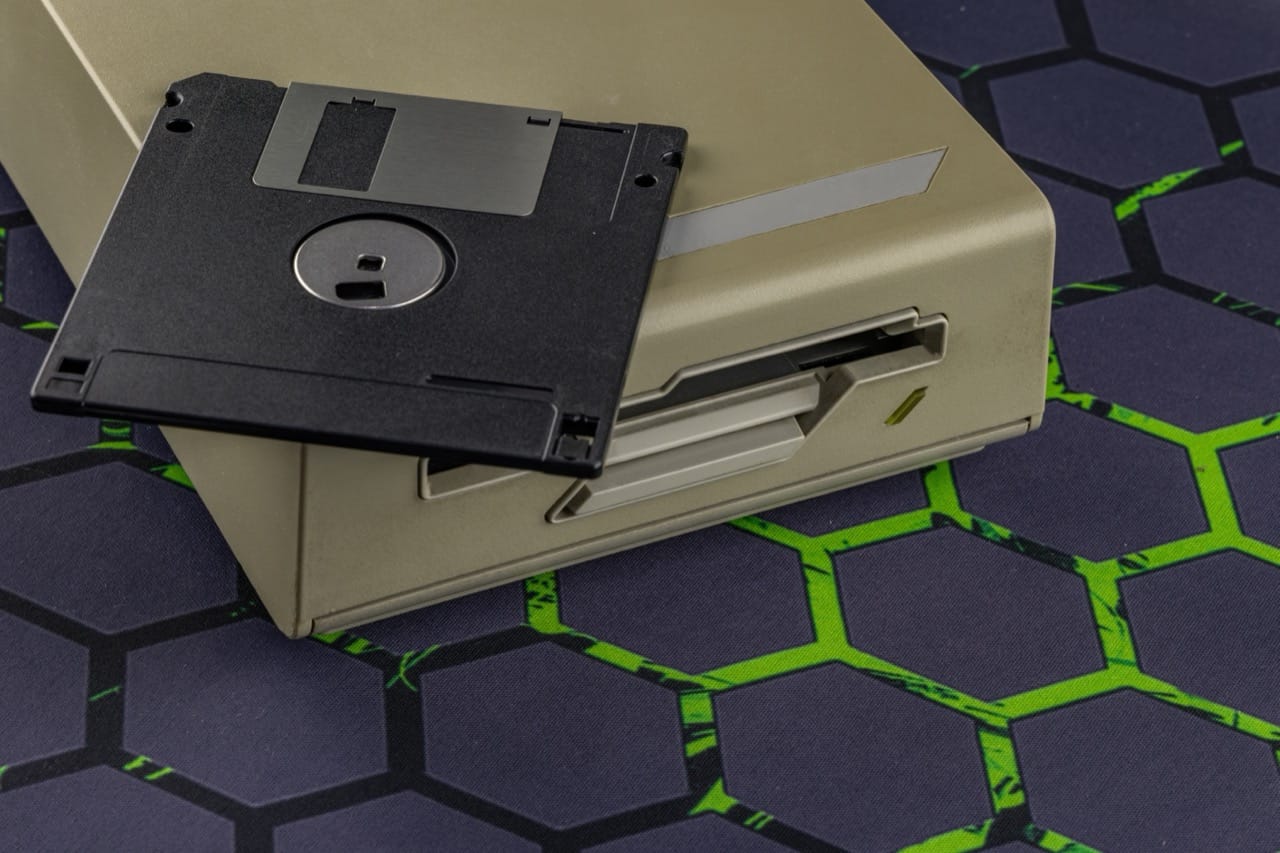
Storage in the 1990s was tangible. The 3.5-inch floppy disk became a symbol of saving work, even though it held only 1.44 MB, barely enough for a few photos by today’s standards. Before that, some systems used larger 5.25-inch floppies that were genuinely floppy. As software grew, CD-ROMs became the new delivery truck for games, encyclopedias, and big applications, and the phrase multimedia PC often meant you had a sound card and a CD drive. Zip drives offered a popular middle ground with 100 MB disks, and near the end of the decade, rewritable CDs and early USB storage began to change how people moved files.
Nothing captures 1990s computing like dial-up internet. A modem turning phone lines into data brought that unmistakable handshake sound and the reality that being online tied up the household telephone. Speeds like 14.4, 28.8, and 56 kbps shaped behavior: images loaded line by line, downloads were planned around bedtime, and getting disconnected meant starting over. Email addresses became part of everyday identity, often tied to an internet service provider. People learned what attachments were, why you should not open suspicious ones, and how to write messages that did not feel too formal or too abrupt.
The web itself was young and competitive. Netscape Navigator and Internet Explorer battled for dominance, and browser features like bookmarks, cache, cookies, and JavaScript were new concepts for the public. Search engines evolved quickly, from early directories and keyword tools to the rise of Google’s cleaner results near the decade’s end. File formats also became household knowledge: JPEGs for photos, GIFs for simple graphics, MP3s for compressed music, and PDFs for documents that looked the same on different machines.
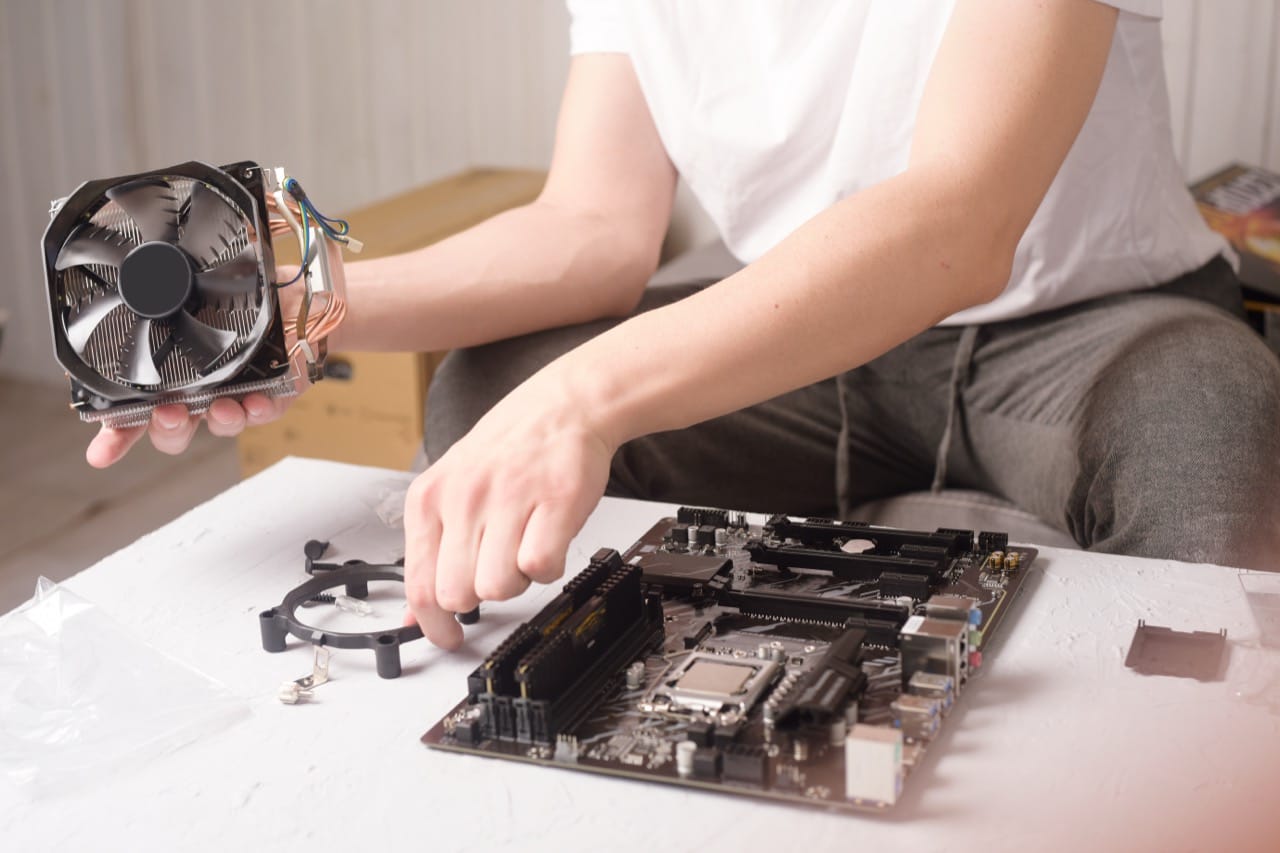
Home networking started to appear as people tried to share a printer or a single internet connection. Ethernet cards, coaxial cabling, and later the first consumer Wi-Fi gear introduced basic ideas like IP addresses, routers, and firewalls. Looking back, the 1990s taught millions of people how computers really worked, not just how to use them. That mix of hands-on troubleshooting, rapid innovation, and early web excitement is exactly what makes 1990s computer trivia so satisfying.