Break the Byte Barrier 90s Tech Records










Quiz Complete!
Breaking the Byte Barrier: The 1990s Race for Tech Records
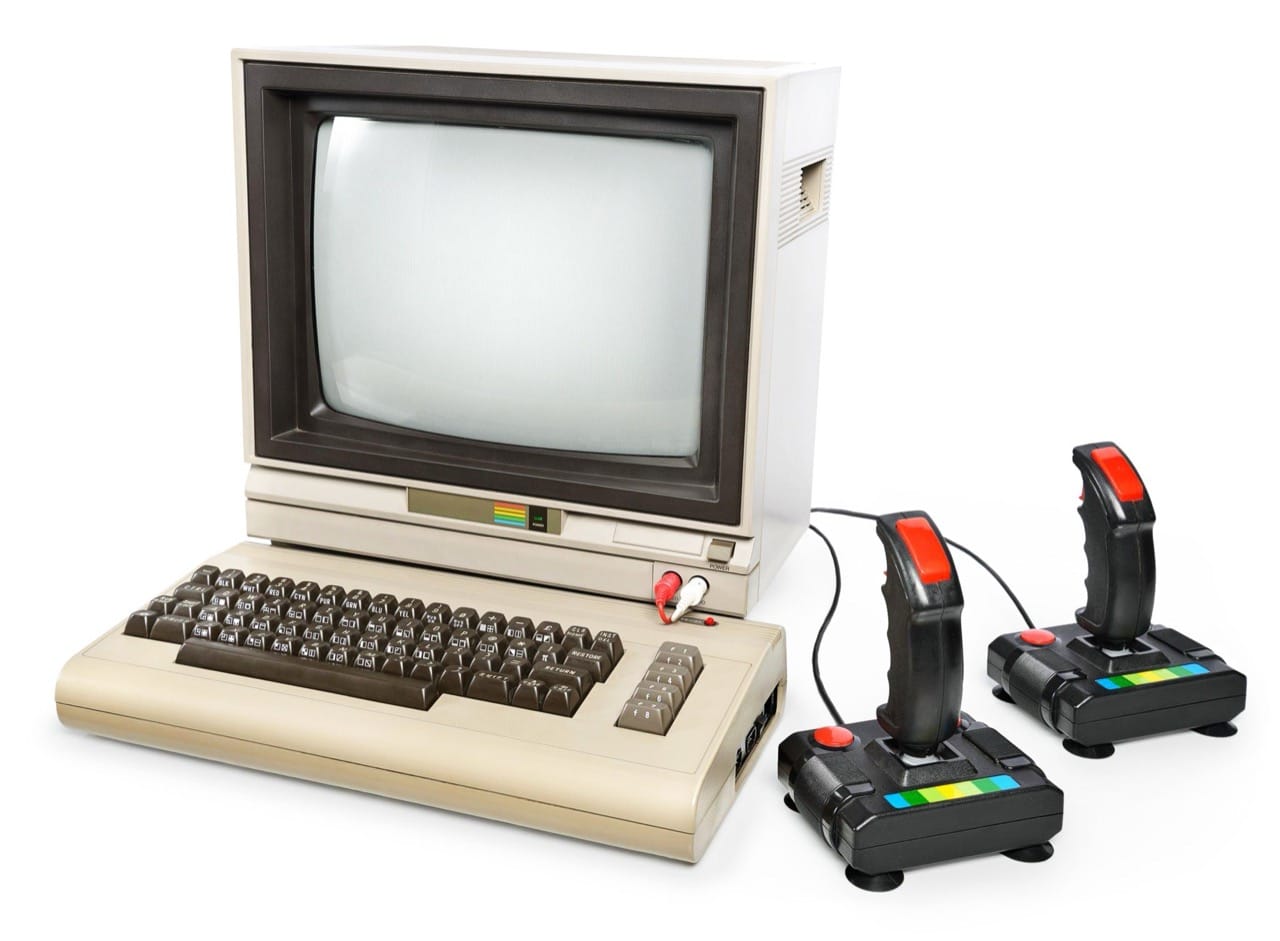
The 1990s felt like a decade-long sprint where technology kept setting new records and then immediately breaking them. At the start of the era, many households still relied on floppy disks and noisy dial-up modems. By the end, the internet was mainstream, laptops were common, and the idea of a computer doing a trillion calculations per second no longer sounded like science fiction.
Supercomputers were the decade’s loudest bragging rights. In the early 90s, machines like the Thinking Machines CM-5 and various Cray systems pushed parallel processing into the spotlight, but the headline-grabbers were the systems that climbed the TOP500 rankings as performance exploded. The word to know was teraflop, a trillion floating point operations per second. Japan’s Fujitsu Numerical Wind Tunnel was an early speed icon, and later Intel’s ASCI Red at Sandia National Laboratories became famous for being the first widely recognized system to surpass one teraflop on a real-world benchmark in 1997. That milestone mattered because it signaled that massive simulation, from nuclear stewardship to climate modeling, was becoming a practical tool rather than a distant goal.
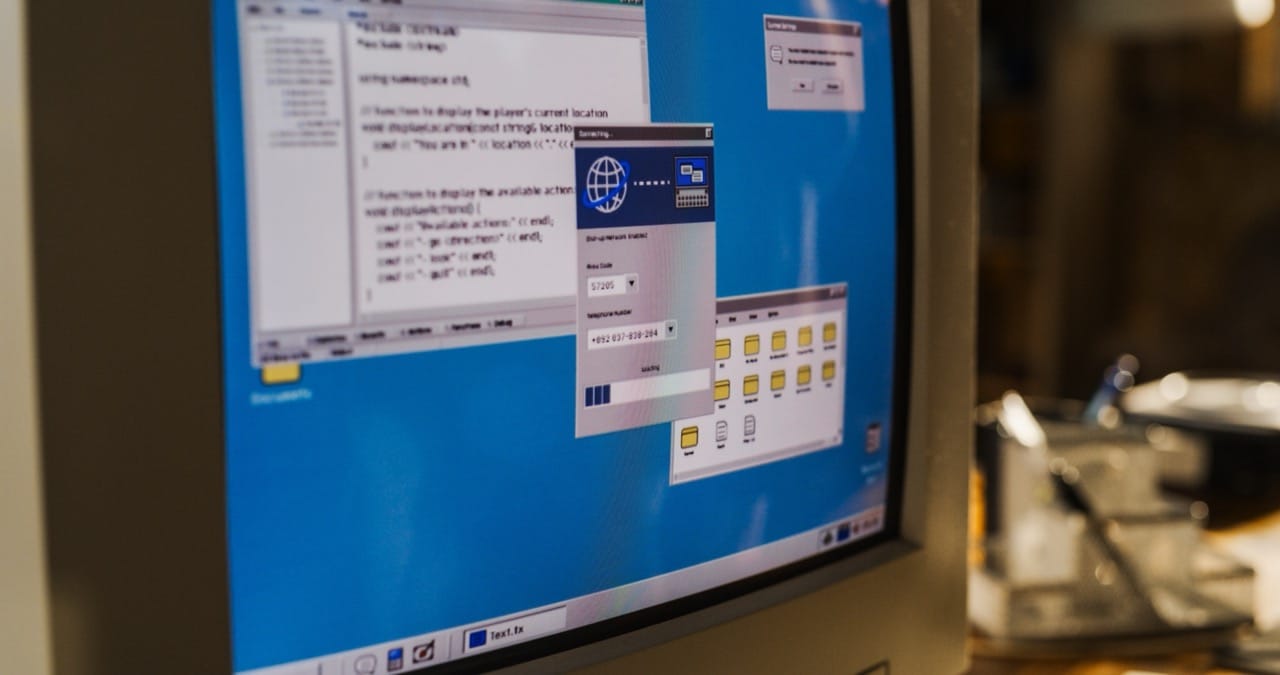
While supercomputers chased teraflops, everyday users watched the World Wide Web take off. Tim Berners-Lee created the web’s foundations earlier, but the 90s delivered the breakthrough moment when browsing became simple enough for non-experts. Mosaic, released in 1993, popularized inline images and a friendlier interface, helping the web leap from academic circles into popular culture. Netscape Navigator followed in 1994 and quickly became the browser many people associated with “going online,” until Microsoft’s Internet Explorer ignited the browser wars. The decade also introduced the idea of searching the web at scale: Yahoo began as a curated directory, while search engines like AltaVista showed how fast automated indexing could feel compared to clicking through lists.
Connection speeds became their own kind of record. Many people started with 14.4 or 28.8 kbps modems, then celebrated the jump to 56k, even though real-world speeds often fell short. At the same time, businesses and universities adopted faster links, and home broadband began to appear in the late 90s through cable and DSL. Each step up changed behavior: images loaded sooner, music files became shareable, and websites grew more ambitious.
Storage bragging rights shifted from “How many floppies do you have?” to “How many CDs can you burn?” A floppy disk typically held about 1.44 MB, while a CD-ROM stored around 650 to 700 MB, a leap that enabled multimedia encyclopedias, games with full-motion video, and huge software bundles. Late in the decade, the DVD arrived with several gigabytes per disc, setting the stage for digital video at home. Hard drives also ballooned, turning gigabytes from a luxury into an expectation.
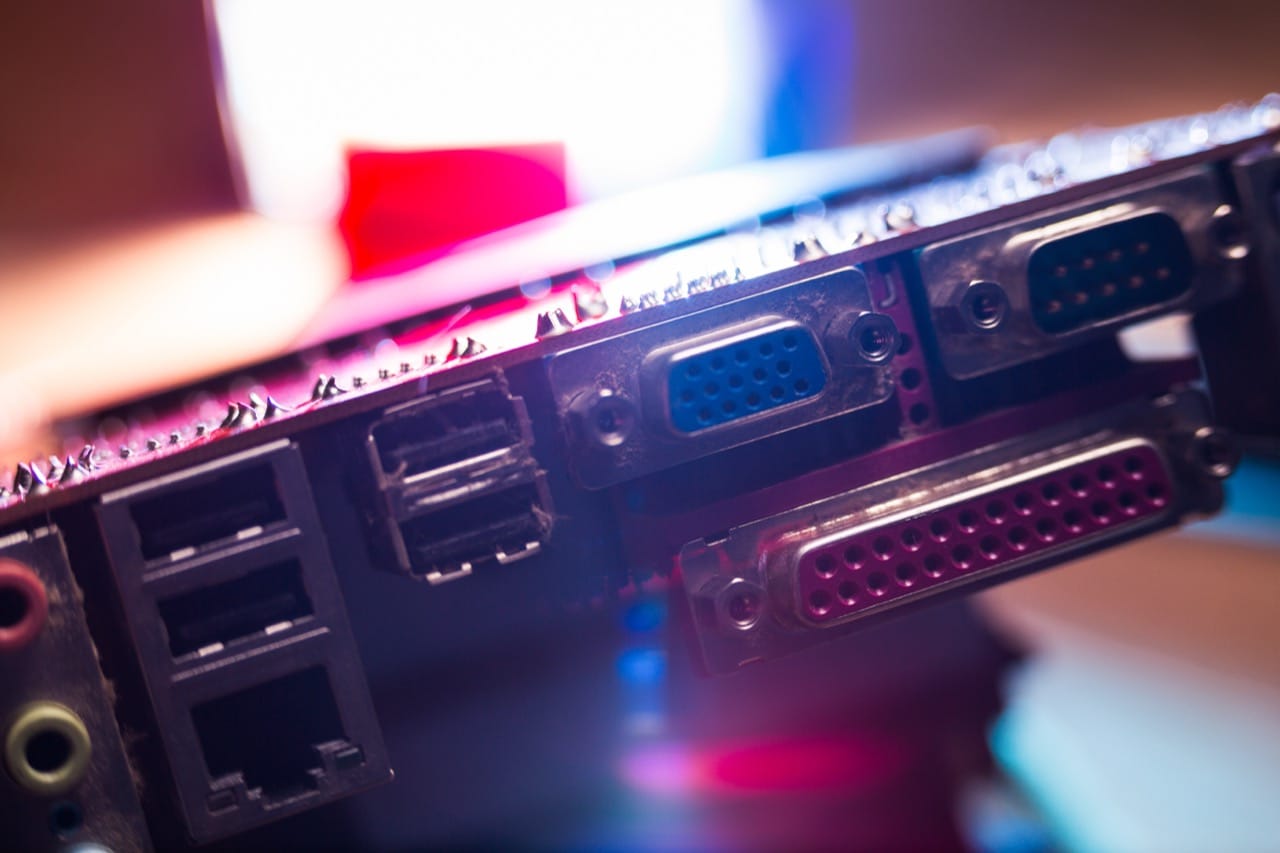
Standards and gadgets quietly set records too. The first widely used Wi-Fi standard, 802.11, appeared in 1997, and USB began simplifying the messy world of ports and peripherals. Mobile phones shrank, batteries improved, and the first wave of consumer digital cameras hinted that film would not remain king forever. Even gaming joined the arms race, with 3D graphics accelerators transforming PCs into machines that could render worlds once reserved for arcades.
What makes 90s tech records fun to remember is how quickly “unbelievable” became normal. The decade taught people to expect rapid change, and many of its milestones, from web browsers to USB to teraflop computing, still shape how modern technology is built and measured.