Cybercafes to Clippy 90s Computer Culture Quiz
Quiz Complete!
Beige Towers and Dial Up: How 1990s Computer Culture Became Everyday Life
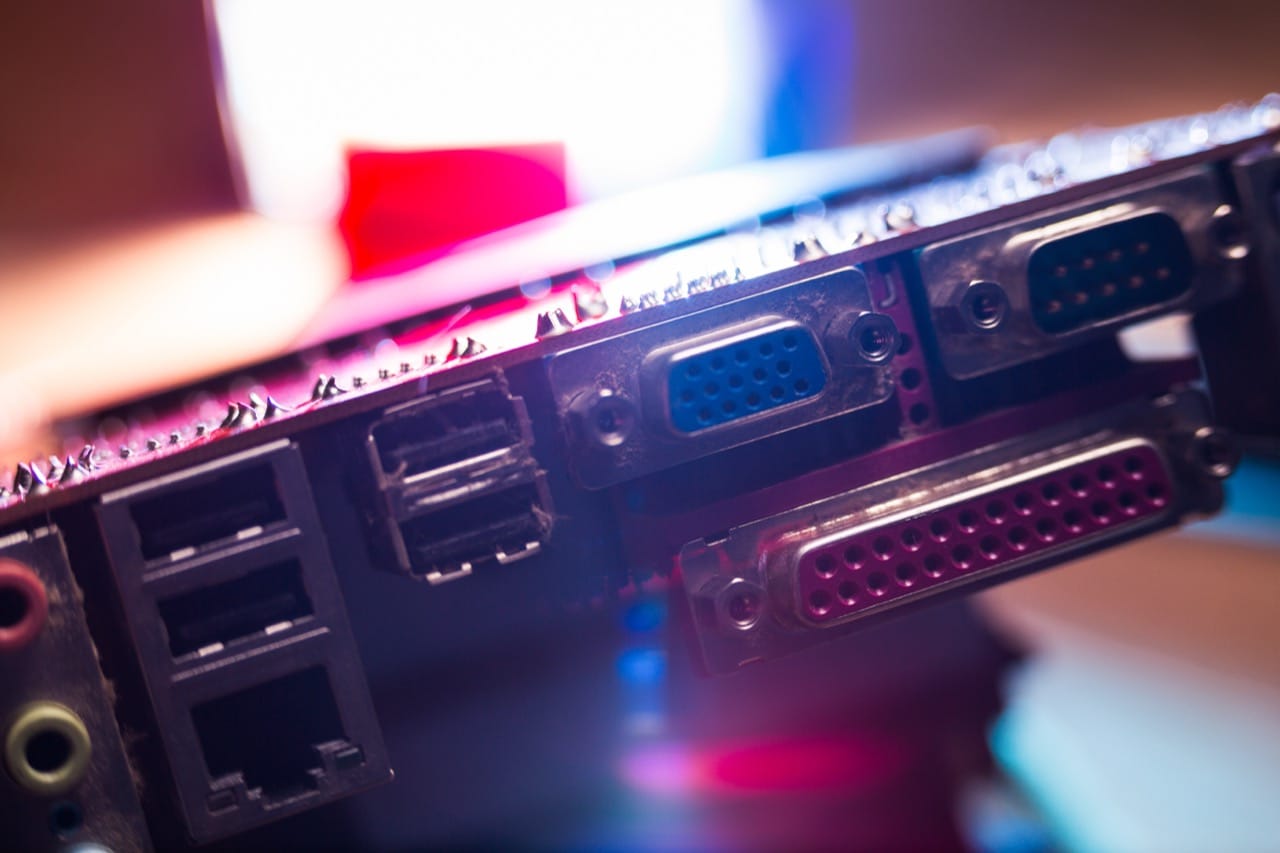
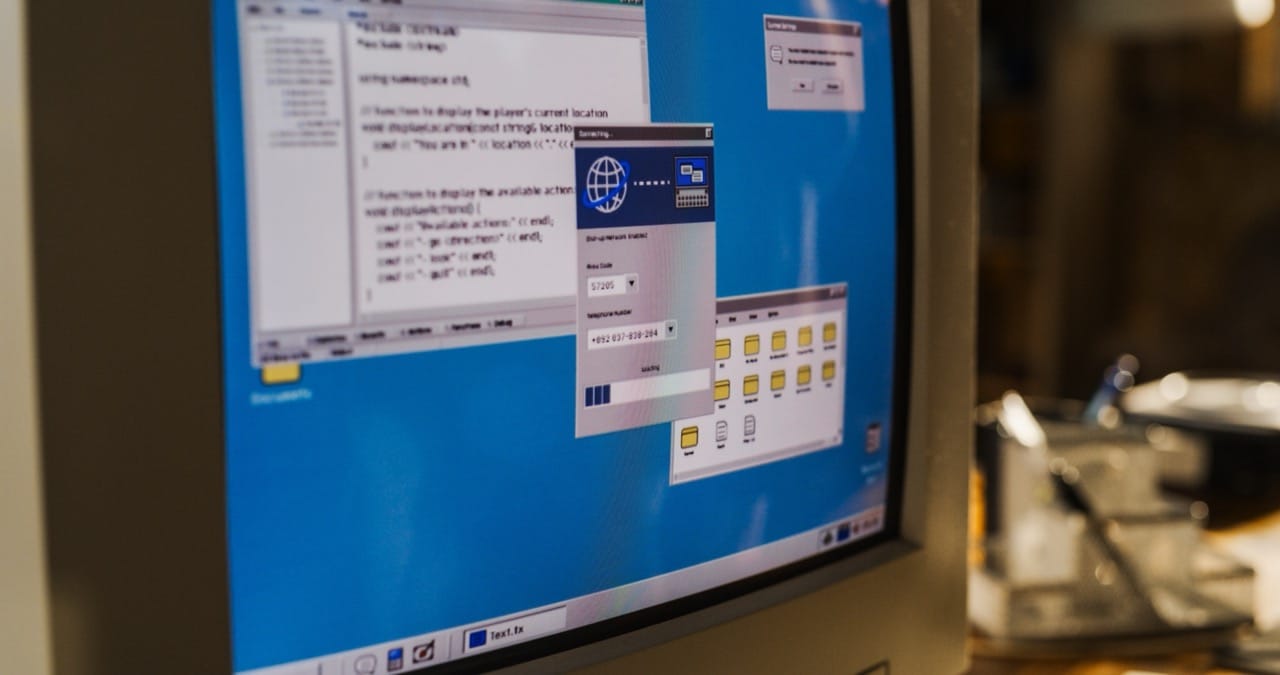
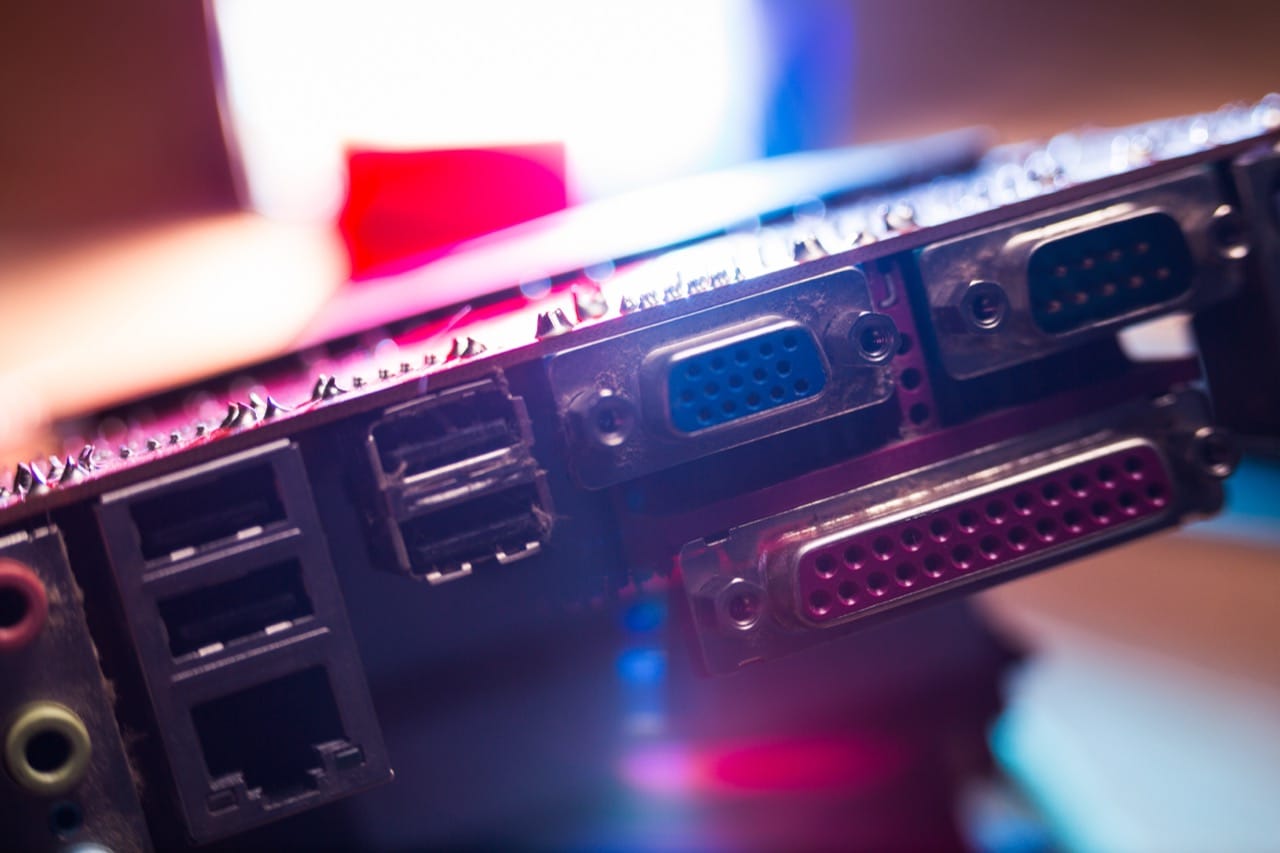
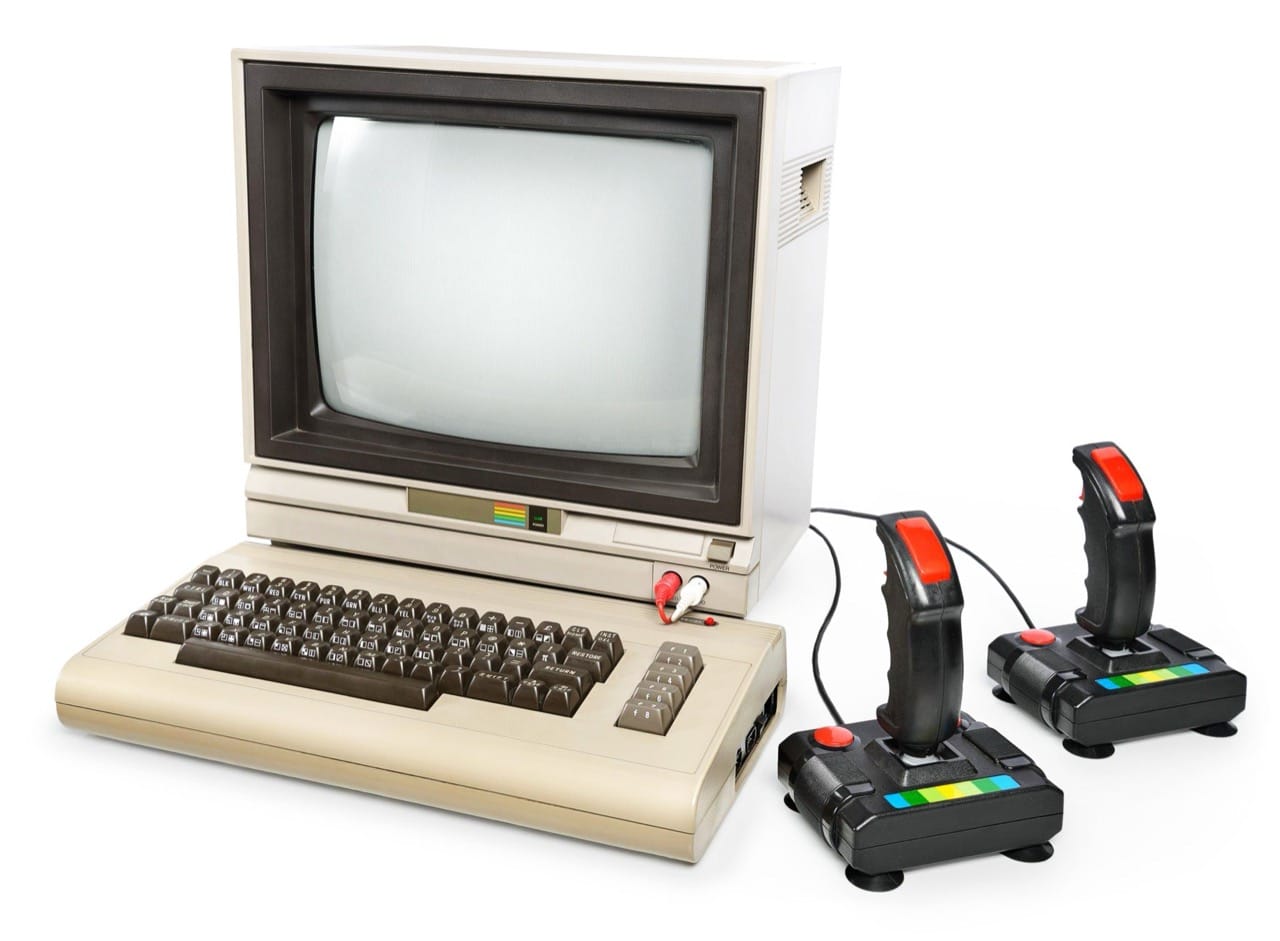
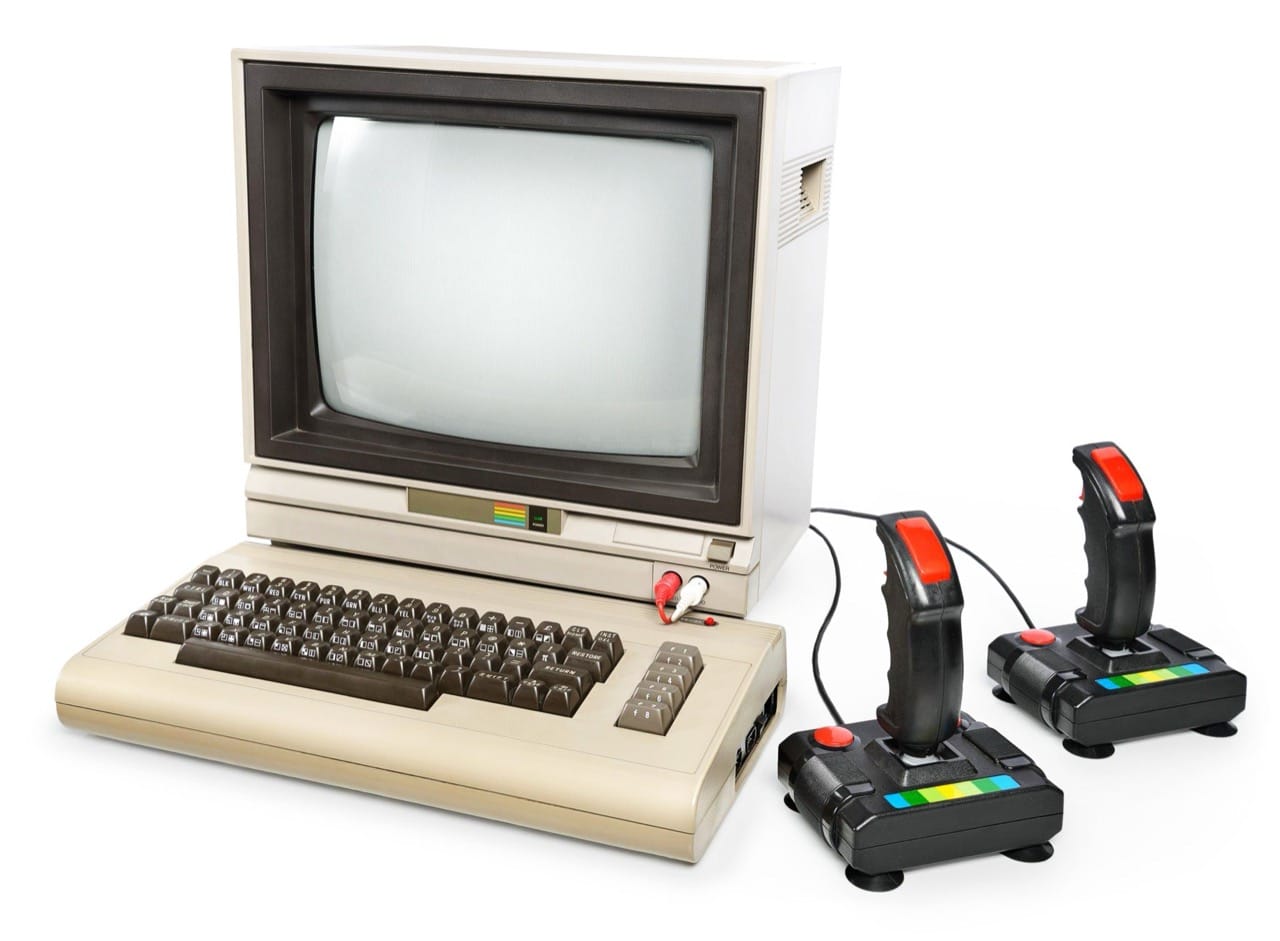
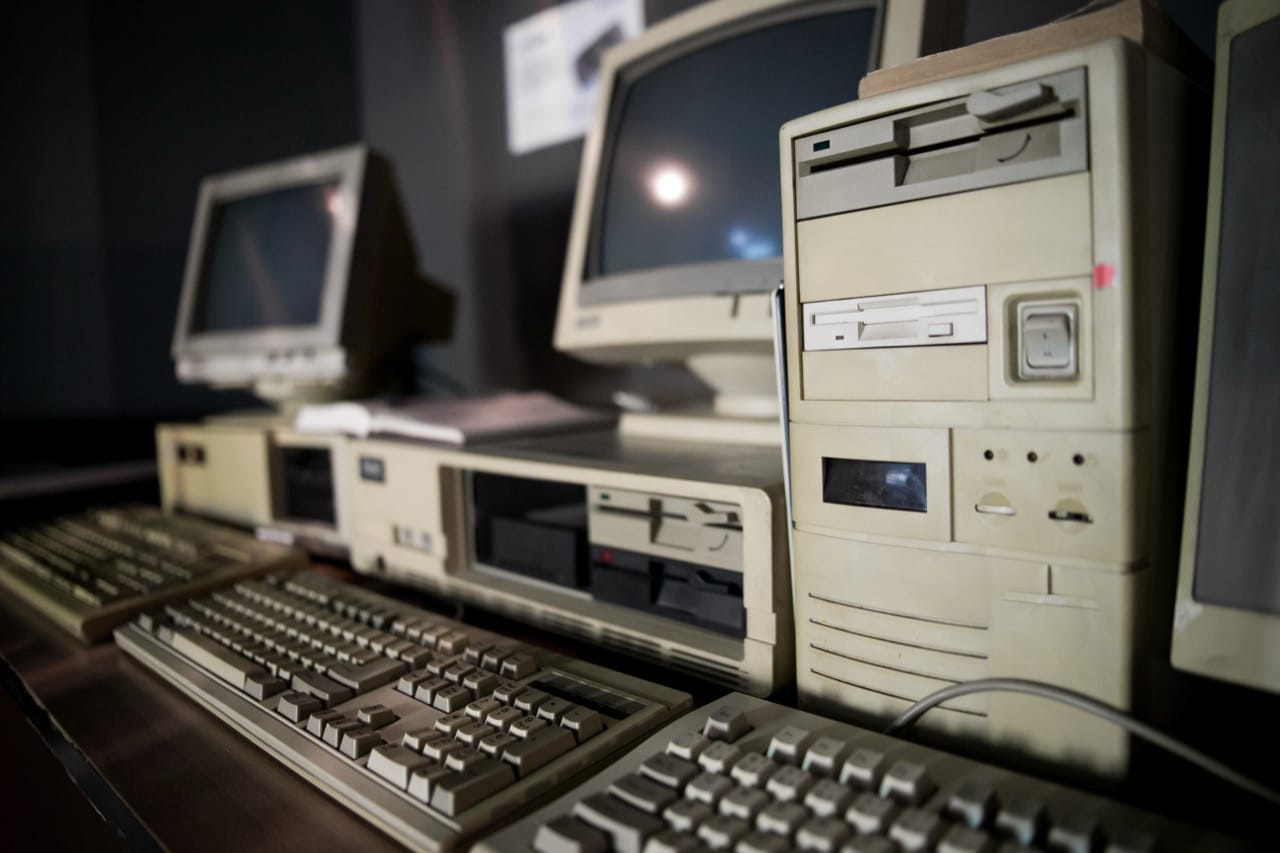
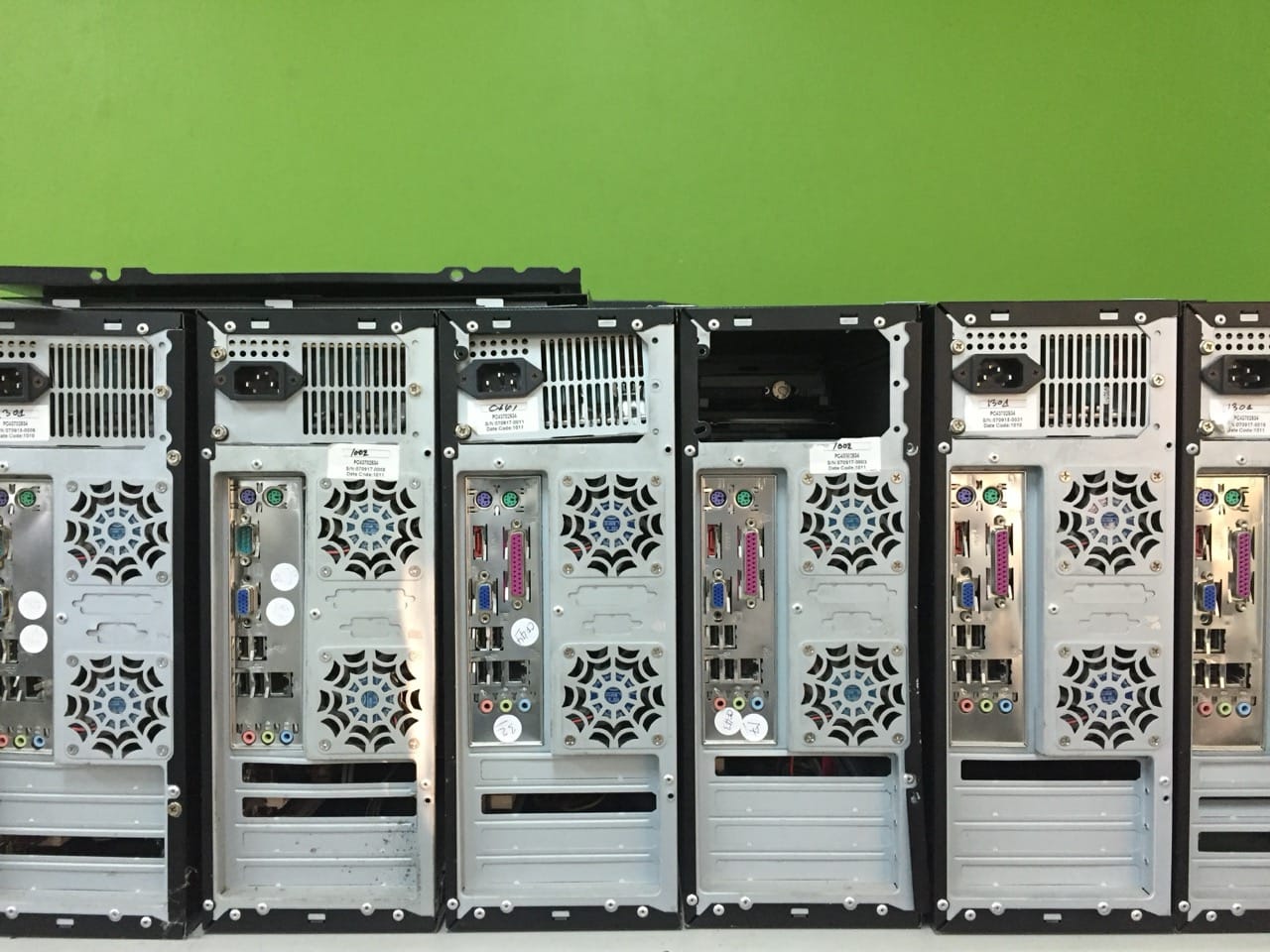
In the 1990s, computers stopped feeling like distant office machines and started becoming part of daily life. Many households met the decade through a beige desktop tower, a bulky CRT monitor, and a mouse pad that doubled as decoration. Booting up could be its own ritual: the whir of a hard drive, a startup chime, and the suspense of whether everything would load correctly. People learned quickly that computers had moods, and that saving your work often was less a tip than a survival strategy.
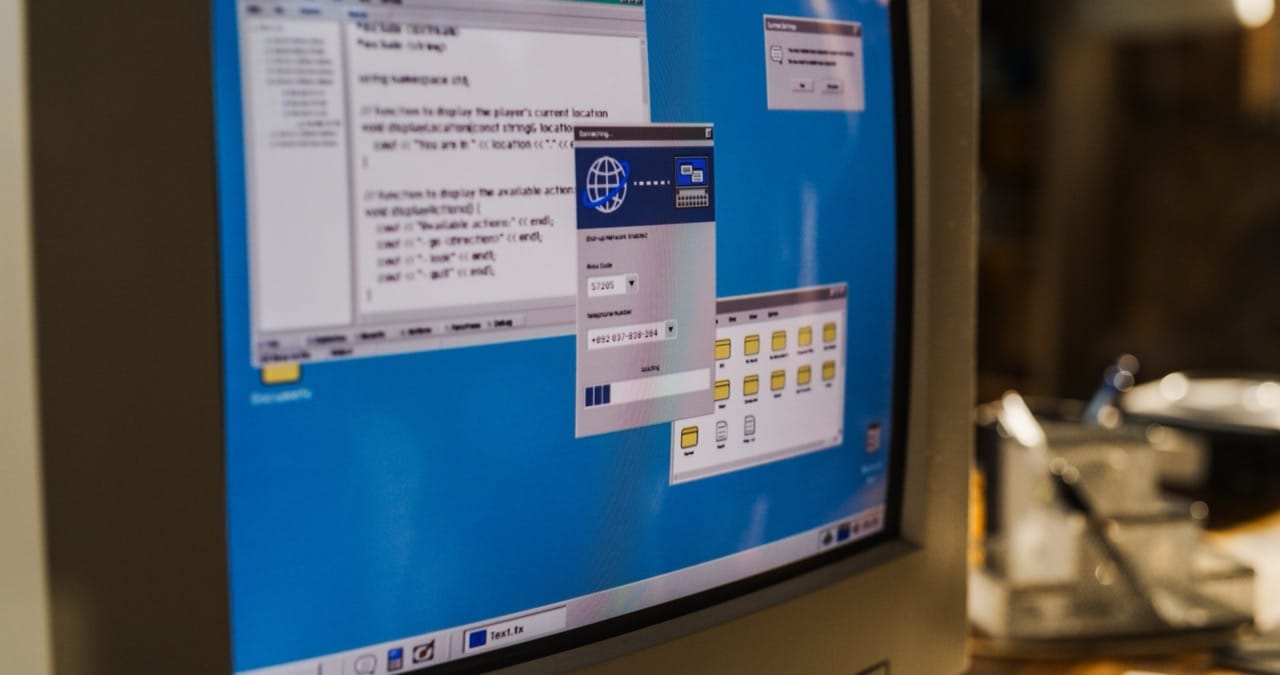
Before constant broadband, the internet arrived with sound. Dial up modems announced themselves with a chorus of beeps and static that many people can still imitate years later. Going online meant tying up the phone line, and families negotiated time like it was a shared appliance. Webpages loaded line by line, and images might appear in slow strips, giving you time to reconsider whether you really needed that animated GIF. Because time online could cost money, people planned their sessions, wrote emails offline, then connected briefly to send and receive.
Email and instant messaging reshaped how people communicated. Hearing Youve got mail became a cultural catchphrase, and the idea that a message could arrive instantly felt futuristic. Early chat services and buddy lists turned social life into a status indicator: away messages, cryptic song lyrics, and the thrill of someone signing on. Emoticons like :-) helped convey tone in plain text, and acronyms such as BRB, LOL, and IMO spread through schools and offices. At the same time, the early web ran on etiquette that people learned by trial and error. Newcomers were warned not to type in all caps, to read FAQs before asking basic questions, and to respect the rules of each forum or chat room.
Cybercafes and computer labs became new kinds of hangouts. A cybercafe offered rented minutes, snacks, and a chance to explore the web without owning a computer. School labs were both educational and social, where students practiced typing on programs that turned drills into games and discovered that the fastest typist often became a minor celebrity. Multiplayer gaming also grew through local networks, with friends carrying floppy disks or later CDs to share files, patches, and saved games. Swapping disks was common, and so was the anxiety of a corrupted file or the dreaded virus warning, back when antivirus software was a regular part of life.
Software personalities left a mark too. Office programs tried to be friendly, sometimes too friendly, with assistants like Clippy popping up to offer help that many users found more distracting than useful. Screensavers were a form of self expression, from flying toasters to 3D pipes, and a customized desktop background could signal your taste in music, movies, or sports. Even small technical limits shaped habits. People compressed files, split them across multiple disks, and learned that installing a game might require a careful dance of system requirements, sound card settings, and just enough free hard drive space.
The 1990s also taught a generation how to be citizens of a new digital world. It was an era of experimentation, shared discovery, and occasional frustration, where the sounds, slang, and routines of computing created a culture as recognizable as any fashion trend. Remembering it now is not just nostalgia; it is a reminder of how quickly technology became social, and how many of todays online behaviors began with those early, noisy connections.