Modems and Maps 1990s Computer Place Quiz








Quiz Complete!
Placing the 1990s on the Computing Globe

The 1990s felt like a purely digital decade, but the technology that defined it was rooted in very specific places. If you trace the era on a map, you can see why certain cities became shorthand for innovation, why some countries turned into manufacturing powerhouses, and how a few key network hubs quietly shaped the early internet experience of millions of dial up users.
In the United States, Northern California dominated the story. Silicon Valley was not just a buzzword but a dense cluster of companies, venture capital firms, and engineering talent stretching from San Jose through Palo Alto to San Francisco. Netscape, whose browser helped popularize the web, was based in Mountain View. Apple’s presence in Cupertino kept the region in the spotlight even during its turbulent years before the iMac revival. Nearby, Stanford University and a web of research connections fed talent and ideas into startups that defined the dot com boom.
Yet other American cities played outsized roles. Microsoft’s headquarters in Redmond, near Seattle, made the Pacific Northwest a second pole of software power, especially after Windows 95 turned the PC into a household staple. Austin, Texas grew into a major hardware and semiconductor center, helped by companies like Dell and a broader ecosystem of chip design and manufacturing. On the East Coast, the Route 128 corridor around Boston remained influential through universities and research labs, even as the center of gravity shifted west.
Cross the Atlantic and the map changes again. Geneva, Switzerland became symbolically important because it is where Tim Berners Lee worked at CERN when he proposed the World Wide Web, and it remained tied to the web’s early identity as a global, standards driven project. Brussels and other European policy centers increasingly mattered too, as telecommunications rules and competition policy shaped how quickly internet access expanded.
Finland became a different kind of icon in the 1990s. Nokia’s rise turned a relatively small country into a mobile powerhouse, and its factories and engineering teams helped set expectations for phone design and reliability. While the quiz may focus on computers, the decade’s computing experience was increasingly portable, and Europe’s mobile culture pushed that transition earlier than many people remember.
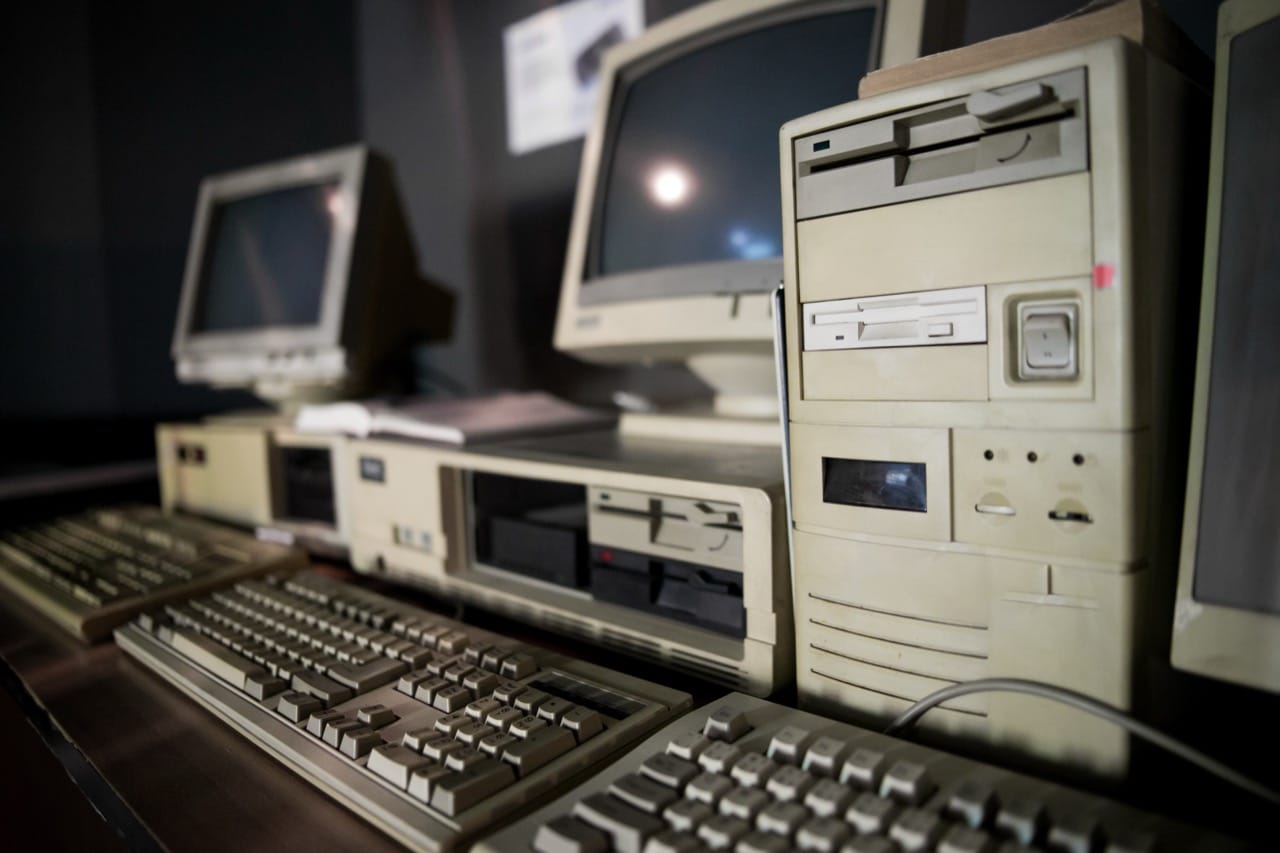
Manufacturing geography mattered as much as headquarters. Many of the beige desktops, CRT monitors, and components that filled homes and offices were assembled in East Asia, with Taiwan and mainland China growing rapidly as electronics production centers. Japan remained a major force in components, consumer electronics, and laptops, while South Korea’s firms expanded their influence in memory chips and displays. The global supply chain that feels normal today was taking shape in the 1990s, and it directly affected prices, availability, and the speed at which new models appeared.
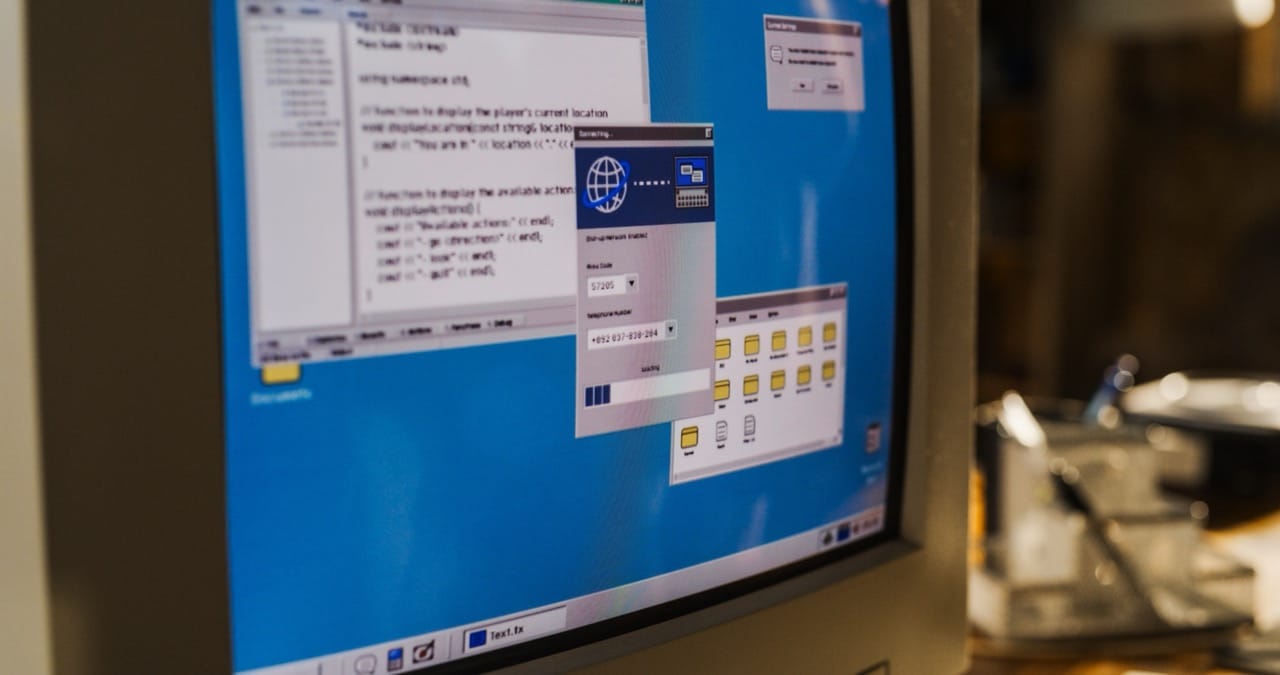
The internet itself had a physical footprint. Early backbone networks and exchange points clustered in a few cities where carriers could interconnect efficiently. In the US, major interconnection hubs emerged in places like Northern Virginia and Chicago, while in Europe Amsterdam became a standout for peering and traffic exchange. These locations rarely appeared on magazine covers, but they helped determine latency, reliability, and which services felt fast or frustrating on a 56k connection.
Even the dot com boom had geography. San Francisco’s South of Market and parts of Silicon Valley became magnets for startups, while New York’s Silicon Alley tried to translate media and finance proximity into internet success. The 1990s were global, but they were also local: a story of particular streets, office parks, labs, and data centers that collectively made the world feel newly connected.