Modems, Megahertz, and Millions 90s Tech Quiz


Quiz Complete!
When PC Power Was Measured in Megahertz: The Numbers That Defined 1990s Tech
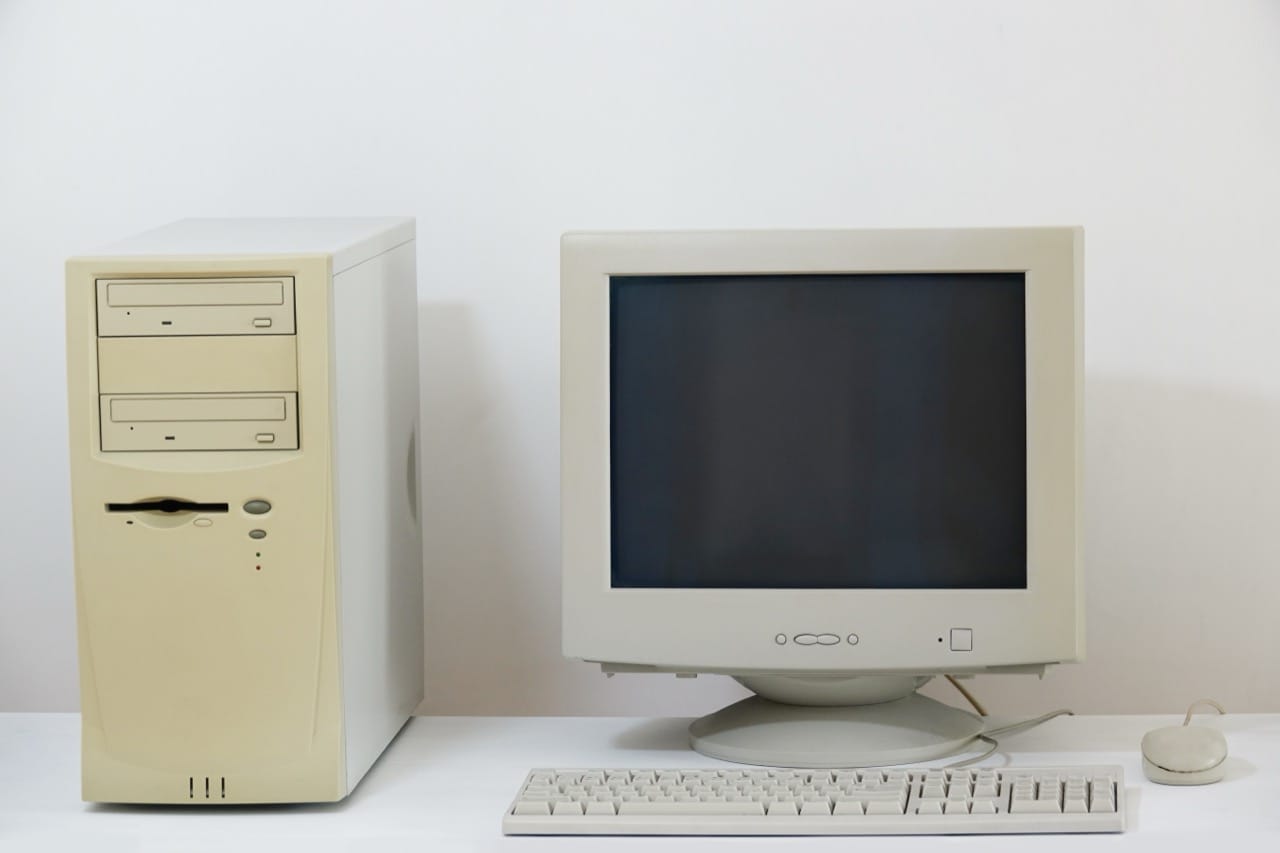
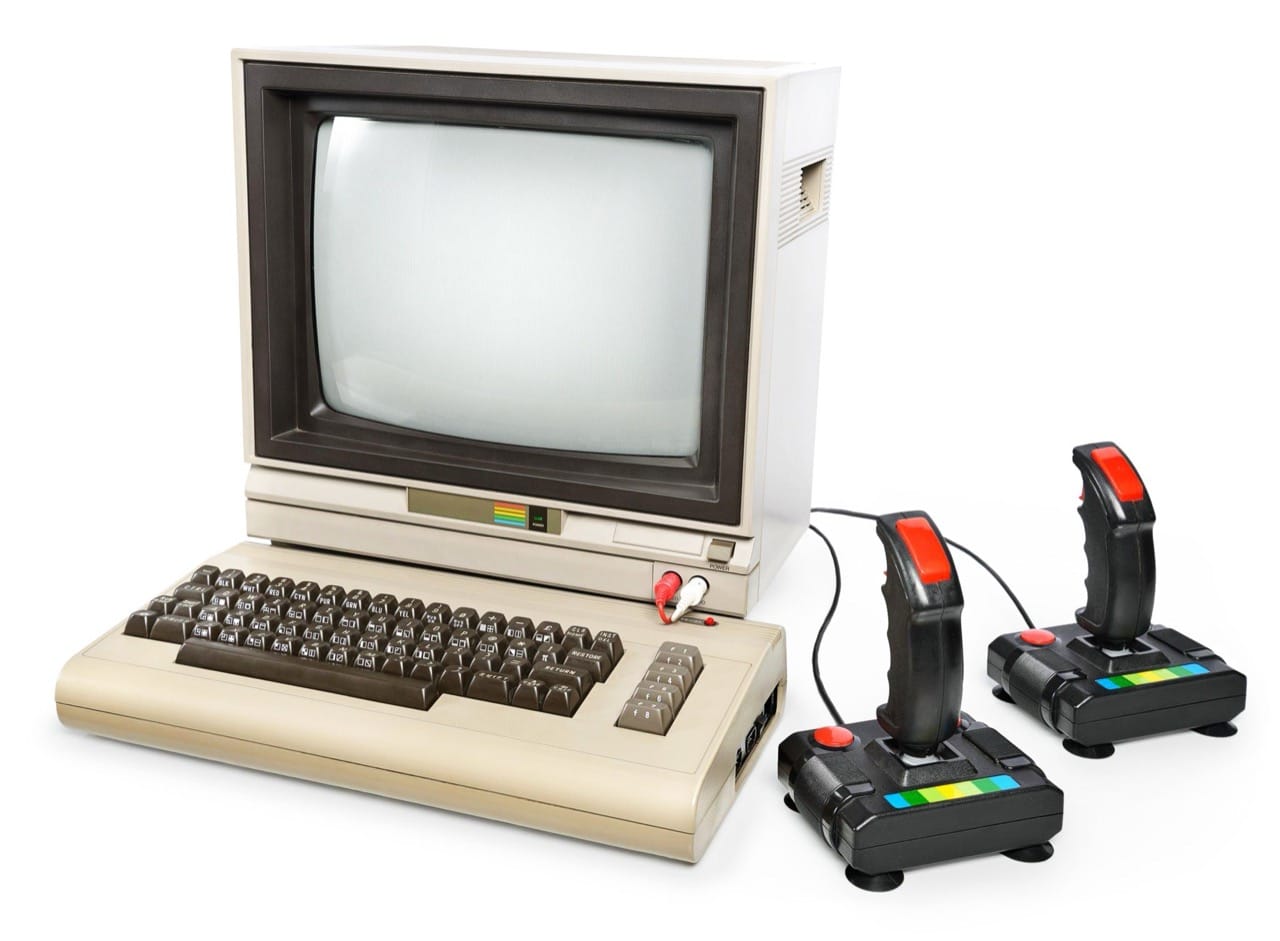
In the 1990s, computers stopped feeling like specialized office machines and started becoming something you could reasonably have at home, in a classroom, or in a dorm room. What made the decade so memorable is that progress was easy to see because everything was described in numbers you could compare: modem speeds, megahertz, megabytes, and the size of a hard drive that sounded impossibly huge. If you flipped through a catalog or a computer magazine, the specs were the story.
For many people, the internet arrived through a phone line, and dial up speed was a badge of honor. Early in the decade, 2400 and 9600 bits per second modems were common, then 14.4 kilobits per second became a major upgrade. By the mid to late 1990s, 28.8 and 33.6 kilobits per second were widely advertised, and the famous 56k era arrived near the end of the decade. Even that best case number came with a catch: real world speeds were often lower due to line noise and telephone network limits. Downloading a few megabytes could take a long time, which is why people learned patience, scheduled downloads overnight, or used download managers that could resume after a disconnect.
Processor speed was talked about in megahertz as if it were the whole personality of a PC. Early 1990s systems might be described in tens of megahertz, while later machines pushed into the hundreds. Names like 486, Pentium, and Pentium II became shorthand for performance, and gamers learned that the difference between 66 MHz and 200 MHz could be the difference between a slideshow and something that felt smooth. Toward the end of the decade, the race pushed into the high hundreds of megahertz, setting the stage for the gigahertz headlines of the early 2000s.
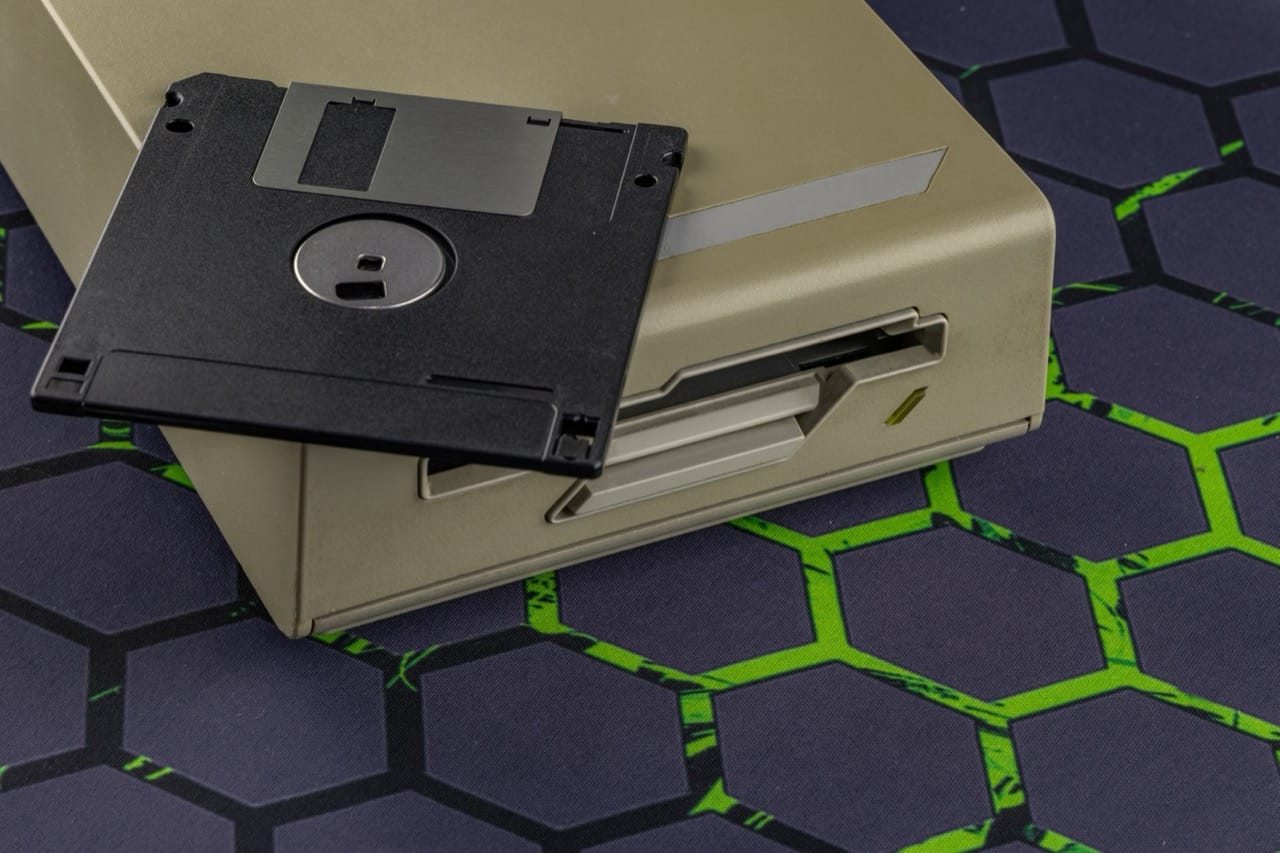
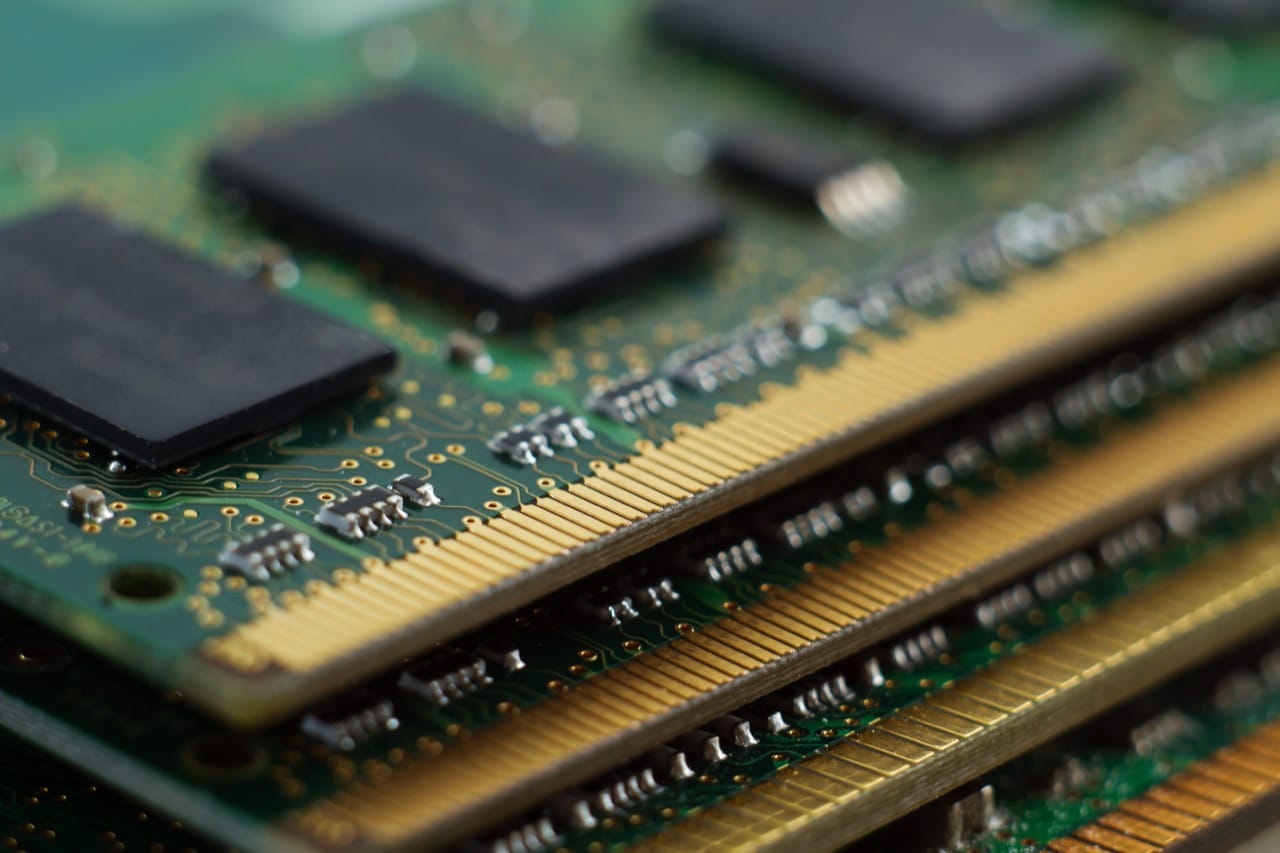
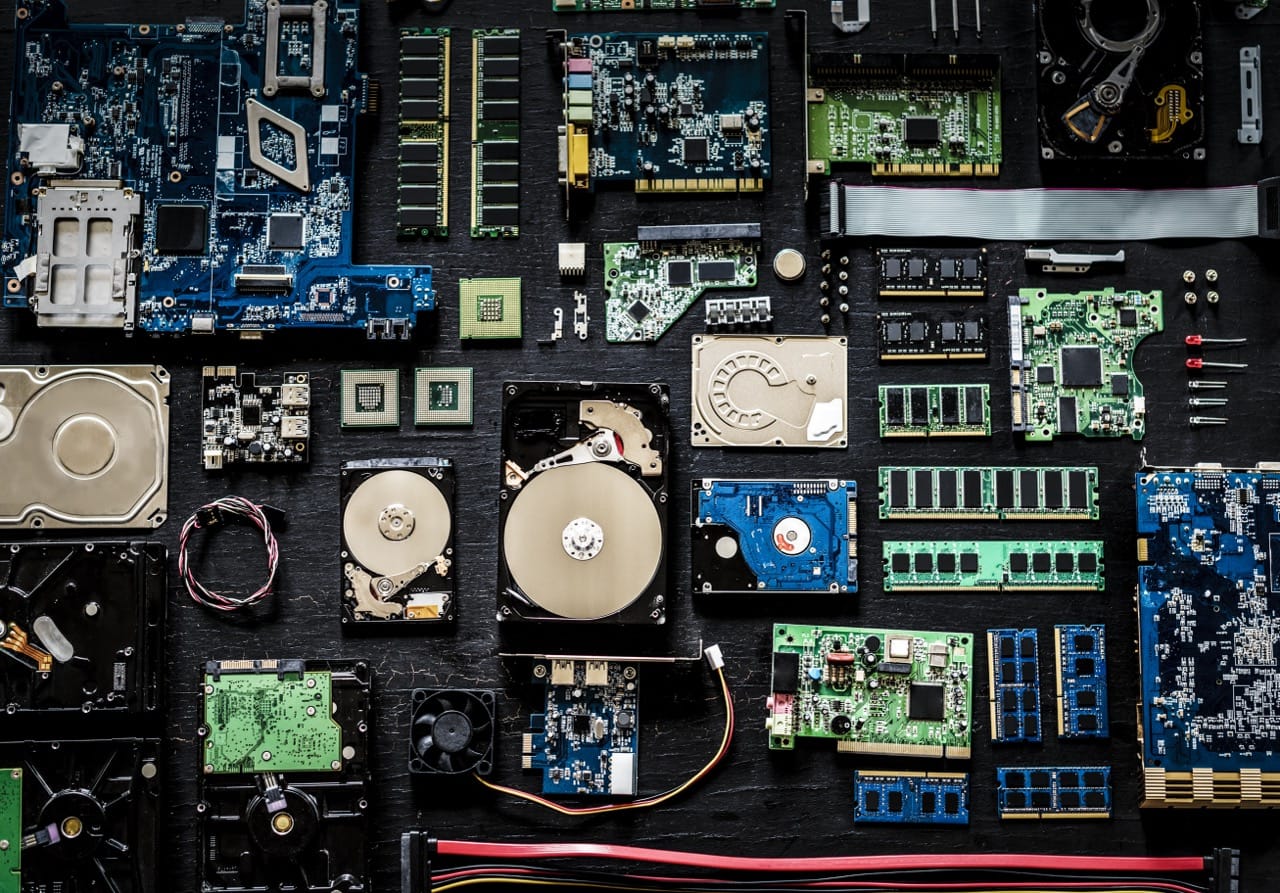
Memory and storage had their own sense of scale. A few megabytes of RAM could be acceptable early on, but Windows 95 and later Windows 98 made 8 MB feel tight and 16 MB feel comfortable, with 32 MB or 64 MB sounding luxurious for many home PCs. Hard drives leapt from sizes that were measured in tens or hundreds of megabytes to the point where a 1 GB drive became a proud talking point, and then several gigabytes started showing up in mainstream machines. That growth changed behavior: people could keep more photos, install more games, and stop treating every megabyte like it needed a budget meeting.
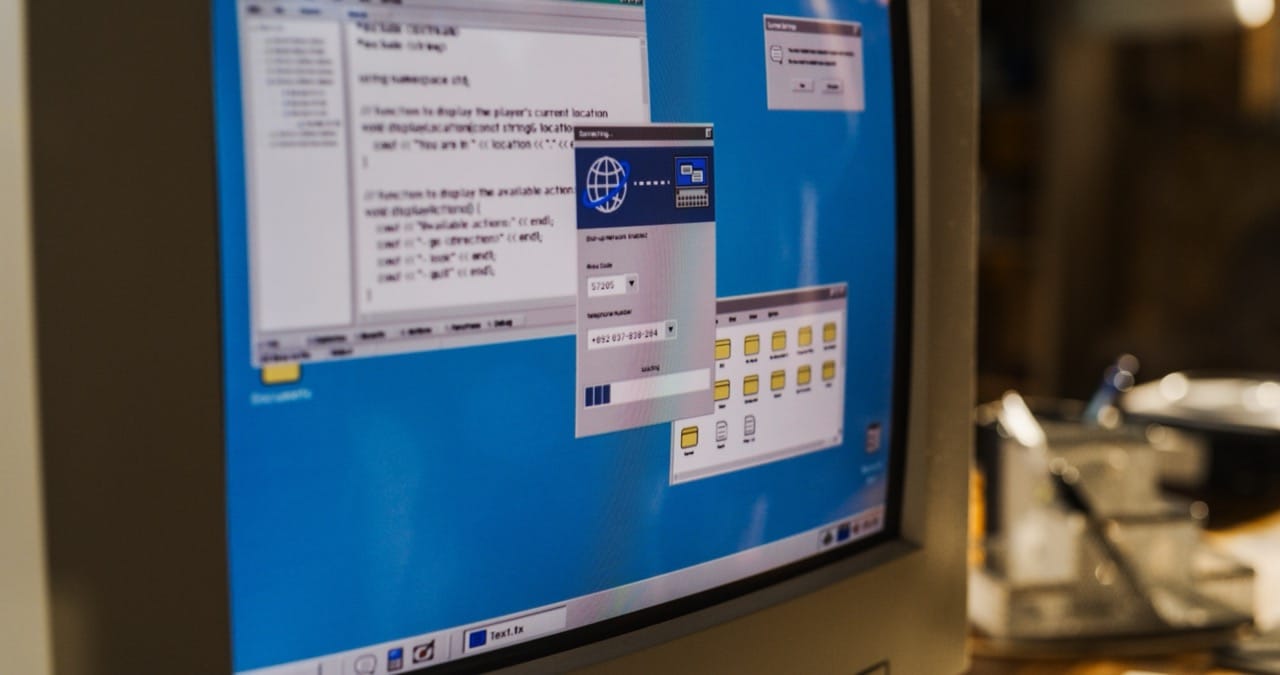
Screens and graphics were also a numbers game. Many PCs ran at 640 by 480 or 800 by 600, and stepping up to 1024 by 768 felt like joining the big leagues if your monitor and video card could handle it. Color depth mattered too, and moving from 256 colors to thousands or millions changed how games and images looked. On the gaming side, 3D acceleration became a buzzword in the late 1990s, and the difference between software rendering and a dedicated 3D card could be dramatic, turning blocky worlds into smoother, more detailed scenes.
Meanwhile, the web itself was growing from a novelty into a daily destination. People measured their online life in minutes, not megabits, and they learned new units like kilobytes per second from download dialogs. Pages were designed to load over slow connections, images were compressed heavily, and many sites offered a text only option. The limitations shaped creativity: small file sizes, clever tricks to make pages feel responsive, and a culture of sharing links and downloads that felt like treasure hunting.
Looking back, the charm of 1990s tech is how tangible the progress was. Each upgrade had a clear number attached to it, and those numbers translated into real experiences: a faster connection sound, a shorter loading screen, a higher resolution, or enough disk space to install one more game without deleting something you loved.