Name That 90s Computer From Clues Deep Dive

Quiz Complete!
Beige Towers and Bondi Blue: How to Recognize the Computers That Defined the 1990s

The 1990s were a turning point when computers stopped being mysterious office machines and became everyday objects you could recognize at a glance. For a lot of people, the decade is remembered in textures and sounds as much as in specs: the warm plastic of a beige tower, the click of a mechanical power switch, and the screeching handshake of a 56k modem trying to reach the internet. A quiz that asks you to name a 90s computer from clues works because the era produced distinct combinations of operating systems, processors, form factors, and design flourishes that became signatures.
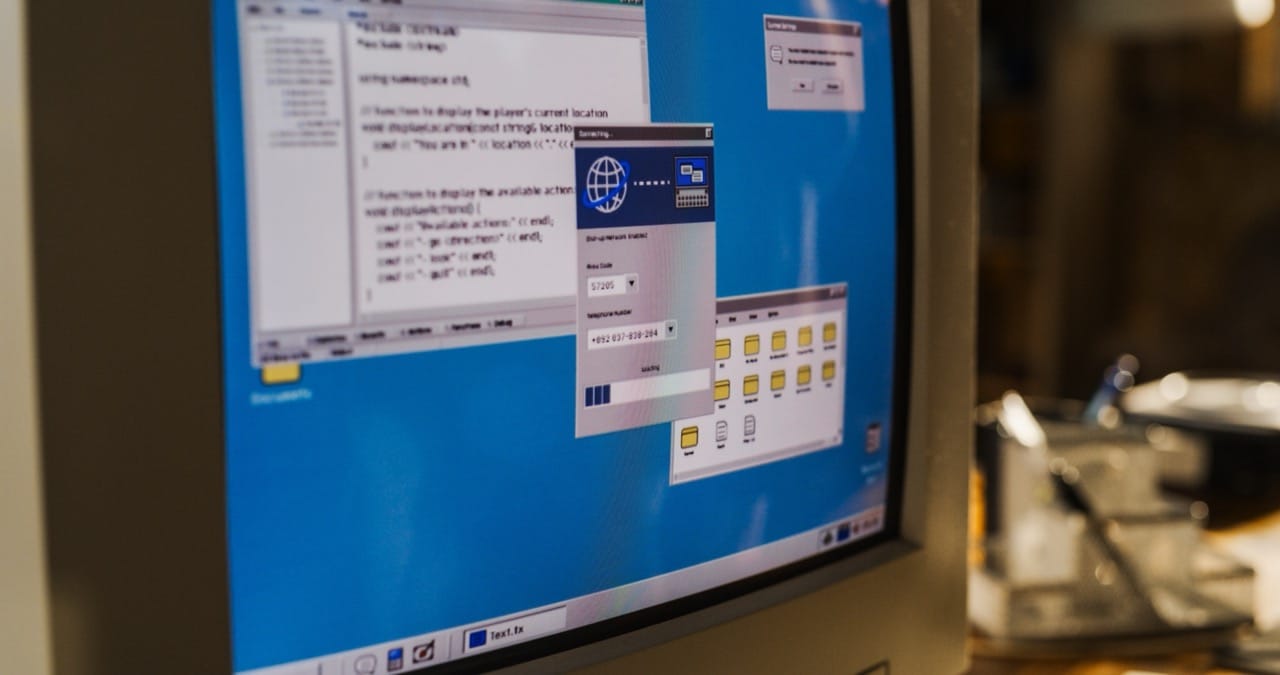
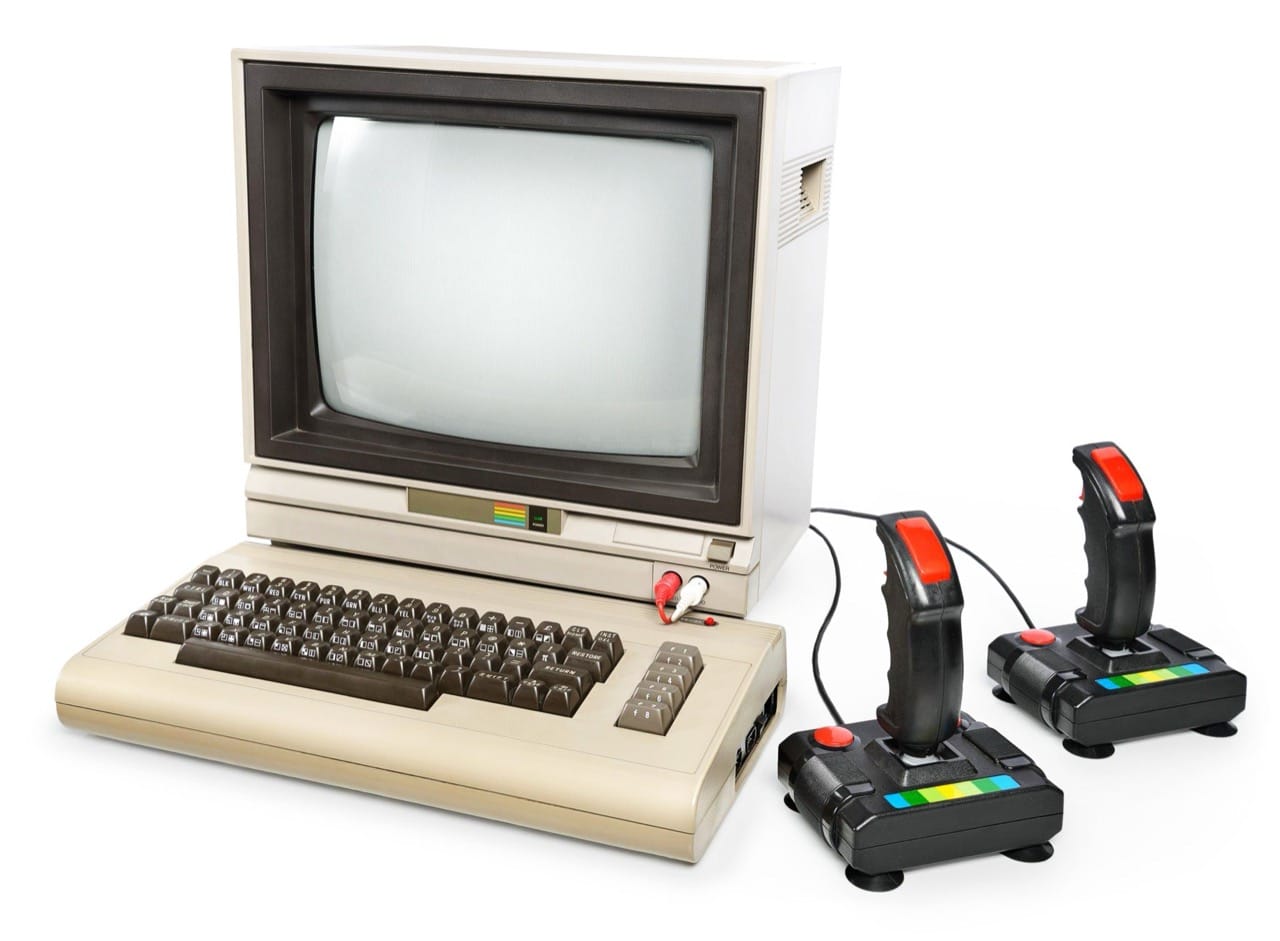
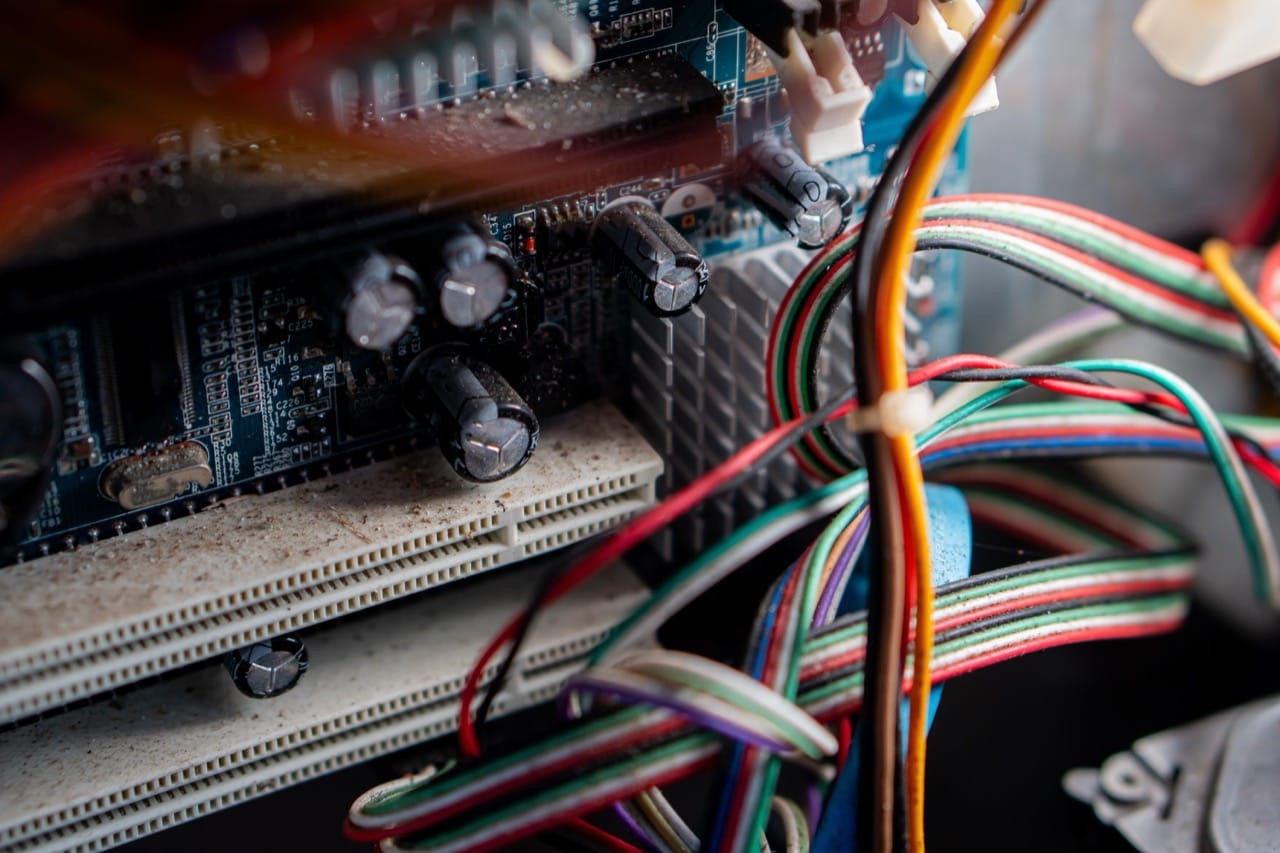
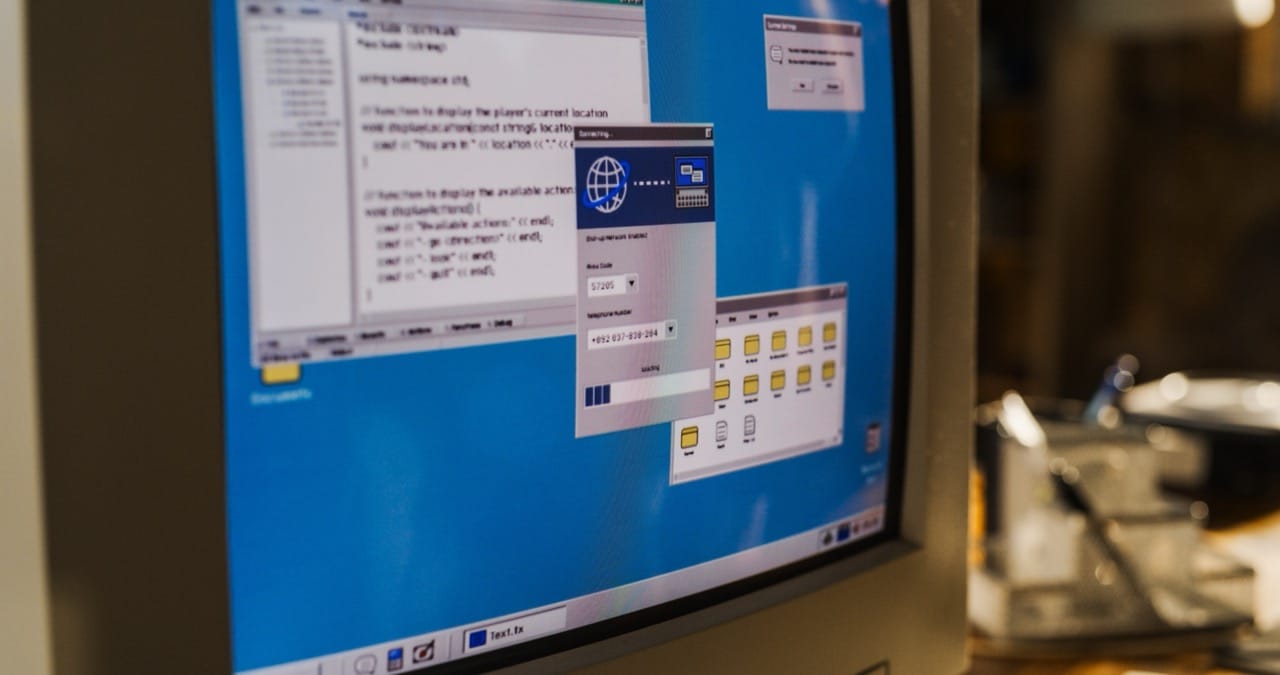
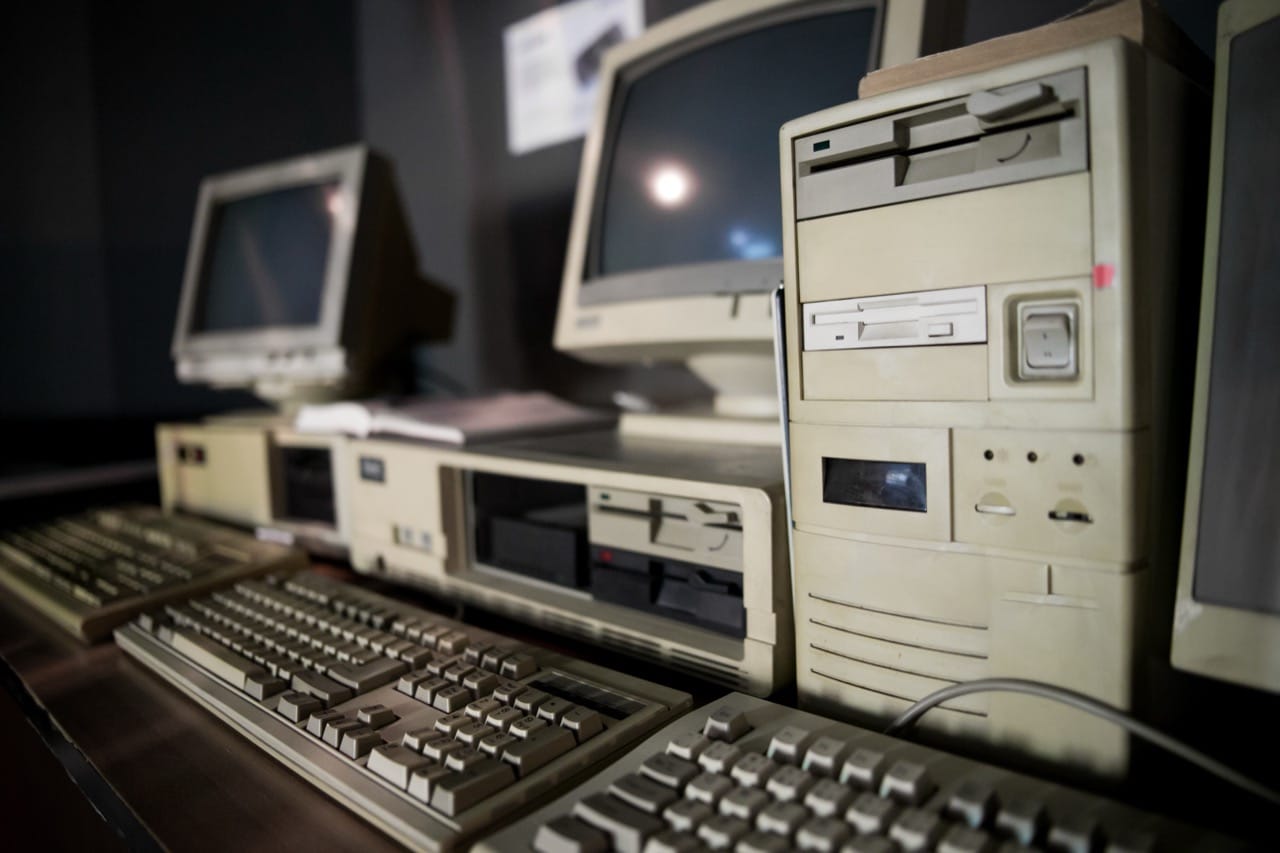
Start with the most common habitat: the home and school PC. If the clues mention Windows 95 or Windows 98, a Pentium or Pentium II, and a tower that needed a separate monitor the size of a microwave, you are in classic IBM compatible territory. But even within that world, details matter. A mention of a Turbo button or a key lock hints at older early 90s cases lingering in classrooms. Sound cards like Sound Blaster, CD ROM drives becoming standard, and the shift from ISA to PCI slots are all signals of the mid decade upgrade wave. If you see references to installing drivers from floppy disks and praying the IRQ settings behaved, that is a very 90s kind of problem.
Apple machines of the decade are often easier to spot because Apple treated industrial design like branding. If a clue set includes System 7, a PowerPC processor, and a one piece all in one case with a built in CRT, you might be thinking of the Macintosh Performa or the LC and Quadra families. Then the late 90s arrive with a dramatic visual pivot: the original iMac in translucent Bondi Blue. If the clues mention USB as a bold new standard, no floppy drive, and a handle built into the top, you are almost certainly looking at that first iMac generation that made beige suddenly feel old.
The 90s also had its own rival ecosystems. Mention of MS DOS is common, but OS 2 Warp is a strong clue toward IBM loyalists and certain corporate environments. Linux was present too, often as a hobbyist badge of honor, but it typically rode on standard PC hardware rather than a single iconic machine. In schools and labs, you might encounter machines chosen for manageability rather than glamour, and the clues may point to network boot setups, locked down configurations, or durable keyboards that survived years of use.
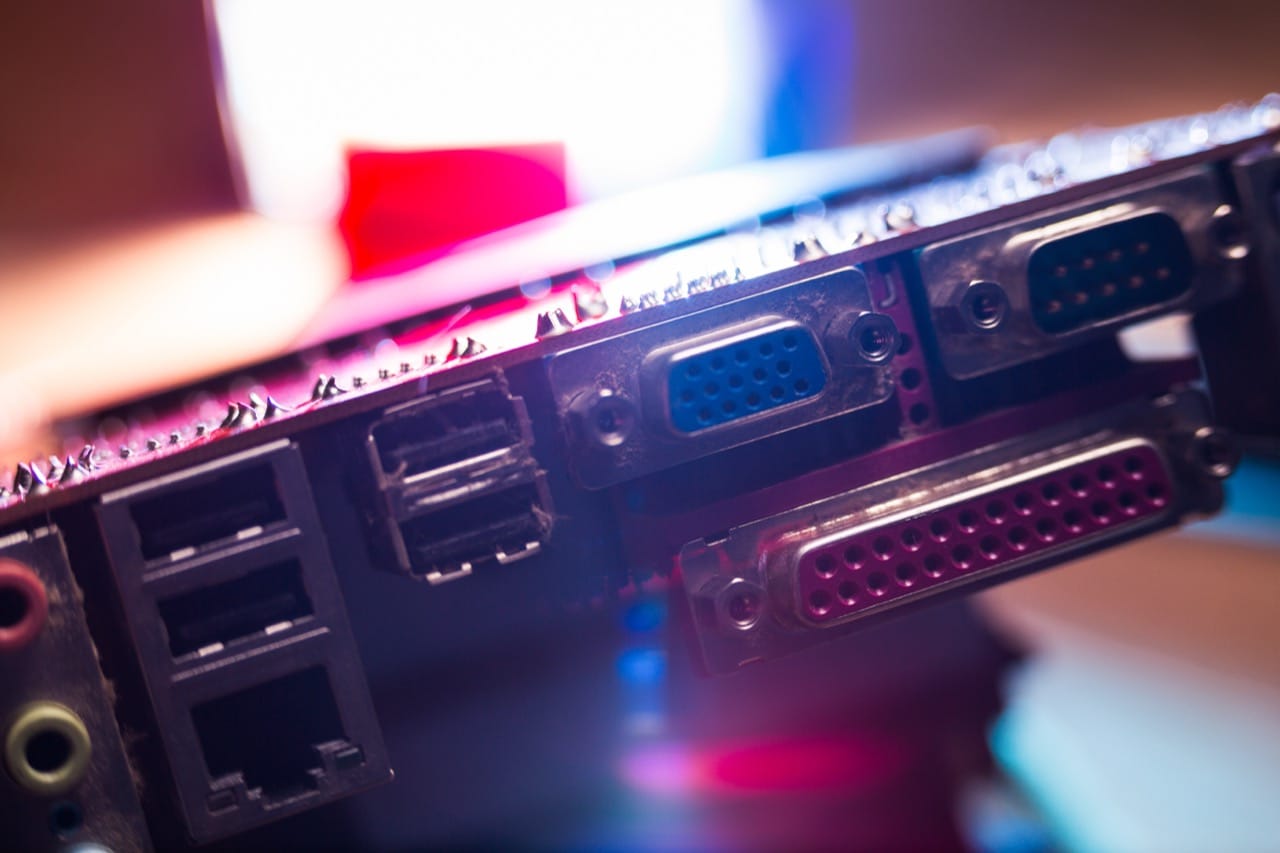
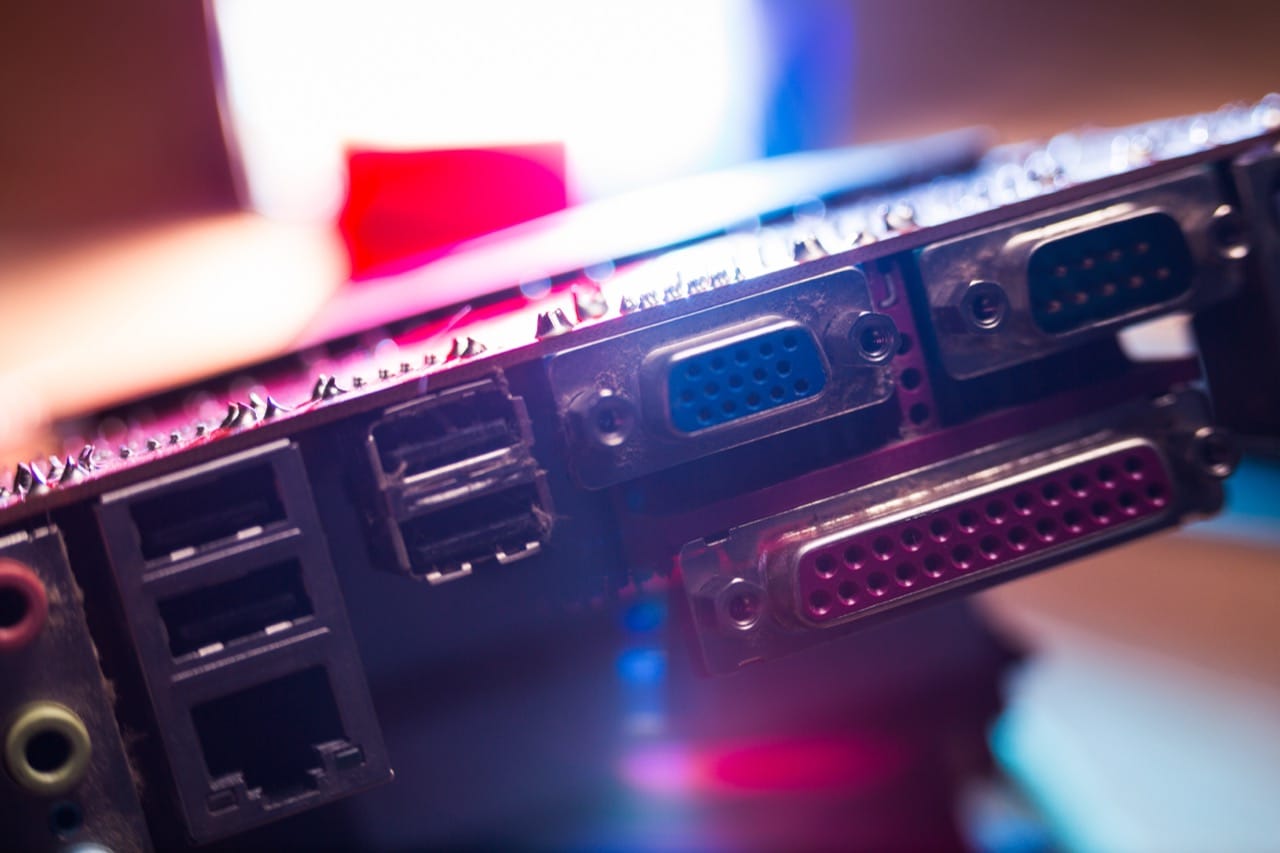
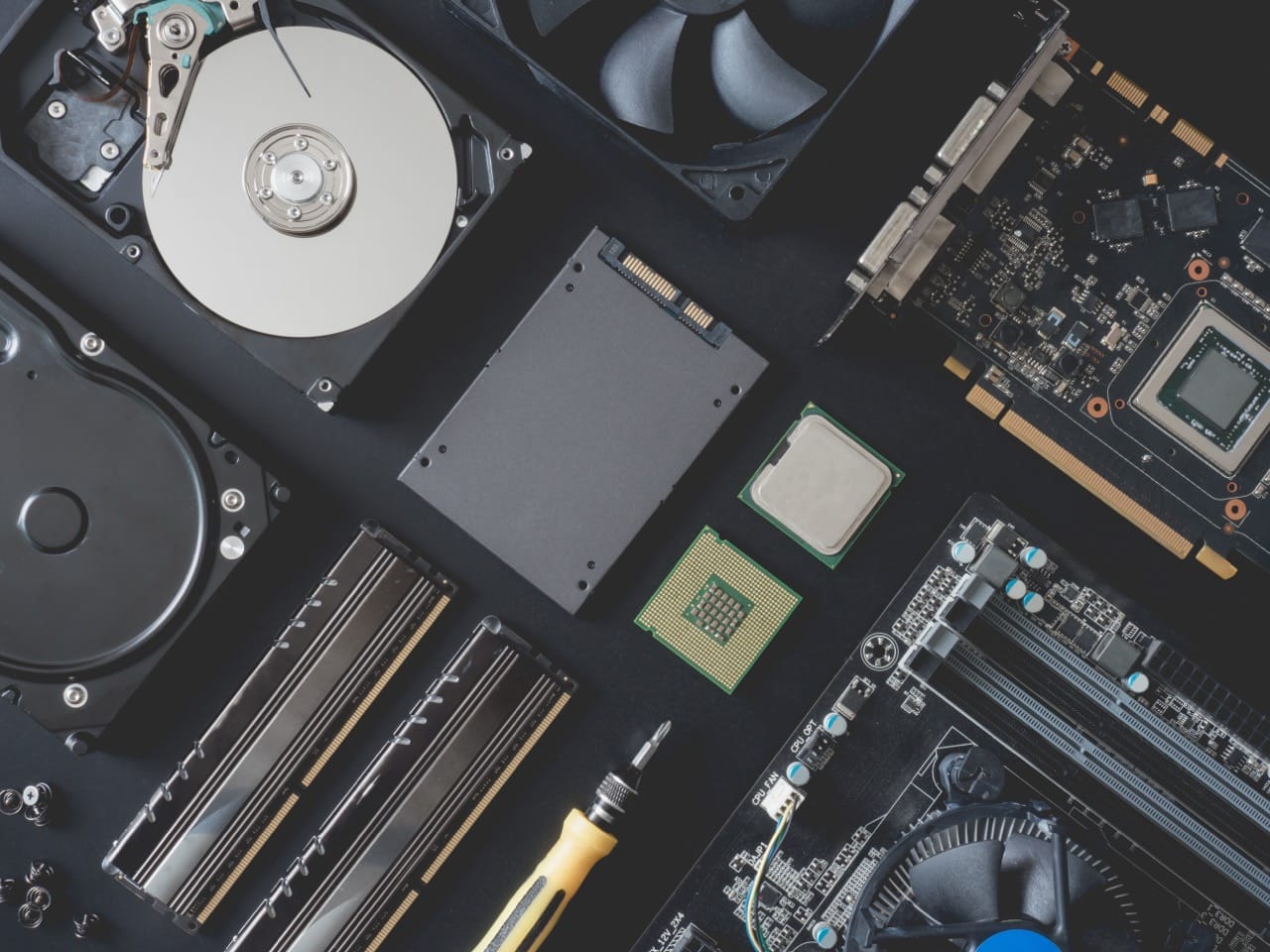
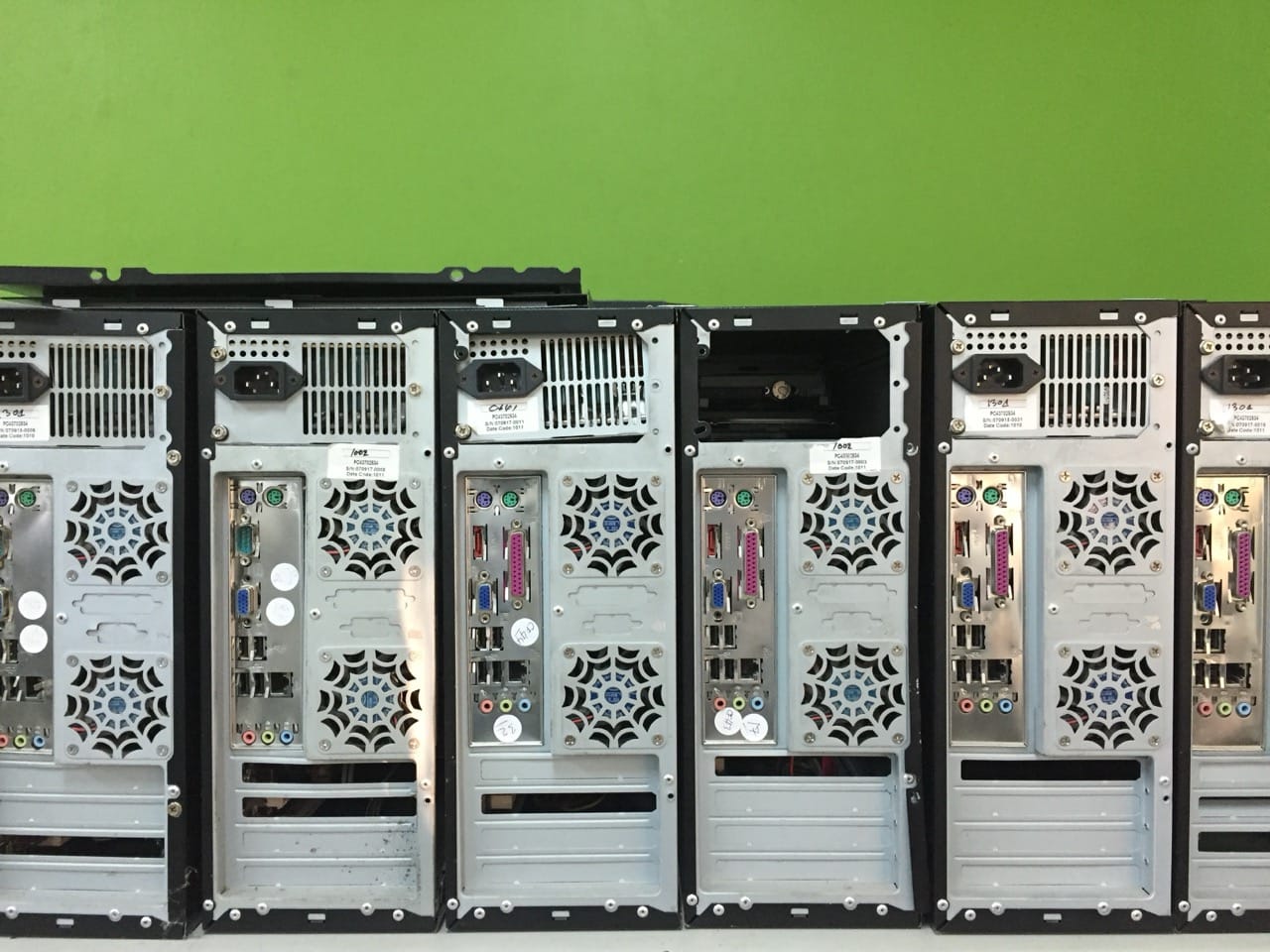
Processors are another reliable fingerprint. Intel names like 486, Pentium, and Celeron suggest mainstream PCs, while PowerPC points toward many Macs and some ambitious alternative systems. If you see a reference to a 68k processor, you are likely in early 90s Macintosh territory. Storage clues also help date a machine. A 3.5 inch floppy is nearly universal early on, but by the end of the decade, CD burners and Zip drives become telltale signs of people moving large files before broadband. The presence of a parallel port printer, a serial mouse, or a PS 2 connector can narrow down the era, while USB indicates the late 90s push toward simpler plug and play.
What makes naming these computers fun is how personal the clues can feel. A particular case shape, a keyboard layout, the memory of a school lab full of identical machines, or the frustration of a modem dropping the connection at the worst time can be as identifying as any spec sheet. The best quizzes capture that mix of technical detail and lived experience, letting you solve the puzzle with both your brain and your nostalgia.