Patch Cables and Pop Culture 90s Tech Trivia








Quiz Complete!
Patch Cables and Pop Culture: How 1990s Tech Connected Everything

The 1990s felt like a decade of patch cables, not just the kind that linked computers to phone lines, but the cultural kind that linked gadgets to music, movies, and everyday life. Technology stopped being a background utility and became something people talked about at lunch, argued about in magazines, and saw as part of their identity. If you ever waited for a web page to load line by line, you remember how a simple connection could feel like a small miracle.
The sound of a dial up modem handshake is one of the most recognizable noises of the era, a reminder that the internet often arrived through the same copper wires as a family phone call. That tension shaped behavior: people negotiated when it was okay to be online, and many learned the hard way that picking up the receiver could instantly disconnect a download. Early browsers like Netscape Navigator turned the web into a place ordinary people could explore, while email became a new kind of address book that did not care about time zones. Search engines and web directories were still immature, so finding anything online often meant knowing the right site, following links, or relying on word of mouth.
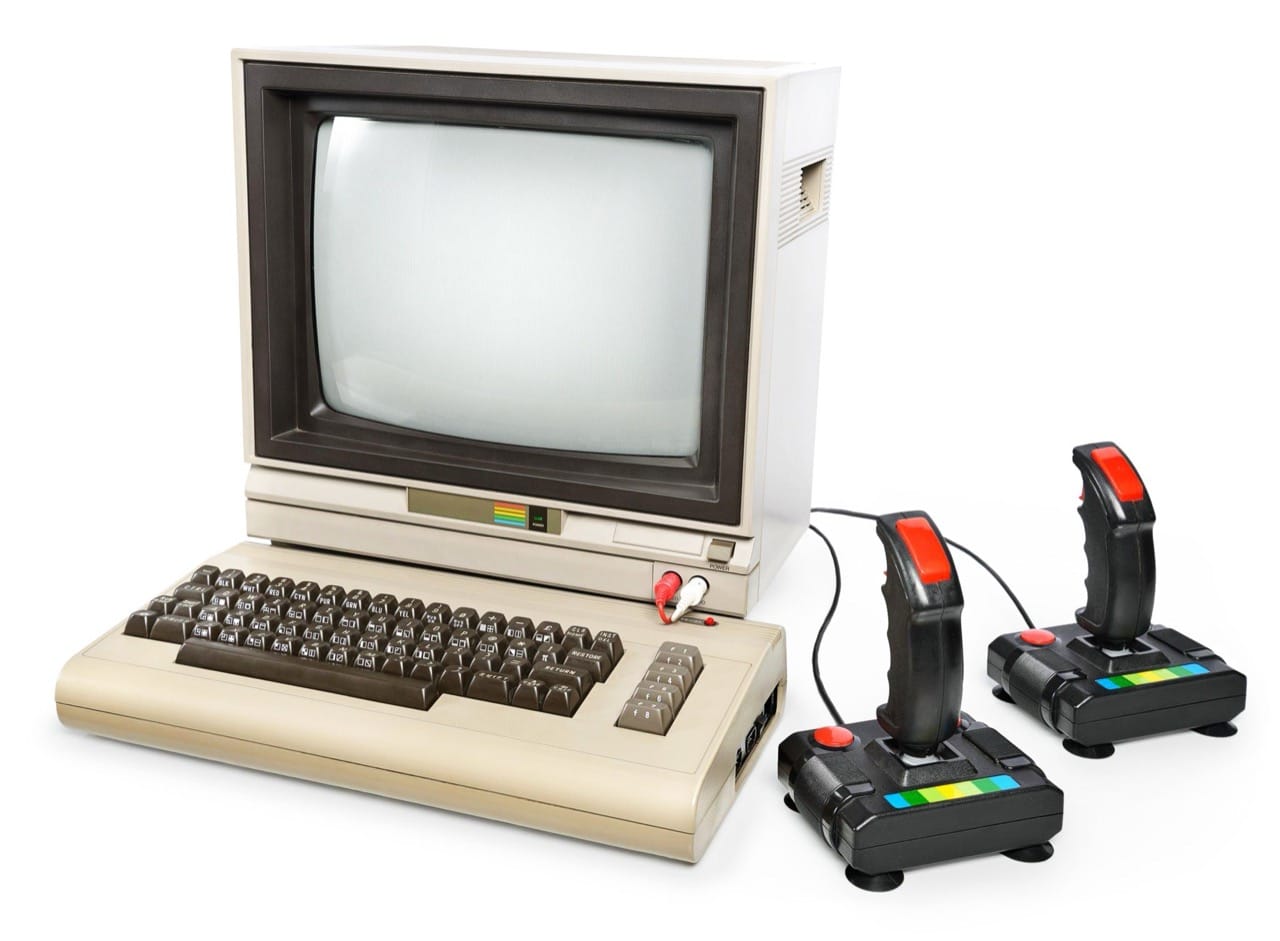
At the same time, personal computers became social hubs, not only for the internet but for games and creative tools. LAN parties made networking feel physical: ethernet cables snaked across floors so friends could play multiplayer matches with minimal lag. In classrooms and libraries, computer labs introduced a generation to word processors, educational CD ROMs, and the idea that research could happen on a screen. The shift from floppy disks to optical media captured the decade’s accelerating pace. A 3.5 inch floppy held about 1.44 megabytes, while a CD ROM held roughly 650 megabytes, enough room for encyclopedias, games with full motion video, and music collections that suddenly seemed portable in a new way.
Music technology crossed over into pop culture constantly. The Sony Walkman had already made portable listening normal, but the 90s pushed it further with the Discman and the rise of CD burning near the end of the decade. Mix tapes slowly turned into mix CDs, and the act of compiling songs became tied to software, file formats, and eventually the first wave of digital sharing. Meanwhile, movies and TV used computers as plot devices, sometimes wildly inaccurately, but always with a sense that screens and networks were powerful. Tech jargon like hacking, virtual reality, and cyberspace became familiar even to people who never touched a command line.
Console gaming was another major crossover point. The jump to 3D graphics defined the era, with systems like the Sony PlayStation and Nintendo 64 turning living room TVs into game worlds that felt new and cinematic. Storage formats mattered: cartridges loaded fast and were durable, while discs offered more space for audio and video. Handhelds kept evolving too, and the link cable culture around portable gaming showed how much people valued connecting devices directly.
Mobile phones were still mostly for calls, but they were shrinking, spreading, and starting to show up as symbols in music videos and teen dramas. Text messaging existed and quietly grew, especially outside the United States, setting the stage for a new communication style built on short bursts. By the end of the decade, gadgets were converging: computers played music, phones gained simple data features, and TVs became interactive through consoles and set top boxes.
Even the famous format battles of the era taught people to think about standards. VHS had already beaten Betamax, but the 90s offered new contests, from operating systems and browsers to removable media and game platforms. Looking back, the decade’s most important invention might not be a single device, but the expectation that devices should connect, share, and keep evolving. The 90s made technology feel like a living part of culture, and once that happened, there was no going back.