Rewiring the 90s One Breakthrough at a Time Next Level







Quiz Complete!
How the 1990s Rewired Everyday Life, One Breakthrough at a Time

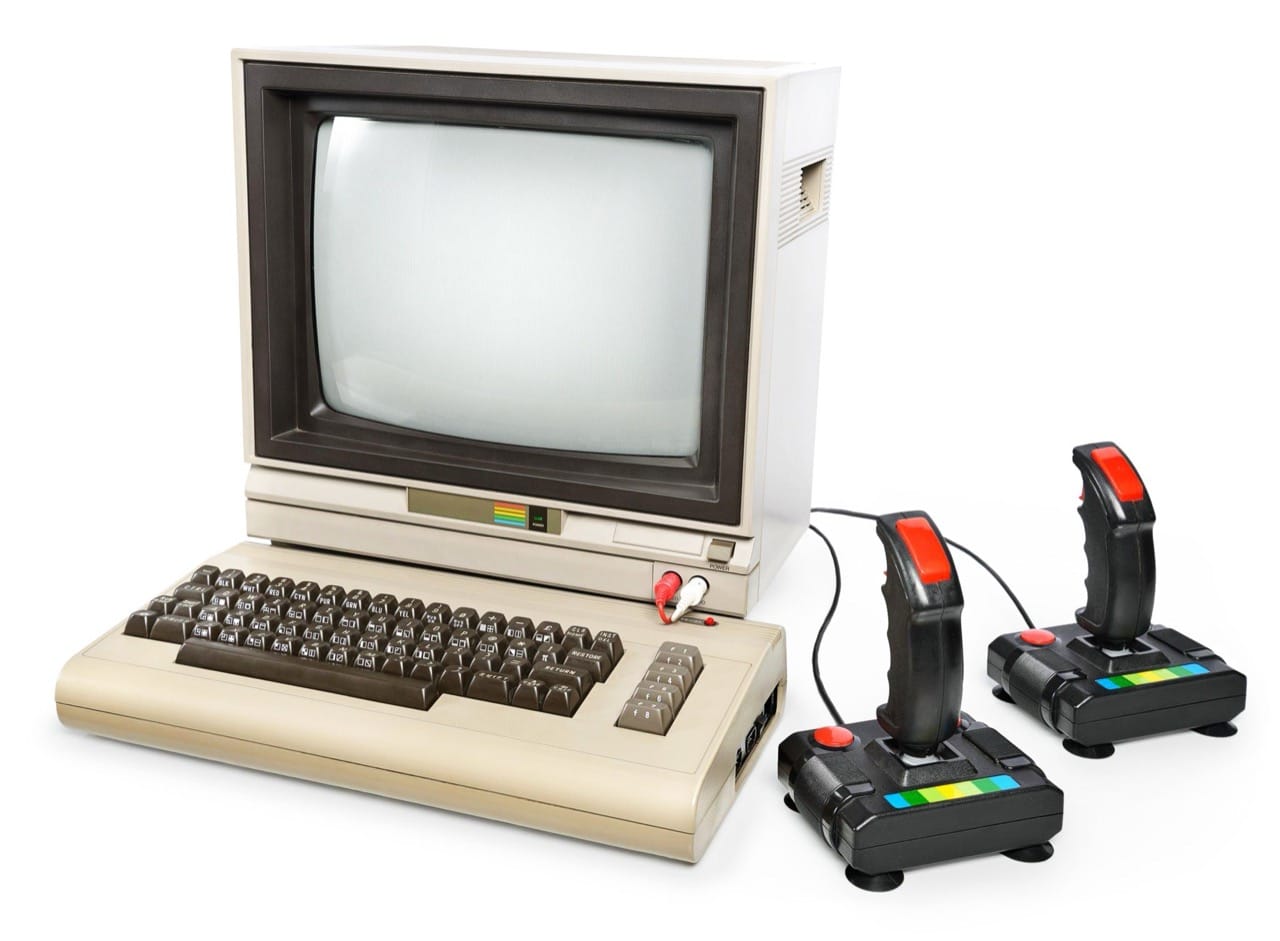
The 1990s are often remembered for dial up tones, bulky computers, and the first wave of digital cool, but the decade’s real legacy is how quietly it set the rules for modern life. Many of the conveniences people now take for granted, from instant messaging to wireless networking, trace back to a handful of breakthroughs that arrived when the world was just learning what it meant to be online.
One of the biggest shifts came when the web stopped being a niche tool and became something ordinary people could use. The World Wide Web existed before the 90s, but the decade brought the ingredients that made it explode: easier browsers, more affordable home computers, and a growing network of websites that turned curiosity into habit. As more people went online, the problem quickly changed from access to navigation. Early search engines and directories began sorting the chaos, and the idea that you could type a question and get answers in seconds started to feel normal. That expectation now underpins everything from recipe hunting to medical research, and it was forged in the 90s when search became a daily behavior.
Communication also began its transformation from voice to data. In 1992, the first text message was sent, a small event that foreshadowed a massive change in how people talk. Texting didn’t immediately dominate, but it introduced a new style of conversation: brief, asynchronous, and casual. It also pushed networks and phones toward being data friendly rather than purely voice focused. Alongside texting, mobile phones shrank, batteries improved, and the concept of a phone as a pocket computer started to form. Early smartphones and personal digital assistants hinted at the future by combining contacts, calendars, email, and simple apps. Even if they were clunky by today’s standards, they established the idea that your most important information should travel with you.
Then came wireless networking, a breakthrough that made the internet feel less like a place you visited and more like something in the air around you. Wi Fi standards emerged in the late 90s, turning cables into an option rather than a requirement. That shift changed how homes, offices, and eventually public spaces were designed. It also set the stage for laptops to become truly mobile and for devices beyond computers to join the network.
The decade also standardized the digital building blocks that still power modern media. Popular formats for compressing music and images helped the internet handle real world content, not just text. Once files became smaller and easier to share, everything from online music to photo sharing and streaming had a path forward. At the same time, gaming leapt ahead with more powerful consoles and 3D graphics, influencing graphics hardware and user interfaces that later benefited everyday computing.
Beyond consumer tech, 90s science and engineering milestones shaped the modern world in less obvious ways. Advances in genetics and medical imaging improved research and healthcare. Satellite navigation matured toward the GPS services people now use for turn by turn directions. Even payment systems and security methods evolved as commerce began shifting online, forcing new thinking about trust, encryption, and identity.
What makes the 1990s so fascinating is that many of its innovations didn’t feel world changing at first. They were often incremental, sometimes awkward, and occasionally dismissed as trends. Yet together they rewired expectations: information should be searchable, communication should be instant, devices should be connected, and technology should fade into the background of daily life. That is why so many quiz moments from the 90s trigger a surprised reaction. They are not just nostalgia, they are the early chapters of the systems that now run the world.