Silicon Memories 90s Computers True or False





Quiz Complete!
Silicon Memories: Sorting 1990s Computer Truth from Myth
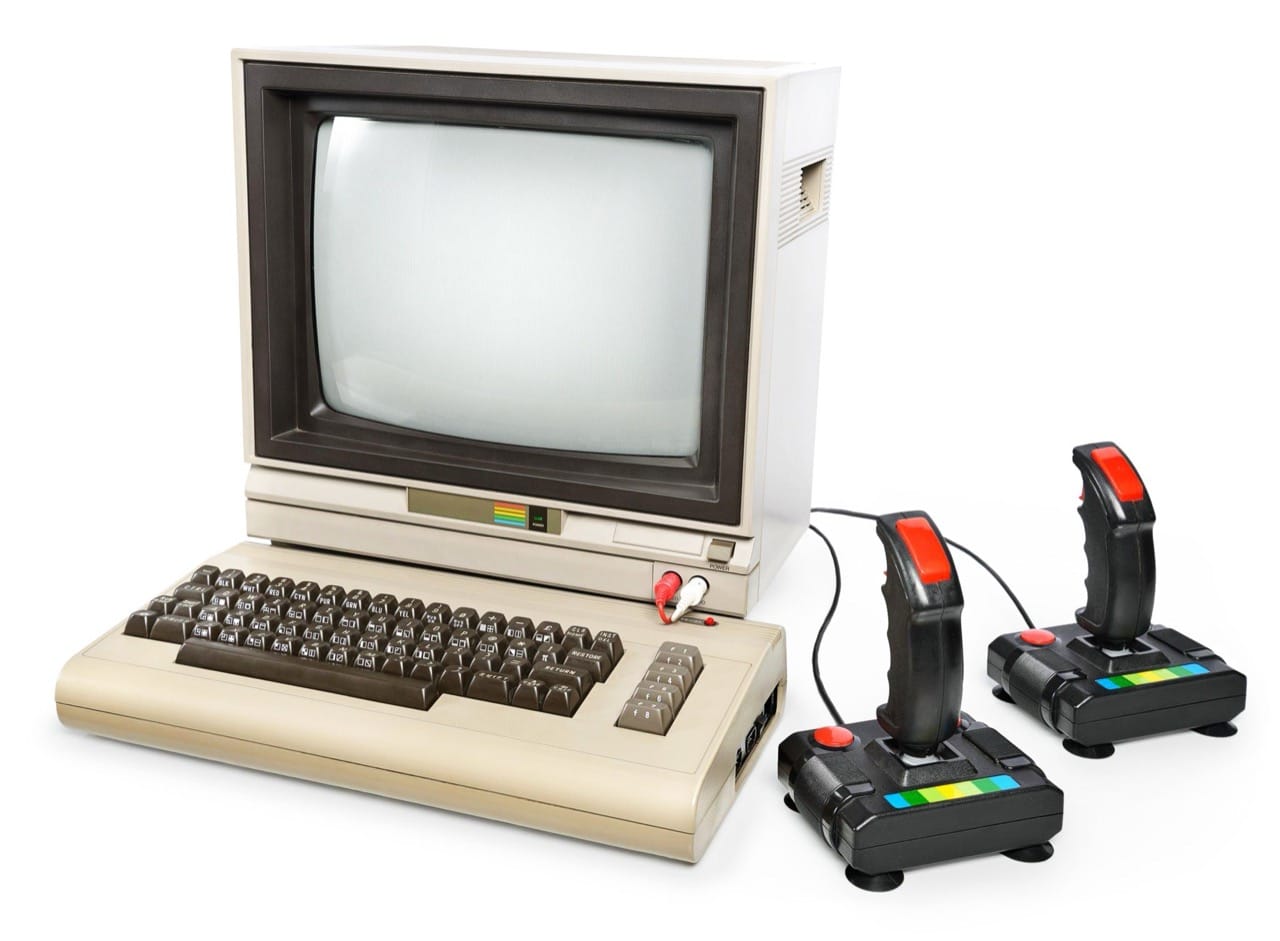
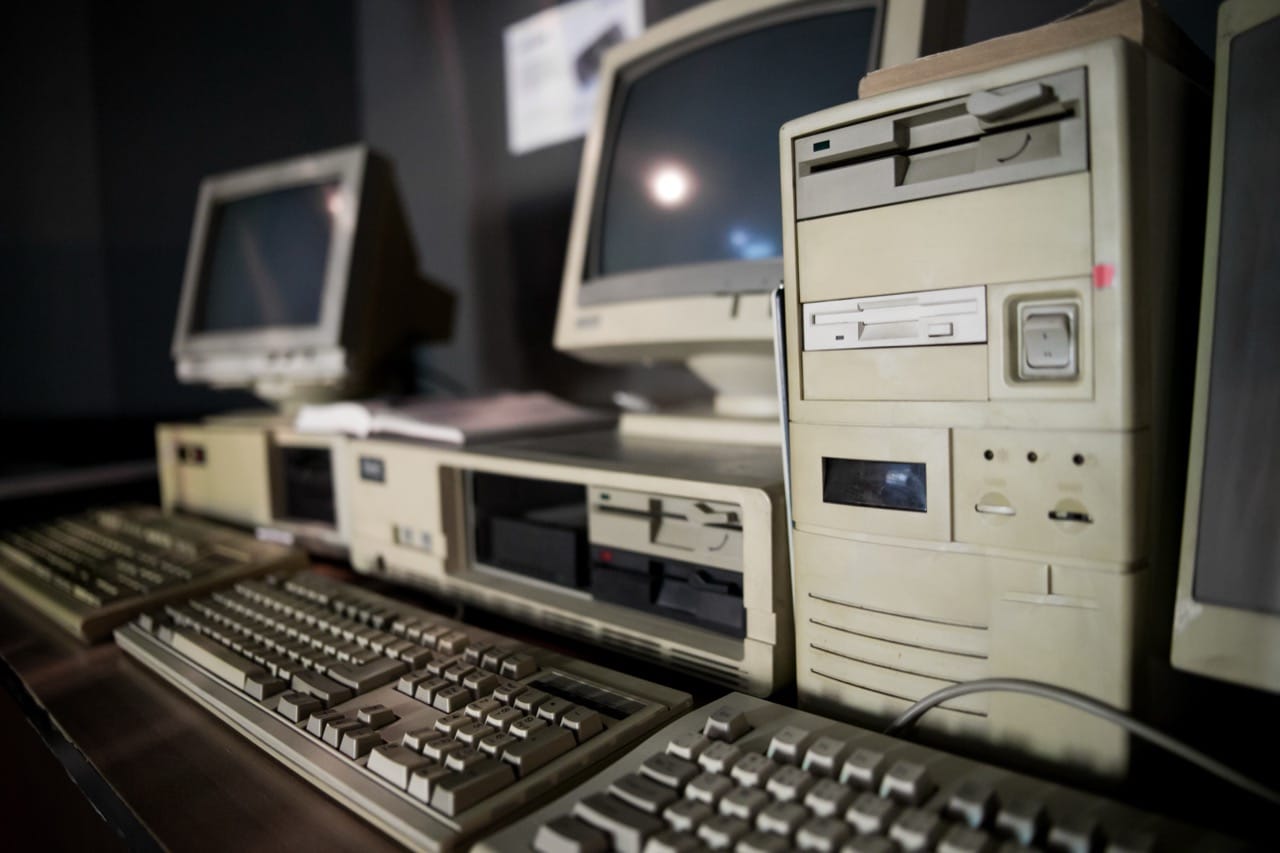
The 1990s feel close enough to remember clearly and far enough away to get blurry at the edges. Many people picture a beige desktop tower under a desk, a heavy CRT monitor, and the unmistakable handshake sounds of a dial up modem. Yet the decade moved so quickly that what was true in 1993 could be outdated by 1997, and by 1999 it might sound like ancient history. That rapid change is why so many 90s computer “facts” turn into myths.
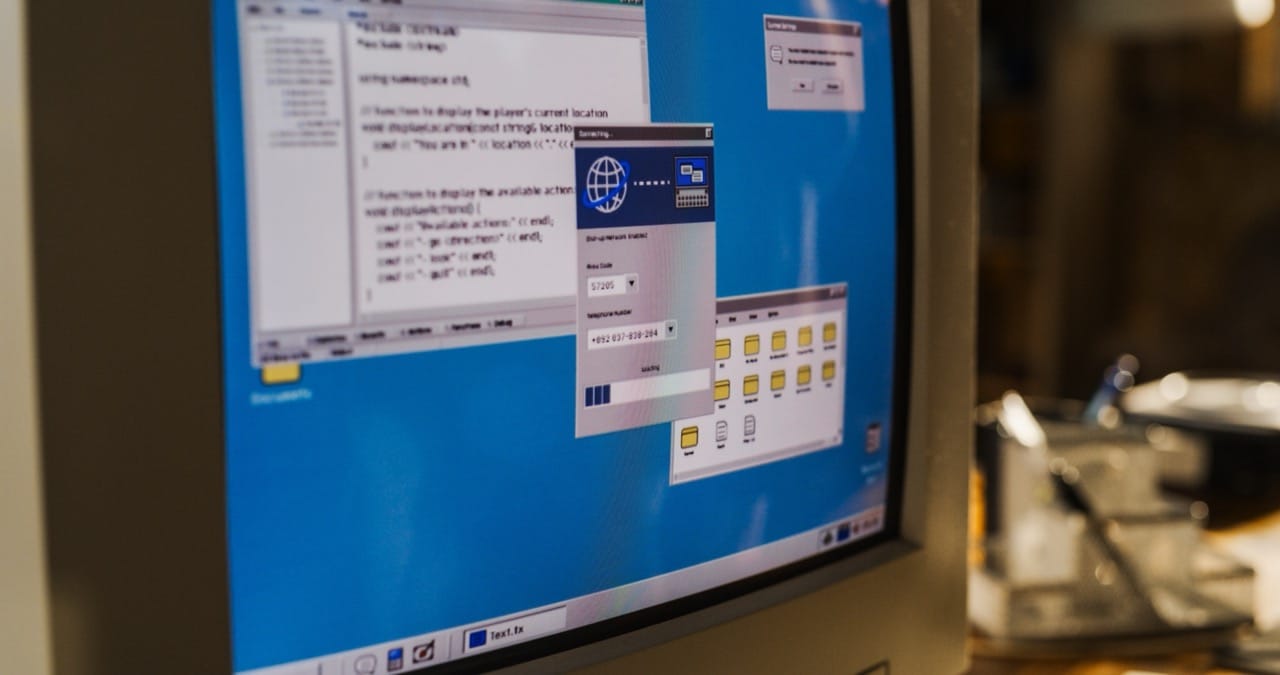
One common misconception is that Windows 95 was the first real graphical Windows. In reality, Windows had been graphical since Windows 1.0 in 1985, and Windows 3.1 in 1992 was already widespread in offices and schools. What Windows 95 did was combine a more modern interface with the Start menu and taskbar, stronger 32 bit support, and a big marketing push that made it feel like a clean break from the past. Another myth is that Windows 95 introduced plug and play and everything instantly worked. Plug and play was an important goal, but many users remember the less glamorous truth: driver disks, IRQ conflicts, and the occasional need to open the case and move jumpers.
The early web also attracts fuzzy nostalgia. People often say Netscape “invented” the web browser. The web existed earlier, and the first widely recognized browser was Mosaic, which helped popularize the web in 1993. Netscape, founded by Mosaic alumni, made browsing feel fast and mainstream and became a symbol of the web’s early boom. The browser wars that followed were not just about features; they shaped standards, security practices, and how websites were built. A related myth is that AOL was the internet. AOL was a major gateway for many households, bundling email, chat rooms, and an easy on ramp to the wider web, but it was a service on top of the internet, not the internet itself.
Linux is another area where half truths circulate. Linux did not suddenly appear as a complete alternative to Windows overnight. It began in 1991, grew through volunteer and commercial support, and became a serious option for servers and enthusiasts during the 90s. For typical home users, installation and hardware support could be challenging, but the decade laid the groundwork for the open source ecosystem that later became mainstream.
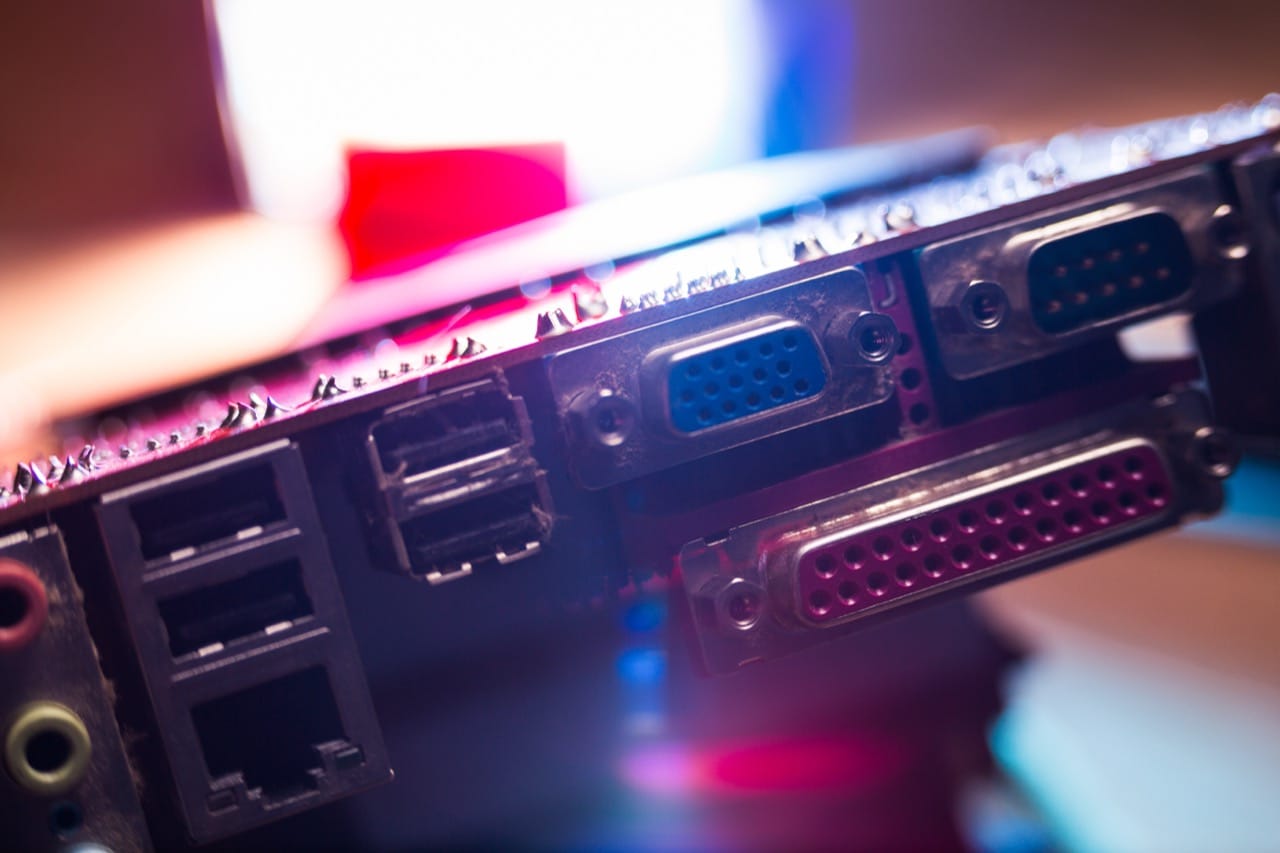
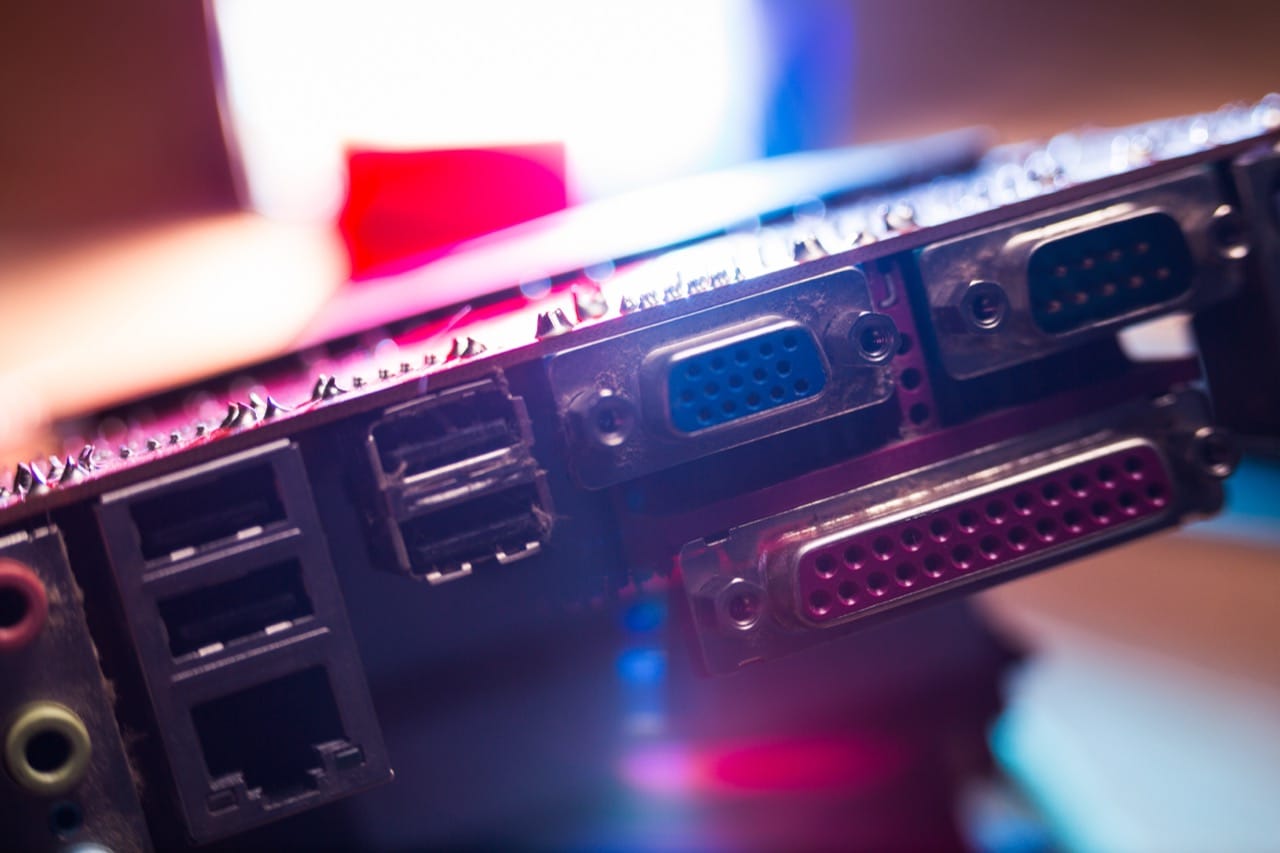
Storage and ports are perfect myth generators because they changed in layers. Floppy disks were still common, but by the mid to late 90s, the 3.5 inch floppy’s 1.44 MB capacity felt tiny next to CD ROMs, which held around 650 MB. Many assume USB was everywhere in the 90s, yet early USB adoption was slow. Plenty of PCs still relied on serial and parallel ports for mice, modems, and printers, while PS 2 ports handled keyboards and mice. If you remember a desk full of adapters, that is not an exaggeration.
Even the sound of getting online can mislead memory. Dial up was dominant for many homes, but businesses and some households used faster options earlier than people realize, including ISDN and early cable or DSL in certain regions. Speeds were also often constrained by phone line quality and modem standards, so two people with “56k” modems could have very different experiences.
The best way to approach 90s computing claims is to anchor them to a specific year and user type. A school computer lab in 1994, a home gamer in 1997, and an office worker in 1999 could all have lived in different technological worlds. That is what makes separating truth from myth so satisfying: the real story is more nuanced, and often more interesting, than nostalgia alone.