Silicon, Satellites, and the 90s Breakthroughs Deep Dive







Quiz Complete!
Silicon, Satellites, and the 90s Digital Breakthroughs That Shaped Today
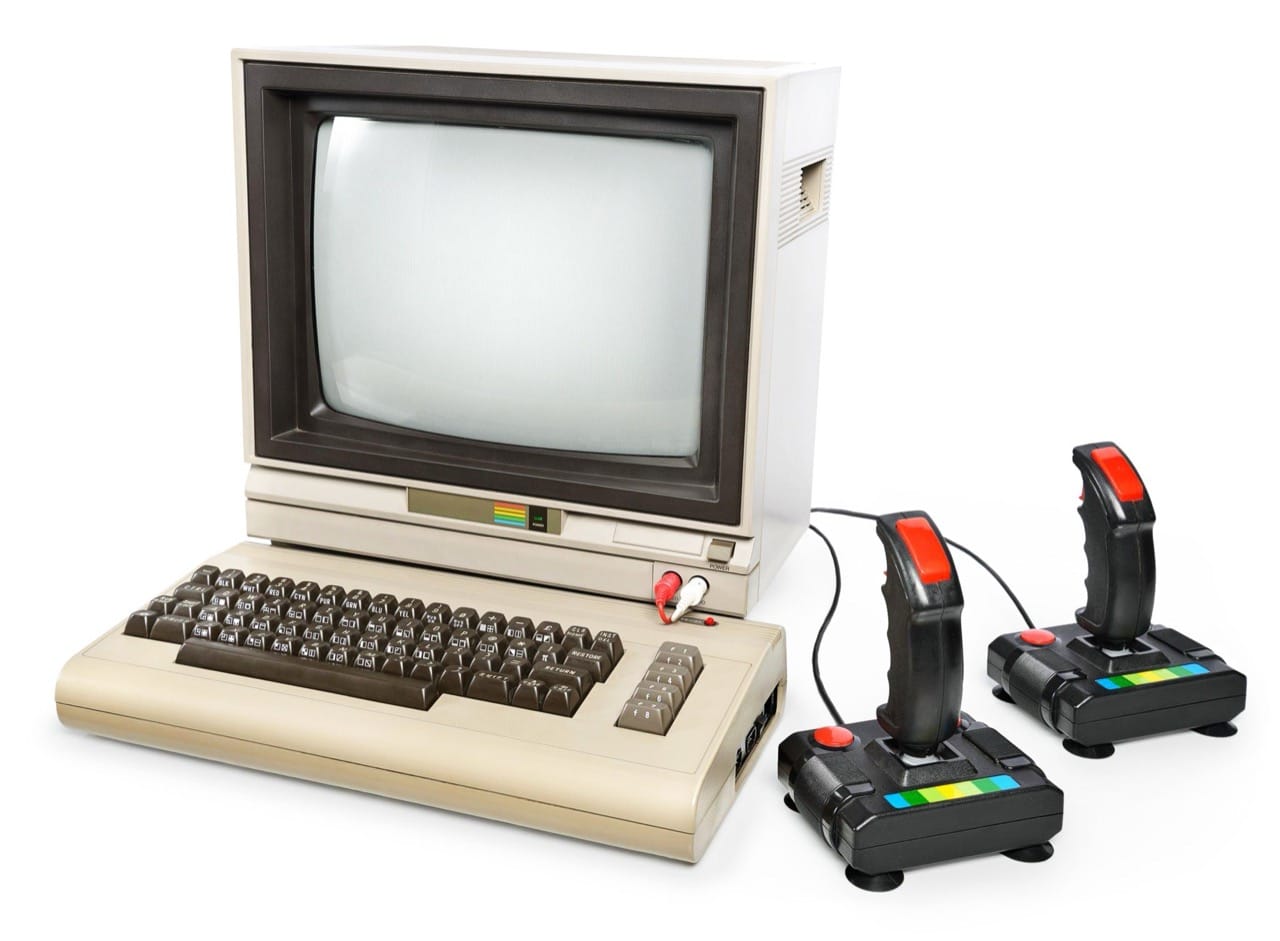
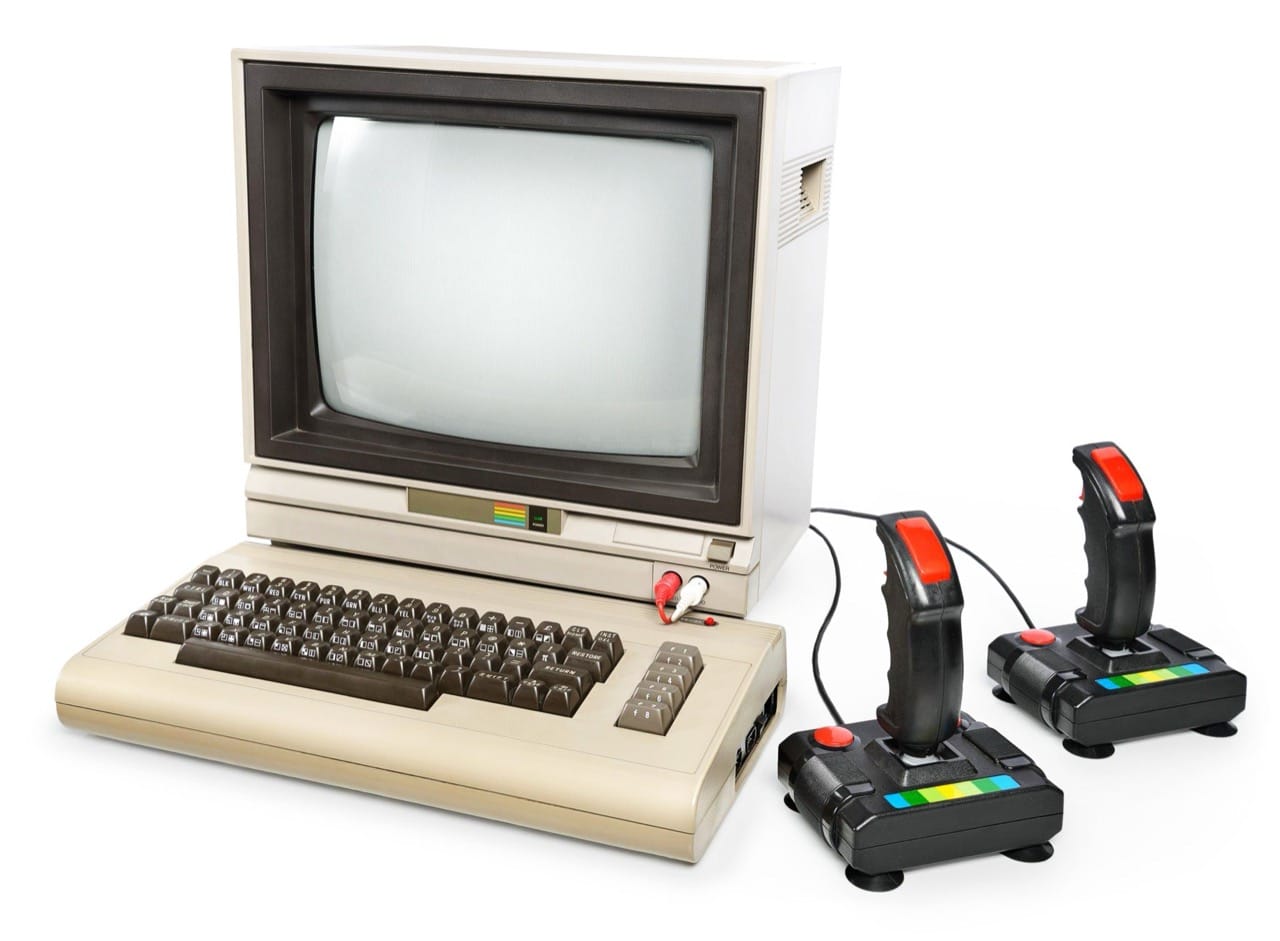
The 1990s were the decade when digital technology stopped feeling like a specialist hobby and started becoming the default setting for daily life. A big reason was that personal computers became easier to use and more standardized. Windows 95 did not just add a friendlier interface; it pushed the idea that a computer should be plug and play, with built in networking and support for a flood of new peripherals. Meanwhile, Apple worked through major transitions of its own, and Linux quietly grew from a student project into a serious operating system used by enthusiasts and, eventually, servers. Under the hood, silicon kept improving, delivering faster processors that made multimedia, games, and later the web feel practical rather than painful.
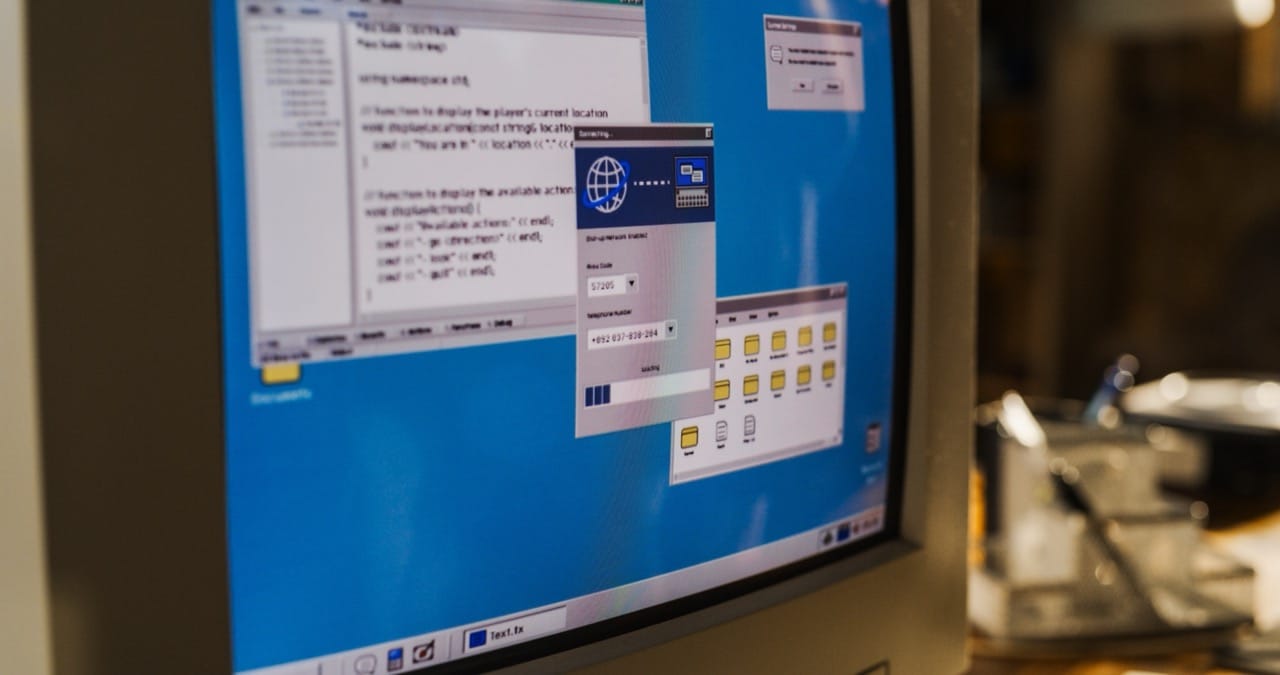
Nothing captured the era like the sound of dial up internet. Modems turned phone lines into a narrow digital pipeline, and every minute online could tie up the household telephone. Yet even with those limits, the web exploded. Early browsers such as Mosaic and Netscape Navigator made the internet visual and approachable, helping it spread beyond universities and tech circles. Microsoft’s Internet Explorer became part of the mainstream browser story as the so called browser wars accelerated new features and, sometimes, new headaches. The web itself relied on standards that were still being negotiated in real time: HTML for structure, HTTP for delivery, and URLs as the addressing system that made the whole thing navigable. Search engines evolved quickly too, from simple directories and keyword matching toward more sophisticated ranking, setting the stage for how we find information today.
Storage media tells another 90s story: the shift from fragile, low capacity floppies to shiny optical discs. CD ROMs made it possible to distribute large programs, encyclopedias, and games packed with audio and video. Installing software from a stack of discs became a common ritual. Later in the decade, recordable CDs let ordinary users create their own mixes and backups, while DVDs arrived with enough capacity to make full length movies and bigger applications convenient. At the same time, file compression formats and codecs grew important, because moving data across slow connections demanded clever ways to shrink it.
Gaming and graphics advanced alongside the broader PC boom. Dedicated 3D graphics cards helped transform games from flat sprites to immersive worlds, and consoles became cultural landmarks. The 90s also normalized multiplayer play, first through local networks and then online, even if lag and dropped connections were frequent. Many of the expectations we now have about patches, updates, and downloadable content trace back to this period when software started living beyond the box it shipped in.
Mobile phones underwent one of the most visible transformations. Early in the decade, many handsets were heavy and power hungry, but rapid miniaturization made phones pocketable and more affordable. Text messaging, initially a side feature, became a social phenomenon in places where it was priced and promoted well. Digital cellular standards improved call quality and capacity, and the idea of carrying a personal, always reachable device began to feel normal.
The 90s were not only about consumer tech. Science and space made headlines too. The Human Genome Project began the long, meticulous work of mapping our genetic blueprint, creating tools and data that would later reshape medicine and biology. Astronomers confirmed planets around other stars, shifting exoplanets from speculation to a new frontier. In orbit, international cooperation took a concrete form as the International Space Station started coming together, module by module, turning ambitious plans into hardware. Satellites also became more central to everyday life, supporting weather forecasting, communications, and the early growth of GPS as it moved toward broader civilian use.
What makes the 1990s so fascinating is how many modern habits were born in an awkward, noisy, transitional form. Web pages loaded line by line, software came on discs, and phones were still learning to be personal computers. Yet the standards, networks, and breakthroughs of that decade built the foundation for the always connected world that followed.