Wired in the Nineties Hidden Tech Trivia Next Level








Quiz Complete!
Behind the Dial-Up: The Quiet Engineering That Defined 1990s Tech

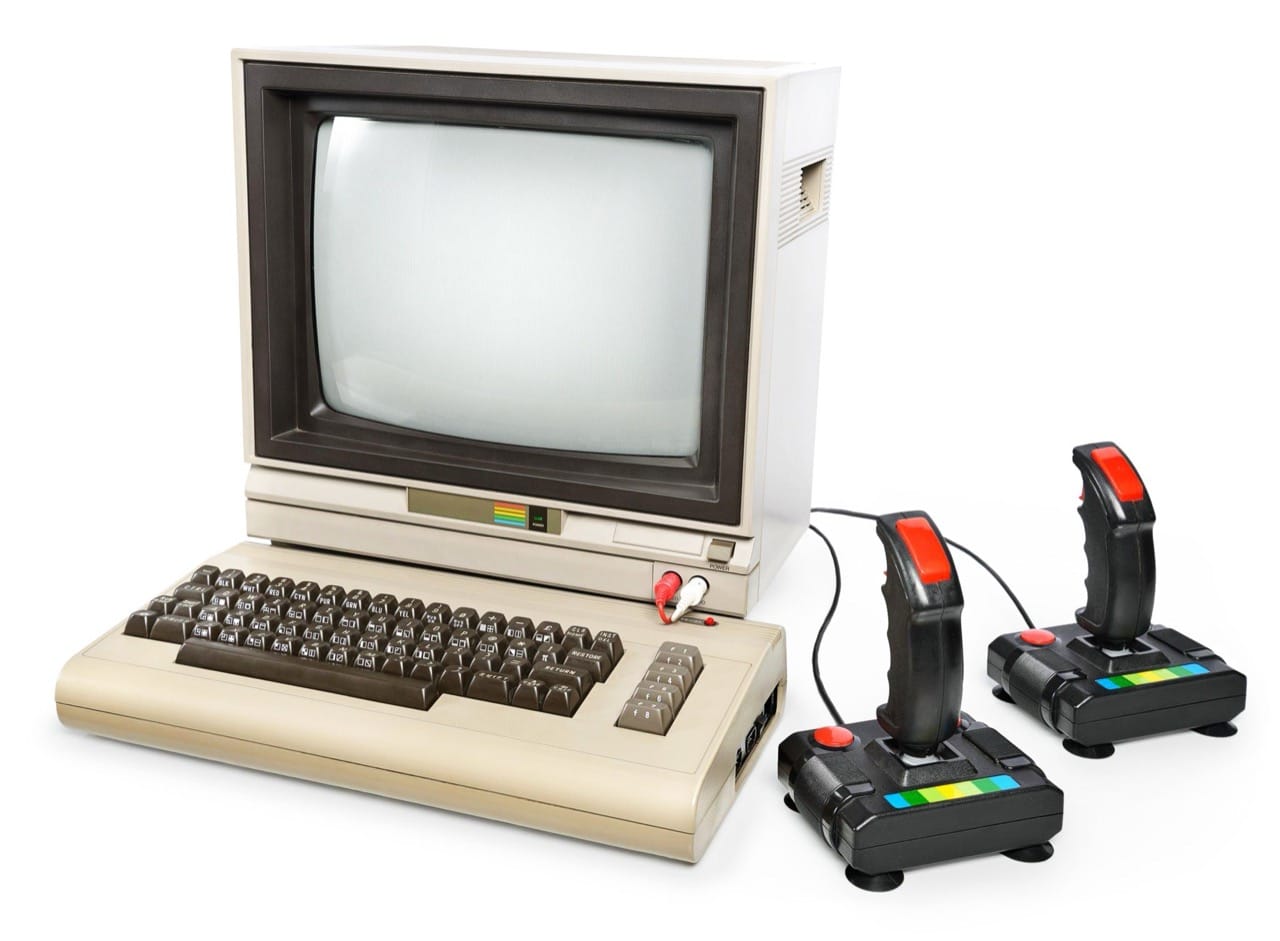
The 1990s are easy to remember for their loudest signals: the screech of a modem handshake, the clack of a mechanical mouse, and the satisfying snap of a laptop lid the size of a textbook. But the decade’s most important tech story often happened out of sight, in design compromises and clever standards that made limited hardware feel magical. Many of the everyday experiences people associate with the era were shaped less by flashy features and more by the constraints engineers worked around.
Take the early web. Pages looked simple not because designers lacked imagination, but because bandwidth was scarce and browsers were inconsistent. HTML was deliberately lightweight, and web authors had to assume slow connections and small screens. Images were compressed aggressively, and GIF became a star because it supported simple animation and used a palette-based approach that kept file sizes manageable. JPEG handled photos better, but it was heavier to decode on weaker CPUs. Even the way pages loaded line by line was a side effect of streaming data over slow links and browsers rendering as they received content, rather than waiting for everything to arrive.
Dial-up itself was a lesson in squeezing performance out of old infrastructure. Modems were negotiating how to pack digital bits into analog phone lines, adapting to noise and line quality. Each new generation of standards pushed closer to theoretical limits, and the famous sounds were not random: they were the audible byproduct of training sequences and handshakes that helped both ends agree on speeds and error correction. The result was a fragile but widespread on-ramp to the internet, built on copper designed for voice calls.
Storage and media had their own hidden breakthroughs. The jump from CDs to DVDs was not just about more space, but about smarter optical engineering. DVDs used a shorter-wavelength laser than CDs, tighter track spacing, and more efficient encoding to store full-length movies. Dual-layer discs added another trick: two data layers in one disc, with the laser focusing at different depths. Meanwhile, video compression standards such as MPEG-2 made DVDs practical by shrinking massive raw video into something that fit and could be decoded by consumer hardware. That decoding requirement influenced everything from standalone players to early PC graphics acceleration.
Gaming in the 1990s was also shaped by limits. Consoles and PCs balanced CPU speed, memory size, and storage, forcing developers to invent techniques that still influence design. Texture memory was precious, so artists learned to reuse assets creatively. Developers relied on tricks like mipmapping, clever culling, and fixed-function graphics pipelines that did specific tasks very fast. On PCs, the rise of 3D accelerator cards changed expectations overnight, but it also created compatibility headaches that pushed the industry toward standard APIs and drivers.
File formats and chip codenames tell another part of the story. The decade was full of formats that solved specific problems: WAV for uncompressed audio, MP3 for portable music, and early document formats that tried to preserve layout across printers and screens. Compression was often the unsung hero, trading CPU time for smaller downloads and less storage. Meanwhile, processors evolved rapidly, sometimes known internally by codenames that hinted at ambitious redesigns. Improvements like deeper pipelines, larger caches, and new instruction sets were aimed at making everyday tasks feel instant, even when software was becoming more demanding.
Even the “brick phone” era had quiet revolutions. Battery chemistry improved, networks expanded, and digital standards spread, enabling clearer calls and eventually text messaging to become a cultural habit. The 1990s were a decade of making do with constraints, and that pressure produced elegant solutions. The next time you remember a web page crawling onto the screen, it helps to know that behind that wait was a world of engineers turning limitations into a foundation for everything that came after.